
Alpine clover
Trifolium alpestre L.
Description
Sowing dates
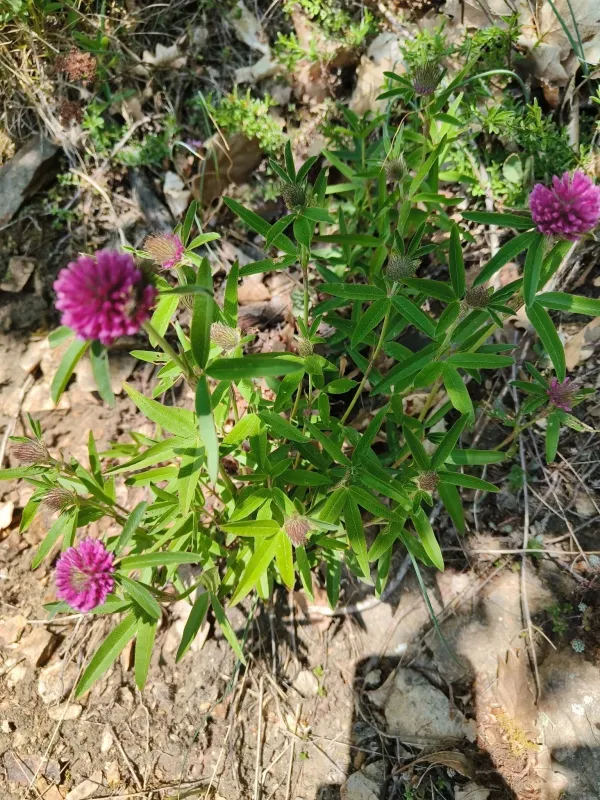
Alpine clover (Trifolium alpestre L.) is a robust perennial herbaceous plant belonging to the Fabaceae family. Renowned for its hardiness, it serves as a valuable forage crop capable of thriving in temperate and mountainous regions across Eurasia.
The optimal time for sowing is during early spring when soil temperatures reach 8–10 degrees Celsius. Planting at this time leverages seasonal soil moisture, which is essential for ensuring successful germination and uniform establishment of the seedlings.
For high-quality pastures, seeds should be sown at a rate of 10 to 15 kilograms per hectare using row-seeding techniques. Precise depth control, usually not exceeding 1–2 centimeters, is critical to prevent seedling exhaustion before emergence.
Proper seedbed preparation is vital for this species. Cultivating a fine, firm soil structure facilitates optimal seed-to-soil contact, which significantly improves the survival rate and promotes a more vigorous development of the young plants.
Post-sowing compaction using a roller is recommended to stabilize the soil surface and capillary action. This practice helps ensure consistent moisture supply to the developing seeds, resulting in a more uniform stand density across the entire field.
Growing requirements
Alpine clover grows best in well-drained loamy or sandy soils. It is sensitive to waterlogged conditions; therefore, low-lying areas that accumulate stagnant water should be avoided to prevent root rot and general decline in plant health.
As a sun-loving plant, it requires full exposure to sunlight to reach its maximum productivity. It exhibits notable drought tolerance once established, thanks to its deep-reaching root system that can access subsoil moisture during dry spells.
The ideal soil pH for Alpine clover is between 6.0 and 7.0. If the soil is excessively acidic, liming should be performed to foster a favorable environment for rhizobial bacteria, which are essential for biological nitrogen fixation in legumes.
Balanced fertilization is key to maintaining a productive stand. Regular applications of phosphorus and potassium support root development and increase the plant's winter hardiness, allowing it to survive harsher seasonal changes.
Native to mountain meadows and woodland edges, this species is highly adaptable to fluctuating temperature regimes. Its natural evolutionary adaptation to high-altitude environments makes it a resilient choice for regions with challenging weather.
Yield
The yield of Alpine clover is largely dictated by management practices and soil fertility. Under favorable conditions, it provides a reliable supply of high-protein biomass that is essential for balanced livestock nutrition throughout the grazing season.
Typically, the crop can support two to three cuts per season. It possesses a high regrowth potential (regrowth after mowing), which allows farmers to manage the grassland efficiently while maintaining a continuous supply of fodder.
The nutritional profile of Alpine clover is excellent, characterized by high protein and mineral content. This makes it a sought-after component for hay production or as a nutritious forage when integrated into permanent pastures with grasses.
To maximize yields, it is important to harvest at the correct phenological stage. Harvesting during the late budding phase offers the best balance between biomass quantity and the concentration of essential nutrients within the forage.
When well-maintained, an Alpine clover stand can remain productive for several years, often lasting up to 8 years. Regular light top-dressing and controlled grazing cycles are recommended to sustain its vitality and prevent the ingress of weeds.
Main diseases and pests
Alpine clover is subject to common legume diseases, such as powdery mildew and rust, particularly in seasons with high humidity or poor air circulation. Effective management involves maintaining appropriate plant spacing to ensure airflow.
Insect pests like the clover weevil and various species of aphids can cause significant damage. These pests may target both the foliage and the reproductive organs, which can reduce both forage biomass and seed set yields.
Integrated pest management strategies should be adopted to mitigate these threats. This includes rotating crops, monitoring fields for early signs of damage, and using selective treatments that minimize impact on beneficial pollinators, such as bees.
Overgrazing is a major threat to the long-term survival of the crop. Excessive animal pressure can damage the root crowns and deplete the plant's energy reserves, making it more susceptible to disease and competition from invasive species.
Promoting biodiversity within the pasture can naturally reduce the incidence of major outbreaks. By maintaining a healthy balance of different plant species, the severity of specific disease or pest cycles can often be naturally suppressed.
Harvesting
The primary harvest for hay should occur during the early flowering phase. This timing ensures that the forage contains the optimal concentration of proteins and minerals while avoiding the drop in quality associated with seed set.
Mowing should be performed using machines equipped with conditioners to crush the stems. This speeds up the drying process significantly, which is critical for preserving the color, aroma, and nutritional density of the hay.
The forage must be turned frequently during the wilting process to achieve a final moisture content of 15-17%. Storage should be in dry, well-ventilated areas to prevent mold development and loss of material quality over the winter months.
Alternatively, the crop can be ensiled. For haylage, the material should be wilted to 45-50% moisture and then packed tightly into silos. This anaerobic storage method preserves the forage's high feed value for extended periods.
For seed production, harvest should commence when the pods have turned a consistent brown color. Careful harvesting is required to prevent shattering losses, ensuring that the maximum amount of mature seeds are captured.