
Pale yellow clover
Trifolium ochroleucum Huds.
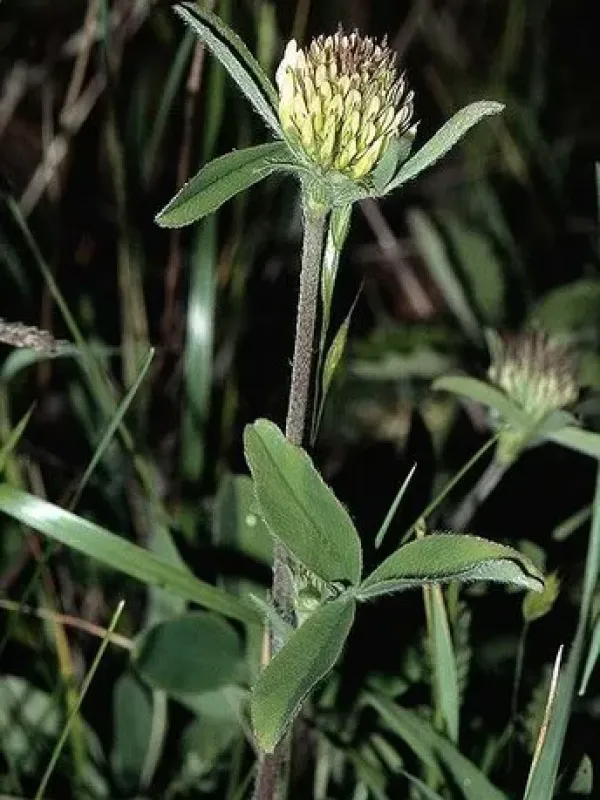
Description
Sowing dates
Pale yellow clover is a perennial herb that thrives when sown in early spring as soil temperatures begin to rise. Proper field preparation is essential to ensure that the small seeds are placed at the correct depth for optimal germination.
The seeds should be sown at a depth of 1 to 2 centimeters. Shallow planting is crucial because the seeds lack the energy reserves to emerge from deeper soil layers. A drill seeder is recommended for achieving uniform row spacing.
Seed scarification is often recommended to break the physical dormancy of the hard seed coat, thereby improving overall germination rates. This simple pre-treatment can significantly increase field establishment success.
After seeding, firming the soil with a roller is a best practice to ensure good seed-to-soil contact. This helps maintain soil moisture around the seed, preventing desiccation during dry spring spells.
Weed management during the initial growth stages is vital for the crop's establishment. Since the plant starts slowly, keeping the area free from aggressive weeds allows it to develop a robust root system.
Growing requirements
This species is highly photophilous and performs best in full sun. While it can tolerate partial shade, productivity is significantly higher in open, well-lit environments where the plant can maximize photosynthesis.
It displays a wide range of soil adaptability, preferring calcareous or dry loamy soils. It avoids waterlogged conditions, making it an excellent candidate for well-drained slopes or elevated terrain that might be too dry for other legumes.
The plant is remarkably drought-tolerant, largely due to its deep taproot system. This makes it a reliable component in pastures in regions with irregular rainfall patterns, as it remains productive when shallower grasses wilt.
Nutrient management focuses on phosphorus and potassium application to stimulate root growth and plant vigor. Nitrogen fertilization is rarely necessary, as the clover engages in nitrogen fixation via symbiotic bacteria.
The ideal temperature for active growth ranges between 15 and 22 degrees Celsius. Its physiological plasticity allows it to withstand both the heat of late summer and the cooler temperatures of the spring season.
Yield
The yield potential of pale yellow clover is closely tied to proper site selection and management practices. When maintained as a perennial forage crop, it provides multiple cuts of high-quality biomass throughout the growing season.
Livestock value this clover for its high protein content and digestibility, particularly when harvested at the early bloom stage. It is suitable for hay production and can also serve as a high-protein grazing resource.
By incorporating this species into a crop rotation, farmers can enhance soil health. The plant improves soil structure and contributes a significant amount of nitrogen to the soil profile, benefiting subsequent cereal crops.
Management of the grazing intensity is crucial to ensure longevity. Overgrazing can deplete root reserves and weaken the stand, whereas rotational grazing allows the plant time to recover and regrow successfully.
Economically, this species is prized for its persistence. Once established, it can provide stable forage production for several years, reducing the need for frequent reseeding and the associated costs.
Main diseases and pests
Powdery mildew is the most prevalent fungal disease affecting the foliage, particularly in humid or stagnant air conditions. Strategic cutting helps to reduce disease pressure by removing infected biomass from the field.
Root-feeding pests, such as clover root weevils, pose a significant threat as they can damage the primary taproot and lead to stunted growth or plant mortality. Regular field scouting is necessary to identify early symptoms.
Nematodes are another concern that can cause plant malformation and decreased vigor. Using certified disease-free seeds and practicing consistent crop rotation are effective methods for mitigating these biological risks.
Aphids may cause outbreaks during warm, dry weather, sucking juices from tender stems and leaves. If infestation levels threaten economic yields, farmers should consider targeted biological control or selective insecticides.
- Powdery mildew
- Clover root weevil
- Clover nematodes
- Aphids
- Root rot
Harvesting
For optimal hay quality, harvesting should occur during the full bloom stage. This period provides the ideal balance between biomass volume and nutritional quality before the plant becomes overly fibrous.
Rapid curing of the forage is essential to preserve the leaf matter, which is the most nutrient-dense part of the plant. Using modern hay conditioners can speed up the drying process and prevent losses during curing.
If harvesting for seed production, the crop should be gathered once the seed heads have turned brown and reached maturity. Proper combine settings are essential to minimize mechanical seed damage during the threshing process.
Storage facilities must be dry and well-ventilated to prevent heating and fungal growth. Maintaining moisture levels below a certain threshold ensures that the nutrient value remains high throughout the winter months.
Post-harvest management can include a light application of fertilizer to stimulate autumn regrowth, which helps provide soil cover and protects the land against erosion during the colder months.