
Persian clover
Trifolium resupinatum L.
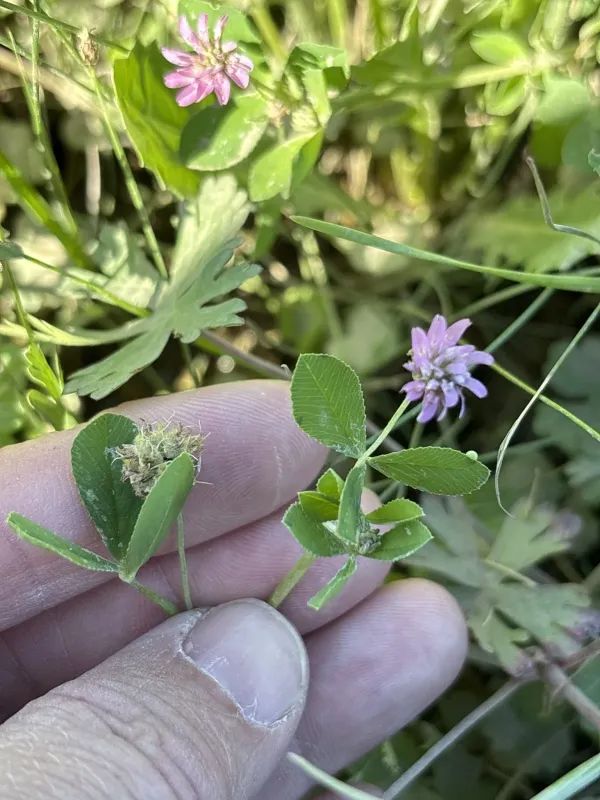
Description
Sowing dates
Persian clover (Trifolium resupinatum L.) is a valuable annual legume widely recognized for its excellent forage quality. Sowing is typically performed in early spring when the soil temperature consistently reaches 5–8 degrees Celsius.
Due to the small size of the seeds, they should be sown at a shallow depth of 1–2 centimeters. Proper seedbed preparation is essential to ensure uniform germination and establishment.
The seeding rate generally ranges from 8 to 12 kilograms per hectare, depending on the chosen method of sowing and local climatic conditions of the region.
After seeding, rolling the soil is highly recommended to improve seed-to-soil contact, which facilitates moisture absorption and prevents the seeds from drying out.
In regions with mild winters, autumn sowing can also be practiced to take advantage of soil moisture and ensure an earlier start to the spring growing season.
Growing requirements
Persian clover is well-known for its high tolerance to waterlogged conditions, making it an ideal choice for poorly drained or periodically flooded soils.
The crop thrives in fertile, loamy, or clay soils and shows significantly higher salt tolerance compared to many other common clover species, which expands its geographic range.
Optimal growth occurs at temperatures between 18 and 22 degrees Celsius. It requires sufficient sunlight for vigorous development and proper seed maturation.
Soil pH should ideally be neutral to slightly alkaline to support effective nitrogen fixation by symbiotic bacteria located in the root nodules.
Fertilization with phosphorus and potassium is crucial to maximize productivity and improve the nutritional value of the harvested biomass.
Yield
The yield of green matter for Persian clover can reach 30–40 tons per hectare, provided that irrigation and proper fertilization practices are maintained throughout the season.
Hay production yields typically range from 6 to 9 tons per hectare, making it a highly profitable crop for livestock producers focusing on quality silage or hay.
The nutritional value is defined by high protein content and digestibility, which are essential for maintaining healthy herds of cattle and sheep.
Varieties selected for high regrowth potential can provide multiple cuts, significantly increasing the total seasonal output from a single sowing.
Efficient harvesting at the peak of the flowering stage ensures the best balance between biomass volume and nutritional quality for animal feed.
Main diseases and pests
Fungal diseases, such as anthracnose and various types of rust, are common problems that tend to spread rapidly during humid and warm weather conditions.
Root rot represents a significant risk, particularly in heavy soils with poor aeration, leading to reduced plant density and potentially crop failure in specific spots.
Insect pests, including clover root curculios and aphids, can damage the foliage and roots, hindering the plant's ability to fix nitrogen and store nutrients.
Integrated pest management strategies, such as crop rotation and the use of resistant cultivars, are the most effective ways to mitigate these biological threats.
Timely monitoring and the application of appropriate biological or chemical treatments can save the crop from extensive damage during high infestation years.