
Harefoot clover
Trifolium arvense L.
Description
Sowing dates
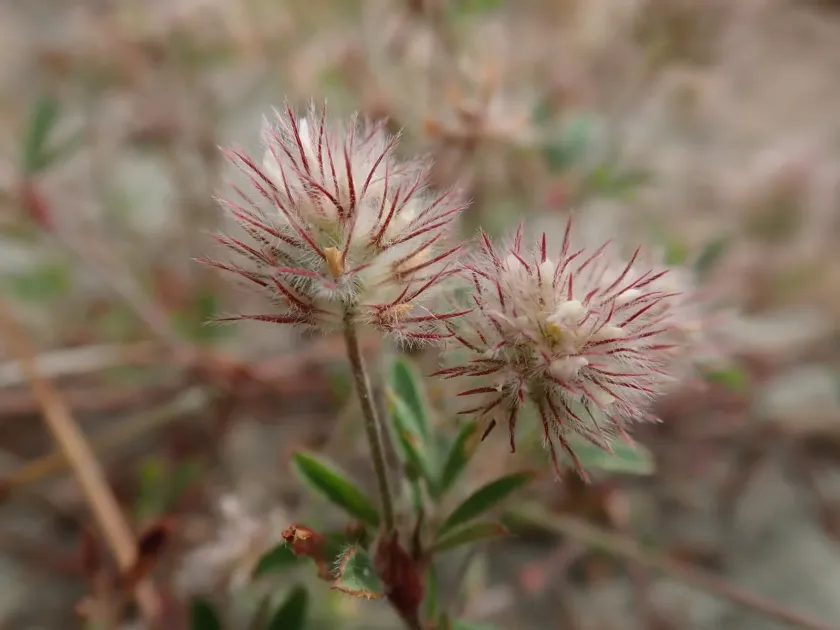
Harefoot clover (Trifolium arvense L.) is a member of the Fabaceae family, widely known for its fuzzy, cylindrical inflorescences and high adaptability to marginal lands.
Sowing of this annual plant is typically carried out in early spring. It prefers temperate climates and demonstrates good germination even in fluctuating temperatures characteristic of the transition season.
The seeds are very small and must be sown at a shallow depth, ideally not exceeding 1.5 centimeters. Proper seedbed preparation is essential to ensure consistent emergence across the field.
When used as a cover crop or for soil stabilization, the sowing rate should be adjusted based on the specific objectives, typically ranging from 5 to 8 kilograms per hectare.
After seeding, light rolling is recommended to secure the seeds in the soil matrix, which is particularly beneficial in sandy areas prone to wind erosion.
Growing requirements
This species is well-known for its ability to thrive on poor, sandy, and infertile soils where more demanding crops fail to establish a vegetative cover.
Harefoot clover possesses excellent drought tolerance due to its physiological mechanisms that allow it to remain productive during prolonged dry spells.
The plant requires full sun exposure to reach its maximum potential. Its growth habit is stunted in shaded areas, making it unsuitable for intercropping with tall, dense canopy species.
It is not highly demanding regarding soil nutrients, yet it benefits from adequate levels of phosphorus and potassium, which support root system development.
The soil should have good drainage properties, as the plant is sensitive to waterlogging and poor aeration in the root zone during the early growth stages.
Main diseases and pests
The primary diseases affecting this crop include powdery mildew and various leaf spot pathogens that thrive in environments with poor air circulation.
Pest pressure is mainly attributed to weevils that attack the roots and foliage, potentially reducing the overall nitrogen-fixing capacity of the crop.
Integrated pest management strategies are recommended, focusing on the use of clean seed stock and maintaining optimal soil health to ensure plant vigor.
In cases of severe infestations, targeted application of biological control agents can mitigate the damage without disrupting the local ecosystem balance.
Routine monitoring of leaf tissue is important to identify signs of stress early, allowing for timely intervention if fungal or insect populations cross the economic threshold.