
Egyptian clover
Trifolium alexandrinum L.
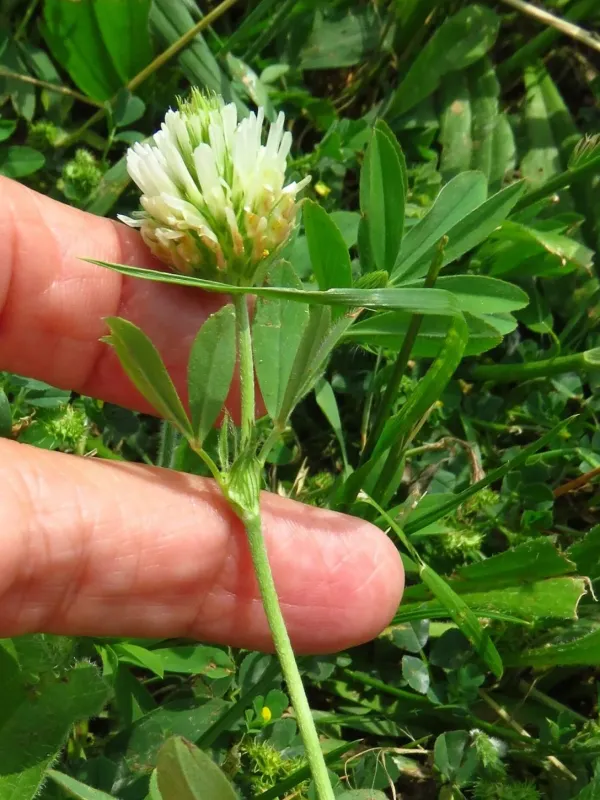
Description
Sowing dates
Egyptian clover, widely known as Berseem, is an annual legume valued for its high forage quality and rapid growth cycle. It is predominantly cultivated in regions with mild winters or as a summer annual.
The optimal planting time varies by region, but generally, it requires soil temperatures to reach at least 10–12°C to ensure uniform germination. Early spring sowing is standard in most temperate climates.
Seeds should be drilled at a shallow depth of approximately 1.5 to 3 cm. Proper soil contact is vital, so using a press wheel or light roller after seeding significantly improves emergence rates.
Seeding rates typically range from 20 to 30 kg per hectare, depending on the specific soil conditions and intended use (grazing or hay production).
The crop establishes quickly, effectively shading the soil surface and suppressing many broadleaf weeds without the need for intensive herbicide applications.
Growing requirements
Berseem thrives in a variety of soil types, including heavy clays and loams. Notably, it exhibits a high tolerance for salinity, making it an excellent choice for improving marginal lands.
Water management is the most critical factor in Berseem cultivation. It is a moisture-loving crop and requires regular irrigation to maintain high biomass production throughout the growing season.
While it prefers warm conditions with an ideal temperature range of 20–25°C, it is moderately frost-tolerant but can be damaged by prolonged, severe freezing temperatures.
Full sun exposure is required for optimal photosynthetic activity. Plants grown in shaded areas tend to exhibit weak, lanky growth and reduced nutrient content.
Adequate levels of phosphorus and potassium are necessary to support the nitrogen-fixing bacteria in the root nodules, which in turn enhances the plant's overall protein production.
Yield
Under favorable management and consistent irrigation, Egyptian clover can yield multiple cuts per season, often ranging from 3 to 5 harvests depending on the local climate.
Annual yields of green forage can reach 40–80 tonnes per hectare. With proper fertilization and optimal cutting schedules, farmers can maintain consistent fodder supply.
Each cutting encourages vigorous regrowth from the crown. Applying water and light nutrient top-dressing immediately after harvest helps sustain the crop's productivity for the next cycle.
Harvesting at the early bud stage ensures the best balance between biomass quantity and protein quality, preventing the stems from becoming too lignified.
Beyond its role as a forage crop, Berseem significantly improves soil structure and fertility through nitrogen fixation, benefiting subsequent crops in the rotation.
Main diseases and pests
Fungal diseases, such as root rot and powdery mildew, are the most common threats, particularly in fields with poor drainage or excessive humidity.
Pests like clover weevils and aphids can cause significant damage to leaves and stems, reducing the plant's vigor and photosynthetic capacity if left unchecked.
Crop rotation is the primary defense strategy. Avoiding planting Egyptian clover on the same land more than once every three years helps break the cycle of host-specific pathogens.
Integrated Pest Management (IPM) practices should be employed, involving regular field scouting and the judicious use of pesticides only when economic thresholds are surpassed.
Using certified, high-quality seed is an essential preventative measure to avoid the introduction of soil-borne diseases and weed seeds into the production area.
Harvesting
For fresh forage, the crop is typically harvested during the early budding stage, as this is when the plant's nutritional profile, particularly crude protein, is at its peak.
Hay production requires careful drying management. Quick curing is necessary to retain the nutrient-dense leaves and prevent the loss of essential vitamins and minerals.
The use of mower-conditioners is highly recommended to accelerate the drying process, ensuring the final hay product retains its green color and high digestibility.
If the intention is seed production, the final cut is omitted. The plants are left in the field until the seed heads turn brown and are sufficiently dry for threshing.
Mechanical harvesting must be adjusted to a cutting height of about 5–7 cm, which is low enough for efficiency but high enough to leave the crown intact for future growth.