
Wood meadow-grass
Poa nemoralis L.
Description
Growing requirements
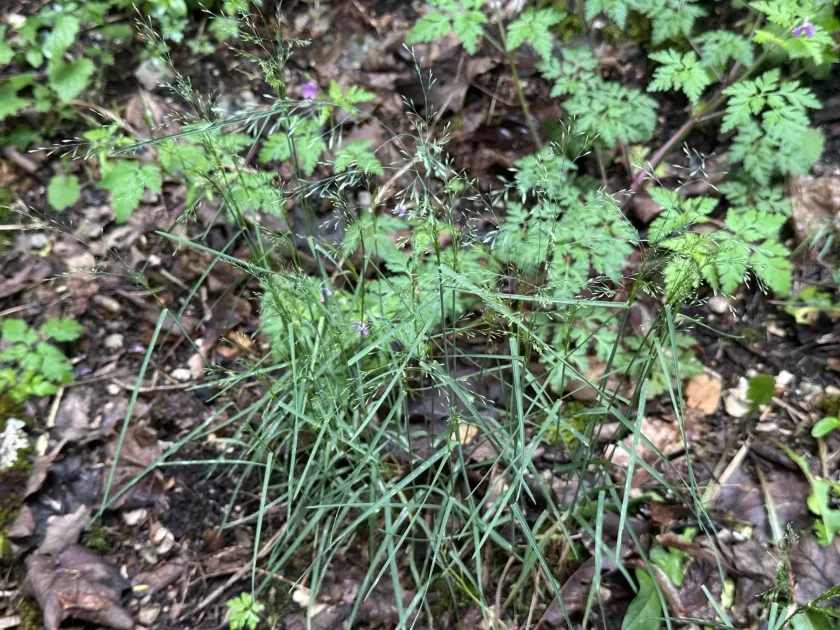
Wood meadow-grass (Poa nemoralis L.) is a perennial grass species belonging to the Poaceae family. It is a native inhabitant of woodland edges and deciduous forests, which explains its unique adaptation to shade-tolerant conditions.
The plant thrives in fertile, well-drained soils and is particularly known for its ability to grow in habitats where other grasses would struggle due to insufficient direct sunlight.
Climate requirements include moderate moisture levels and good resistance to cold temperatures. This hardiness ensures that the plant remains a stable component of the vegetation even in challenging continental climates.
Cultivation practices involve selecting appropriate sites that mirror its natural forest environment. It is an excellent choice for reseeding forest clearings and establishing ground cover under tree canopies in parklands.
From an agricultural standpoint, wood meadow-grass is valued for its early spring regrowth. It produces high-quality forage that is highly palatable to livestock, making it a valuable addition to mixed-pasture systems.
Main diseases and pests
The primary pathogenic threat to wood meadow-grass is powdery mildew, which often develops when the canopy becomes too dense, restricting necessary airflow.
Rust fungi can also pose a risk during periods of high humidity and moderate temperatures, potentially reducing the nutritional density of the grass.
Insect pests such as cereal aphids may colonize the plants, leading to stunted growth and damage to the leaf tissue during the critical vegetative phase.
Management strategies should focus on maintaining a healthy, non-overcrowded stand to ensure that the environment remains unfavorable for fungal spore germination.
Regular inspection and moderate fertilization are essential to keep the stand vigorous and resistant to both biological stressors and abiotic environmental pressures.