
Texas bluegrass
Poa arachnifera Torr.
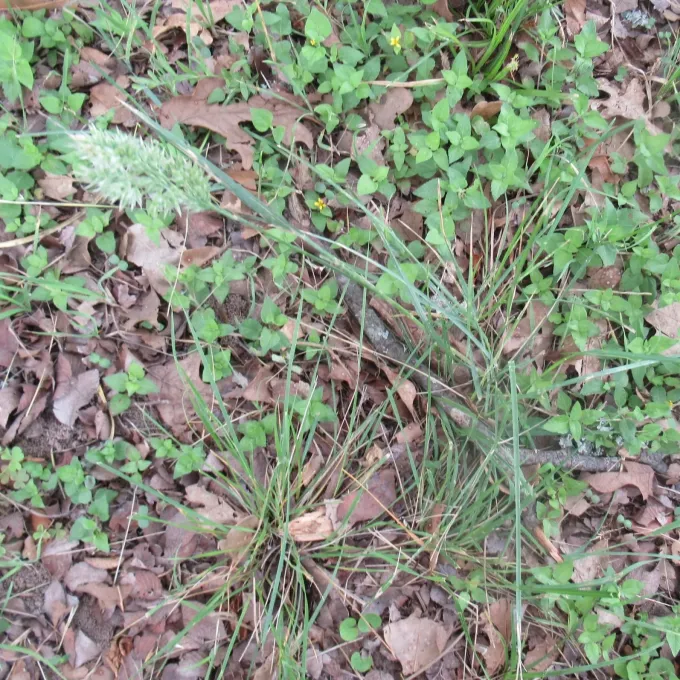
Description
Growing requirements
Texas bluegrass (Poa arachnifera Torr.) is a perennial grass belonging to the Poaceae family, native to the southern United States. It is a dioecious species, meaning it bears male and female flowers on separate plants, which is an interesting biological characteristic for a forage grass.
This species is highly valued for its exceptional drought tolerance and its ability to thrive in poor, sandy, or rocky soils. It establishes a robust root system that anchors the plant firmly, making it an excellent candidate for soil stabilization and erosion control projects.
The climate requirements for Texas bluegrass are adapted to regions with hot summers and mild winters. It is known for its ability to go dormant during extreme heat and resume growth rapidly when moisture becomes available, which is a key survival mechanism in arid environments.
Soil management for this crop requires minimal intervention. It performs best in well-drained conditions and is highly resistant to common soil-borne pathogens. It prefers neutral to slightly alkaline soil but can tolerate a variety of textures including loose, sandy substrates.
When sowing, it is essential to consider the specialized structure of the seeds, which are covered in cobweb-like hairs. These hairs can cause the seeds to clump together, requiring specialized seed drill equipment or dilution with an inert carrier to ensure uniform distribution.
Yield
Texas bluegrass is primarily utilized as a high-quality forage crop for cattle and sheep. Its early spring growth provides vital nutrients when other perennial grasses are still in their dormant phase, filling a critical gap in the seasonal grazing schedule.
The forage quality is generally high, with soft, palatable foliage that is easily digestible for livestock. Unlike some other grasses that become coarse as they mature, Texas bluegrass retains a relatively high level of nutritional value throughout the growing season.
The yield of green biomass is sufficient to support intensive grazing regimes. By implementing a rotational grazing system, producers can maintain the stand's productivity for many years, as the species is known for its longevity and persistence under heavy grazing pressure.
Beyond its value as forage, Texas bluegrass is a significant component in range management. It competes effectively with invasive species, helping to restore native plant communities in overgrazed pastures or abandoned farmlands that require rehabilitation.
The species also holds potential for breeding programs aimed at developing heat-tolerant varieties of cool-season grasses. Its genetic diversity offers a valuable resource for agricultural scientists looking to improve the resilience of grasslands in the face of changing climates.
Main diseases and pests
Texas bluegrass is relatively hardy and rarely suffers from severe pest infestations. However, in overly humid conditions or poor drainage, the plant may become susceptible to fungal infections such as rust or leaf spot disease, which can reduce biomass yield.
Grasshoppers and other common rangeland insects can occasionally cause localized damage to the foliage during peak summer months. These threats are usually manageable through standard integrated pest management (IPM) practices without the need for extensive chemical spraying.
Weed competition is generally only a concern during the initial establishment phase. Once the stand is fully matured and the dense turf is formed, the grass effectively crowds out most competitive weeds without further human intervention.
Overgrazing remains the primary threat to the long-term health of the pasture. If cattle are allowed to graze the plant down to the soil surface repeatedly, the energy reserves in the roots may be depleted, leading to a thinning of the stand.
Soil compaction caused by excessive trampling in wet conditions can also stress the plants. Maintaining optimal stocking rates is therefore crucial to ensure the longevity of the pasture and prevent the encroachment of opportunistic, less desirable weed species.