
Poa supina
Poa supina Schrad.
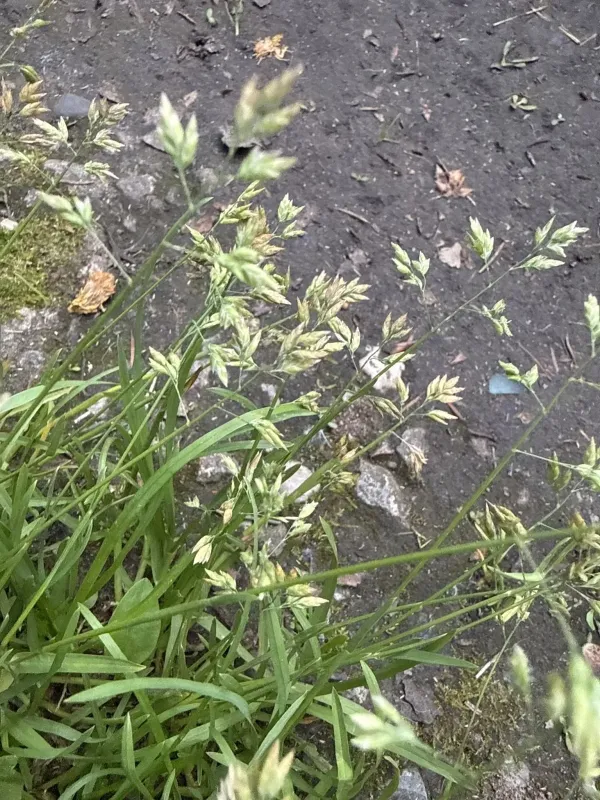
Description
Sowing dates
Poa supina, commonly known as supina bluegrass, is a perennial grass belonging to the Poaceae family, recognized for its aggressive stoloniferous growth habit.
Sowing should ideally take place during cool, moist periods of the year to ensure successful germination and early development of the root system.
The seeds are small and require careful sowing techniques, preferably using a drop spreader followed by light rolling to maximize soil-to-seed contact.
Due to its rapid vegetative spread, it is often used for over-seeding damaged turf areas in high-traffic sporting facilities.
Establishing this crop requires a weed-free seedbed to allow the seedlings to establish without competition from fast-growing annual weeds.
Growing requirements
This species is highly valued in professional landscaping for its exceptional shade tolerance, making it superior to many other cool-season turf grasses.
It thrives in moist environments and demands consistent irrigation, as it lacks drought resistance and will decline rapidly under water stress.
Nutrient requirements are high; regular fertilization with nitrogen is necessary to maintain its dark green color and dense growth under frequent mowing.
The plant prefers fertile, well-draining soils but can tolerate wetter conditions better than most other species in its genus.
Management practices must include periodic aeration to alleviate soil compaction and promote oxygen exchange in the root zone for optimal performance.
Main diseases and pests
The primary health threats to Poa supina include fungal diseases such as dollar spot and leaf rust, which can proliferate in warm, humid conditions.
Insects like grubs can be highly destructive, as they feed on the extensive root systems, often leading to large dead patches in the turf.
Good cultural practices, such as proper mowing height and responsible irrigation scheduling, are the first line of defense against these biological threats.
Monitoring for signs of pest activity or disease development allows for timely intervention using integrated pest management strategies.
- Use of disease-resistant turf cultivars
- Strategic application of fungicide treatments
- Regular soil testing to optimize nutrient levels
Harvesting
While not a traditional forage crop, harvesting in the context of this species refers to the production and collection of high-quality sod for turf industry.
Turf production fields require precise mowing heights and rolling to encourage a dense, interlocking root system before the sod is cut and transported.
Modern harvesting equipment is used to ensure uniform thickness of the sod layer, which is essential for successful transplanting and survival.
The timing of harvest is critical; sod should be harvested when the root system is well-developed but before the plants become overly mature.
After harvest, the field is often prepared for rapid re-growth or rotation to maintain soil health and prevent the buildup of soil-borne pathogens.