
Sandberg bluegrass
Poa secunda J. Presl
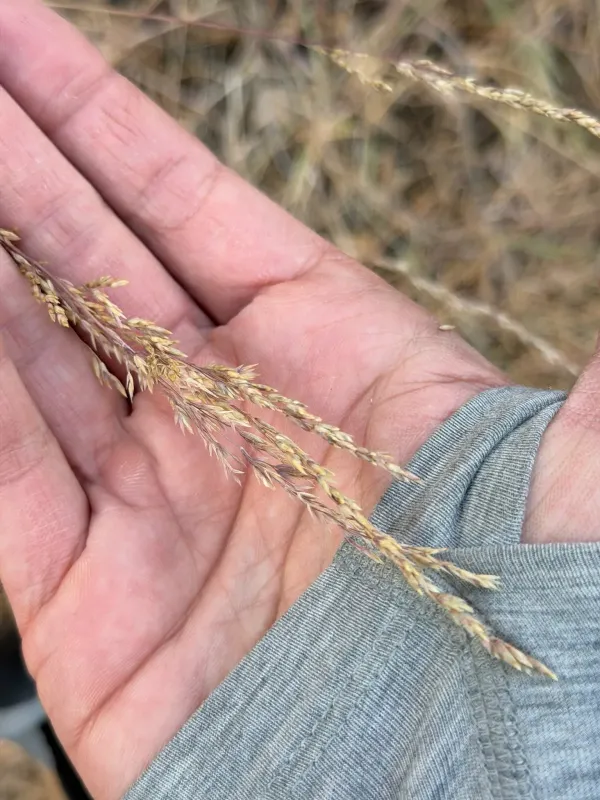
Description
Sowing dates
The optimal time for seeding Sandberg bluegrass is in the late autumn or very early spring. Successful establishment requires consistent moisture during the initial germination phase, despite the plant's later tolerance for drought.
Seedbed preparation is crucial; the soil should be fine and firm to ensure good seed-to-soil contact. Because the seeds are tiny, they should be planted at a shallow depth, typically not exceeding 1 centimeter.
When sowing, it is often recommended to use a drill seeder or to broadcast the seeds followed by light harrowing or rolling. Ensuring that the seeds are not buried too deeply is the key factor in achieving high emergence rates.
During the establishment year, grazing should be strictly avoided. The young plants need time to develop a robust root system and form sufficient vegetative tillers to withstand future grazing pressure.
Depending on the goals (e.g., pasture improvement or erosion control), Sandberg bluegrass can be sown alone or in mixtures with other native grasses and forbs to improve overall biodiversity and pasture resilience.
Growing requirements
Sandberg bluegrass (Poa secunda) is a perennial grass species belonging to the Poaceae family. Native to western North America, it is highly valued for its ability to thrive in arid and semi-arid environments where other grasses struggle to survive.
This grass species is known for its remarkable drought tolerance. It excels in well-drained, sandy, or rocky soils and is frequently found in open grasslands, meadows, and hillsides across its native range.
Botanically, Sandberg bluegrass is a tufted, bunch-forming grass. It features narrow leaves and a deep, fibrous root system that provides excellent erosion control, making it an ideal candidate for soil stabilization projects in degraded areas.
The climate requirements include a preference for cool-season growth. The plant starts its vegetative cycle very early in the spring, often greening up before other species, which provides a critical source of early-season forage for grazing livestock.
Its primary agricultural use is as a forage plant. Due to its early growth habit, it is particularly useful for livestock producers needing high-quality feed in the early spring months, before summer heat induces dormancy in the plant.
Main diseases and pests
Like many perennial grasses, Sandberg bluegrass is susceptible to common rust and powdery mildew. These fungal diseases typically emerge during periods of high humidity and can decrease the overall foliage quality.
Insect pests such as grasshoppers and aphids can cause localized damage to the stands. If left uncontrolled during severe infestations, these pests can significantly impact the vegetative regrowth and seed production of the plant.
Effective management strategies to prevent disease outbreaks involve proper pasture rotation and avoiding overgrazing. Maintaining a healthy stand through appropriate resting periods helps the grass outcompete weeds and resist infection.
Weed competition is a significant concern during the establishment phase. Using pre-emergent control measures or choosing sites with low weed pressure is essential for the long-term success of the Sandberg bluegrass stand.
Monitoring the fields for signs of stress or pest presence is highly recommended. By proactively managing the grazing intensity and soil nutrients, producers can keep the stand healthy and mitigate the severity of potential threats.