
Weak spear grass
Poa imbecilla Spreng.
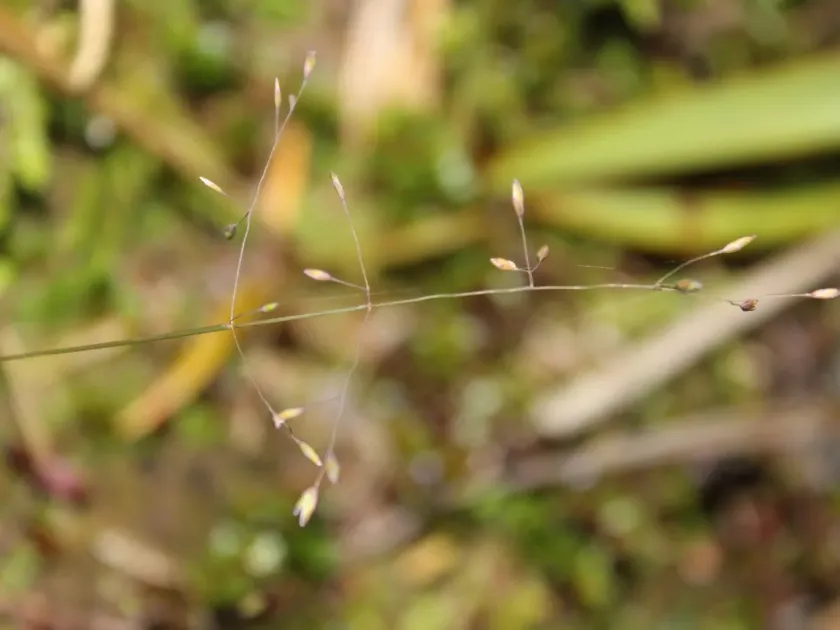
Description
Growing requirements
Weak spear grass (Poa imbecilla) is a perennial grass species belonging to the Poaceae family. The plant is known for its delicate habit, featuring thin stems and soft, narrow leaves that form loose tufts in suitable environmental conditions.
The plant originates primarily from New Zealand, where it is a native component of grasslands, scrublands, and forest margins. Its natural distribution demonstrates an adaptation to temperate conditions where humidity remains relatively stable.
Regarding soil requirements, this species thrives in well-drained, fertile substrates. It is particularly sensitive to soil compaction and waterlogging, making it unsuitable for heavy, clay-rich lands that lack proper subsurface drainage.
Climate preferences for Poa imbecilla involve moderate temperatures throughout the growing season. The plant typically avoids direct exposure to high-heat conditions and thrives best in environments that provide consistent moisture during its reproductive phase.
The agricultural usage of this species is largely limited to natural pasture management. It serves as a beneficial forage component that contributes to the overall biodiversity and nutritional quality of grazing lands for diverse herbivorous livestock.
Main diseases and pests
The primary threats to Poa imbecilla are fungal pathogens common to many meadow grasses, such as rusts and leaf spots. These infections proliferate during periods of prolonged humidity and poor air circulation within the canopy.
Insects like aphids and grass-dwelling mites pose a consistent threat to the plant's health. These pests feed on the succulent tissues, leading to reduced vigour and potentially stunted growth, which can impact the seasonal yield of the forage.
To mitigate these threats, proper grazing management is essential. Avoiding overgrazing ensures that the plant retains enough leaf area for photosynthesis, which strengthens its natural resistance to environmental stressors and minor pest attacks.
Monitoring for signs of early infection is a crucial part of pasture maintenance. Implementing a rotational grazing system can disrupt the life cycles of many local pests, reducing the need for chemical intervention in grassland ecosystems.
Effective weed control is also necessary to reduce competition. By preventing invasive, hardier species from encroaching on the weak spear grass patches, the overall resilience of the pasture against diseases and pests is significantly increased.