
Pappophorum vaginatum
Pappophorum vaginatum Buckley
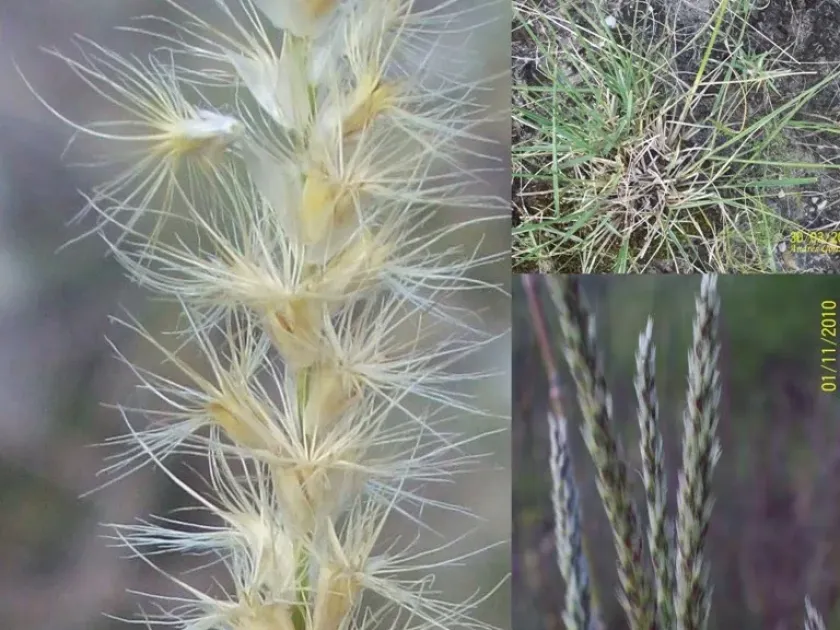
Description
Sowing dates
Pappophorum vaginatum is a warm-season perennial grass that requires optimal soil temperatures for successful germination, typically during the spring or early summer months.
In arid environments, sowing is synchronized with the onset of seasonal rains to ensure the young seedlings receive enough moisture to establish their root systems.
Successful establishment depends on shallow seeding depth, as the small seeds possess limited energy reserves and need light exposure to break dormancy.
Precision planting techniques or rangeland drilling are often used to introduce this species into existing landscapes without causing excessive soil disturbance.
Proper density of sowing is crucial to allow the grass to form a resilient, self-sustaining stand that can handle moderate grazing pressure over time.
Growing requirements
Belonging to the Poaceae family, this species is highly adapted to semi-arid regions and thrives in environments where other grass species would fail.
It prefers well-drained, sandy, or gravelly soil types and exhibits remarkable tolerance to alkaline and saline soil conditions commonly found in its range.
Pappophorum vaginatum is an obligate sun-loving plant, requiring full exposure to solar radiation to maintain its physiological processes and biomass production.
The grass is exceptionally drought-hardy, utilizing deep root structures to access stored soil moisture during periods of prolonged precipitation deficit.
Nutrient requirements are generally low, as the plant is evolved to extract sufficient minerals from infertile, marginal lands that are typical of its natural habitat.
Yield
The biomass yield of this crop is balanced by its long-term reliability rather than seasonal maximums, making it a staple for sustainable livestock grazing.
When managed under rotational grazing systems, the plant produces consistent forage, allowing for steady weight gain in grazing ruminants across dry seasons.
Seed production yields are highly variable and depend largely on weather conditions during the reproductive phase, particularly the timing of heat and moisture.
Optimal productivity is achieved when the grazing frequency allows the plants to replenish carbohydrate reserves in their roots after each harvest.
Yield stability is bolstered by the species' high regrowth rate, which allows it to recover rapidly following periods of intense environmental stress.
Main diseases and pests
Primary threats involve opportunistic pathogens that may arise during uncharacteristically wet years, potentially impacting the health of the leaf canopy.
Insect pests such as grass-feeding aphids or specific coleopterans can cause damage to the vegetative tissue, particularly when the stand is stressed.
Invasive species and opportunistic weeds pose a significant risk to young stands, where competition for space and resources can lead to crop failure.
- Fungal rust infections during high humidity.
- Soil-dwelling larvae damaging early root development.
- Competition from faster-growing, invasive grass species.
Integrated pest management focuses on maintaining a healthy, diverse ecosystem that supports natural predators of common grassland pests.
Harvesting
Harvesting for hay should occur at the late-heading stage, which balances the nutritional quality of the forage with the volume of biomass produced.
Standard harvesting equipment is suitable, provided that cutting heights are adjusted to prevent the removal of essential basal buds required for regrowth.
Seed harvesting requires careful timing, often necessitating swathing before the seeds reach full maturity to prevent losses due to natural shattering.
Drying the harvested material is efficient in the arid regions where the plant grows, requiring minimal mechanical assistance for moisture reduction.
Proper storage of the harvested biomass is essential, as the material remains sensitive to re-hydration and potential microbial spoilage if kept in damp conditions.