
Pappophorum bicolor
Pappophorum bicolor E. Fourn.
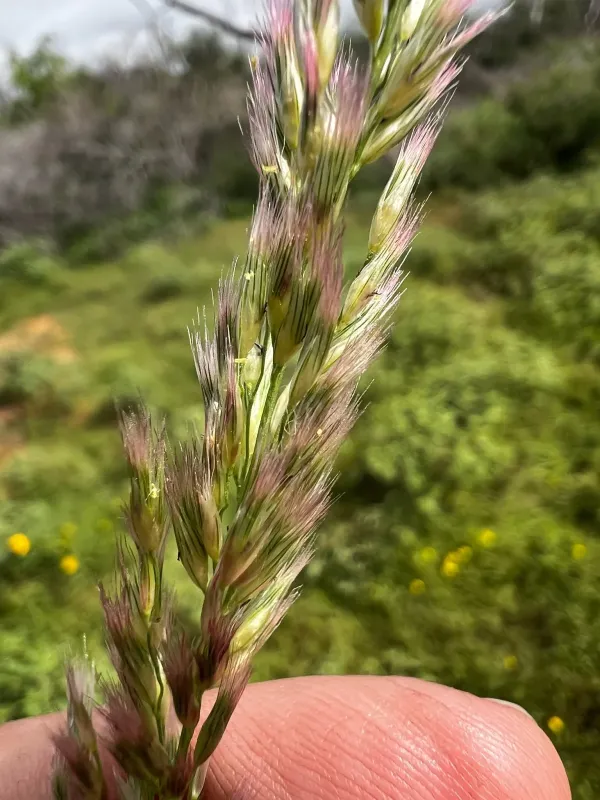
Description
Sowing dates
Pappophorum bicolor is a perennial grass species, typically established in the spring when soil temperatures reach 15-18 degrees Celsius to promote germination.
For successful establishment, moisture is critical in the upper soil layers, which often dictates sowing schedules in regions where rainfall is seasonal.
Given the small size of the seeds, they should be sown shallowly, ideally at a depth of no more than 1-2 centimeters, to ensure proper emergence.
Seeding rates must be calculated based on seed viability and purity to ensure optimal stand density for sustainable pasture development.
During the first year, growth is typically focused on root system development, making weed control essential for the survival of young seedlings.
Growing requirements
As a member of the Poaceae family, Pappophorum bicolor is highly adapted to arid and semi-arid environments, displaying significant xerophytic traits.
The plant thrives best in well-drained sandy or sandy-loam soils and is generally tolerant of low-fertility conditions where other grasses might struggle.
High levels of solar radiation and warm temperatures are required for optimal physiological function and biomass production during the growing season.
This species is well-known for its ability to recover rapidly after periods of severe water stress, utilizing rainfall events to initiate new growth.
The soil pH should ideally remain within the neutral to slightly alkaline range to maximize nutrient uptake and overall plant health.
Yield
Biomass production depends heavily on rainfall patterns and soil health, typically ranging from 2 to 5 tons of dry matter per hectare annually.
Rotational grazing systems are highly recommended to prevent overgrazing and allow the plant to replenish its carbohydrate reserves in the root system.
Nutritional value is peak during the vegetative phase and early booting, offering significant protein content for livestock grazing in harsh environments.
Seed production can be challenging due to uneven ripening within the panicle, requiring precise timing to capture maximum seed yield.
This culture serves as a vital component for the ecological restoration of degraded rangelands, effectively reducing erosion in wind-prone areas.
Main diseases and pests
Fungal infections such as leaf rust can become a significant issue during periods of high humidity or poor air circulation within the canopy.
Sucking insects, including aphids and leafhoppers, may cause damage during the active growing season by weakening the foliage and stems.
Root rot diseases are typically associated with poor drainage, which can lead to plant decline if excess water stagnates in the root zone.
Intensive grazing pressure reduces the vigor of the plant, indirectly making it more susceptible to pest infestations and environmental stress.
- Rust fungi
- Grass aphids
- Root rots
- Leafhoppers
Harvesting
For hay production, the optimal harvest time is at the onset of flowering to maximize nutrient density before the plant allocates energy to seed formation.
Cutting heights should be managed carefully, with a stubble height of 7-10 centimeters recommended to protect the crown and ensure regrowth potential.
Seed harvesting often involves swathing followed by threshing once the seed moisture has decreased to acceptable levels for handling.
Cleaning and drying the seeds immediately after harvest is essential to prevent fungal growth and maintain high germination rates for future planting.
Proper storage in a cool, dry environment is necessary to protect the seed bank from humidity fluctuations and common storage pests.