
Sandplain lupine
Lupinus subcarnosus Hook.
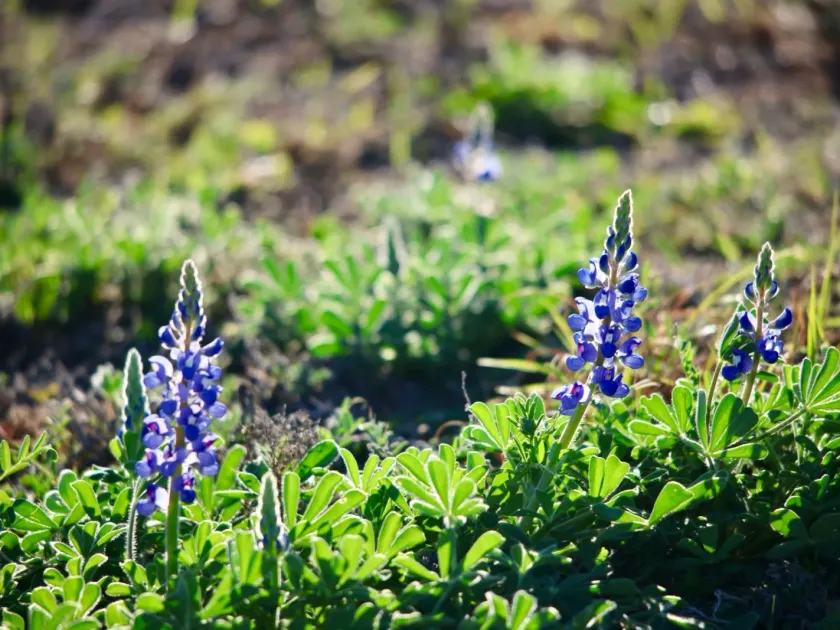
Description
Sowing dates
Sowing of the Sandplain lupine should take place in early spring once the soil temperature is consistently above 5–8 degrees Celsius. This timing ensures that young seedlings avoid the risks of late frosts, which can significantly damage the initial growth stages.
Seeds often require scarification to break dormancy and promote uniform germination, especially if they have been stored for a long period. The recommended sowing depth is between 3 to 5 centimeters, depending on the soil moisture and texture.
The seeding rate must be calculated to achieve a target density that allows the plants to compete effectively against weeds. Typically, a density of 80 to 120 seeds per square meter is considered optimal for achieving a productive stand.
Inoculation with specific Rhizobium bacteria is a crucial pre-sowing practice for this legume. This ensures the plant can effectively fix atmospheric nitrogen, leading to more robust biomass production and higher fertility benefits for the soil.
Choosing the correct sowing time is vital to align the plant's flowering phase with the peak growing season. Late sowing can result in stunted growth if the plant hits a dry, hot spell during its most active development period.
Growing requirements
Sandplain lupine is a light-demanding crop that thrives best in full sun conditions. It shows excellent adaptability to well-drained sandy or loamy soils, which are ideal for its deep, vertical taproot system.
The plant prefers slightly acidic soil conditions and will not perform well in poorly drained or waterlogged environments. Ensuring adequate drainage is essential to prevent root rot and other physiological issues related to excessive moisture.
While the plant is relatively drought-tolerant once established, it requires consistent moisture during the germination and early vegetative stages. Providing adequate water during the budding phase is key to maximizing biomass yield.
One of the primary benefits of this crop is its ability to access nutrients from deeper soil profiles. Its root system helps break up compacted soil, improving water infiltration and overall structure for subsequent crop rotations.
Fertilization management should focus on phosphorus and potassium, as the plant is self-sufficient in nitrogen due to its symbiotic relationships. Excessive nitrogen application can actually reduce the plant's natural ability to fix its own nitrogen.
Yield
The yield of green biomass depends heavily on the climatic conditions of the season and the overall level of field management. When grown in favorable conditions, the Sandplain lupine produces significant amounts of organic matter.
Seed yields are variable and are strongly influenced by rainfall patterns during the pod-filling stage. Growers should expect stable yields when climatic conditions favor a steady development of the reproductive organs.
As a multi-purpose crop, it is often utilized for green manure, which serves to enrich the soil with organic nitrogen. It is also used as a forage crop, though users must be aware of potential alkaloid content in certain varieties.
The inclusion of this crop in a rotation cycle significantly improves the soil for follow-up cereals. The decomposition of its biomass contributes to a healthy microbial environment, which supports higher yields for the entire farming operation.
Beyond agricultural use, it is prized in landscaping for its visual appeal. It serves as an excellent ground cover for erosion control, especially on sandy slopes where other plants might struggle to establish roots.
Main diseases and pests
Fungal diseases like Fusarium wilt and anthracnose are the primary threats to crop health. Managing these requires high-quality seed selection and strict adherence to crop rotation, avoiding areas where legumes were grown recently.
Pests such as aphids and root-knot nematodes can cause substantial damage to the plant's foliage and roots. Regular field monitoring is essential to catch infestations early and apply corrective measures or integrated pest management strategies.
Root rot is prevalent in fields with poor drainage or heavy clay content. Improving soil aeration through proper cultivation and avoiding water saturation are effective ways to mitigate the risk of pathogen outbreaks.
Viral diseases, which are often transmitted by insect vectors, can stunt plant growth and reduce seed yield. Controlling weeds in and around the fields is an important strategy to reduce the habitat of these insect vectors.
Establishing spatial isolation between different lupine plots can significantly reduce the risk of disease transmission. Implementing a comprehensive biosecurity and scouting program is the most reliable way to maintain a healthy crop.