
Hartweg's lupine
Lupinus hartwegii Lindl.
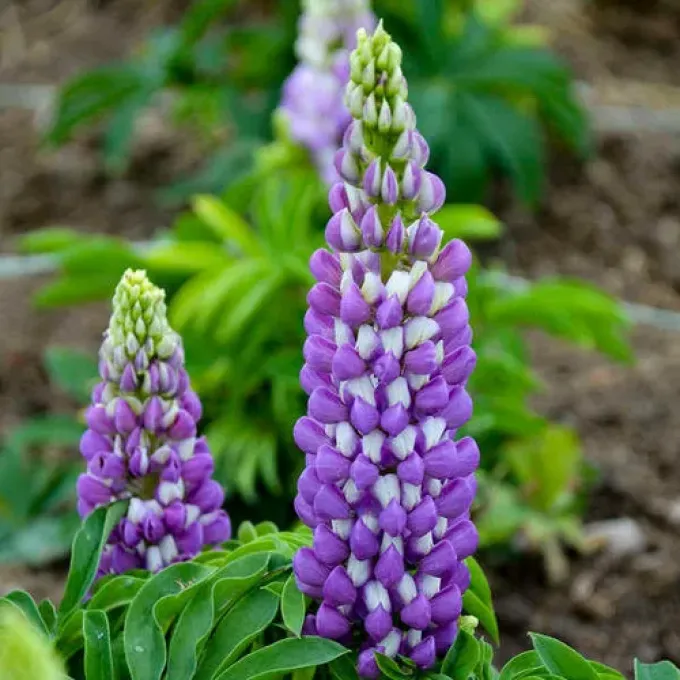
Description
Sowing dates
Hartweg's lupine is an annual herbaceous plant belonging to the Fabaceae family. In temperate climates, seeds are sown directly into the soil in spring once the danger of frost has passed and the ground has sufficiently warmed up.
For earlier flowering, the seedling method is commonly used in greenhouses. Seeds are sown indoors 4–6 weeks before the intended transplanting date into individual pots to protect the sensitive taproot system from damage.
The optimal sowing depth is approximately 1.5 to 2 centimeters. Maintaining proper spacing between plants is crucial to ensure adequate airflow, which helps prevent the development of fungal infections in the foliage.
Seeds exhibit high germination rates, typically emerging within 10 to 14 days under favorable conditions. The ideal temperature range for germination is between 15 and 20 degrees Celsius.
When selecting a site for sowing, it is recommended to choose a location with full sun exposure to allow the plant to accumulate sufficient biomass and produce vigorous flowers during the growing season.
Growing requirements
This crop has moderate soil fertility requirements but thrives in light, well-drained loamy or sandy soils. A neutral to slightly acidic soil pH is preferred for optimal nutrient uptake.
Hartweg's lupine is highly photophilous and requires significant sun exposure. Growing it in shaded areas often results in leggy stems and reduced floral production, which diminishes its overall aesthetic value.
The plant demonstrates good drought tolerance due to its deep taproot system, which allows it to access moisture from lower soil layers. However, consistent watering during the peak growing phase will result in larger, more vibrant flower spikes.
Waterlogged soil conditions must be strictly avoided, as excess moisture in the root zone often leads to root rot and premature plant death. Well-drained soil is the most critical factor for success.
Nitrogen fertilizers should be applied sparingly, if at all, as the plant engages in symbiotic nitrogen fixation with soil bacteria, effectively enriching the soil and meeting its own nitrogen needs.
Main diseases and pests
Common diseases affecting this species include Fusarium wilt and powdery mildew, both of which are more prevalent under conditions of high humidity and poor air circulation around the plants.
Insect pests such as aphids and lupine weevils are the primary threats. These organisms can damage leaves, buds, and roots, potentially leading to weakened plants and reduced aesthetic or agricultural performance.
Integrated pest management, including crop rotation and the use of healthy, treated seeds, is essential for maintaining crop health. Avoiding legumes on the same site for several years helps minimize soil-borne pathogens.
Viral infections transmitted by sap-sucking insects require diligent monitoring. Removing and destroying infected plants promptly is a recommended practice to prevent further spread within the garden.
Regular inspection of the foliage during the bud development stage is vital for detecting early signs of infestation and ensuring timely application of protective measures when necessary.