
Lupinus polyphyllus
Lupinus polyphyllus Lindl.
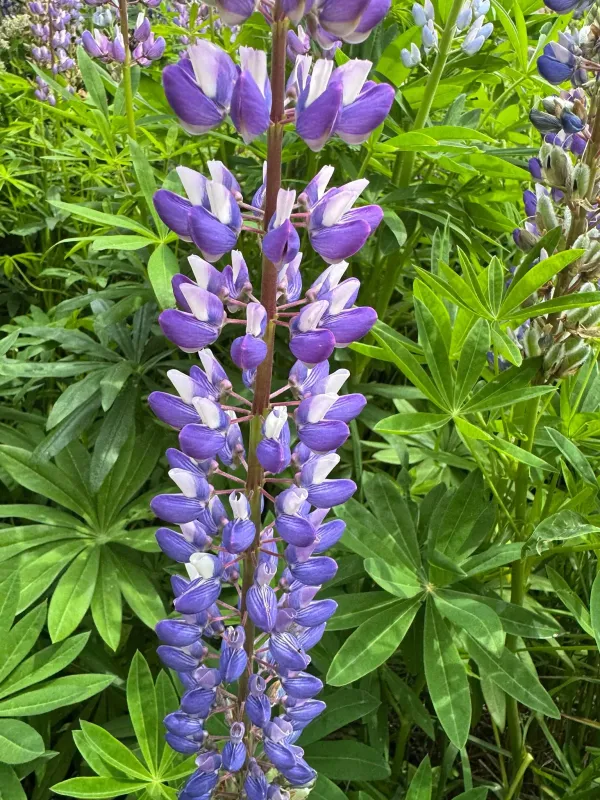
Description
Sowing dates
Lupinus polyphyllus is typically sown in early spring as soon as the soil is workable. The seeds are highly resilient to cold, allowing for early planting when soil temperatures remain relatively low.
The recommended planting method involves drilling seeds into rows spaced 15 to 20 centimeters apart. This spacing facilitates optimal density for weed suppression and biomass production.
Seeds should be buried at a depth of 3 to 4 centimeters. Ensuring good seed-to-soil contact is essential for uniform germination, especially in drier spring conditions.
The standard seeding rate is generally calculated based on target density, usually requiring 150-200 kg per hectare. Proper calibration of seed drills is necessary to avoid wastage.
It is standard agricultural practice to inoculate seeds with Rhizobium bacteria before sowing. This step is critical for establishing effective nitrogen fixation symbiosis in the roots.
Growing requirements
Belonging to the Fabaceae family, the perennial lupine is highly valued for its ability to thrive in poor, acidic soils. It prefers well-drained loamy or sandy substrates.
Waterlogging is a major limiting factor for this crop. It is essential to avoid poorly drained areas where water may pool, as the roots are highly susceptible to rot in anaerobic conditions.
The species is heliophilic, requiring abundant sunlight for vigorous vegetative growth and flowering. Shaded environments often lead to stunted plants and poor biomass yields.
Its deep taproot system allows it to access water and minerals from deep soil layers, providing drought resilience once the plants are well-established in the field.
As a nitrogen-fixing legume, it excels in low-input farming systems. It acts as a bio-fertilizer when incorporated as green manure, significantly increasing soil organic matter content.
Main diseases and pests
Anthracnose is the most destructive disease affecting lupine crops, appearing as dark, sunken lesions on stems and petioles. It can lead to complete stand failure in humid weather.
Fusarium wilt represents another significant threat, causing systemic infection that results in yellowing and sudden wilting. Maintaining a 4-year crop rotation is the primary management strategy.
Lupine aphids and weevils are the most common insect pests. They cause direct damage to the foliage and can transmit various viral pathogens that severely stunt growth.
Powdery mildew often attacks during late summer when days are warm and nights remain humid. While usually cosmetic, severe infestations can reduce the photosynthetic capacity of the plant.
Integrated pest management (IPM) is essential for successful cultivation. This includes using certified clean seeds and regular scouting to intervene before pest populations reach economic thresholds.