
Wild perennial lupine
Lupinus perennis L.
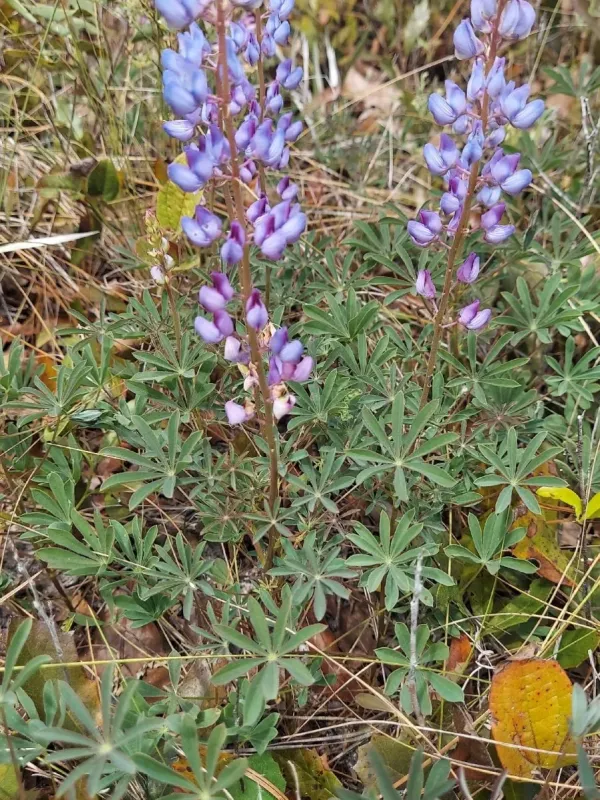
Description
Sowing dates
The planting of perennial lupine is best performed in early spring as soon as the soil has thawed and warmed to at least 5-8 degrees Celsius. Early sowing ensures that plants capitalize on winter moisture, which is crucial for establishing a robust root system during the initial growth phase.
For large-scale cultivation, seeds are sown at a depth of 3-5 centimeters depending on the soil texture. Lighter, sandy soils require slightly deeper placement to prevent desiccation, while heavier soils require shallower sowing to ensure consistent emergence.
Seed inoculation with specific Rhizobium bacteria is a mandatory agronomic practice. This biological treatment facilitates nitrogen fixation, allowing the lupine to thrive in nutrient-poor conditions without the need for synthetic nitrogen fertilizers.
Planting densities vary based on the intended use; crops destined for green manure are seeded at higher rates to maximize biomass production, whereas seed production plots are spaced wider to ensure better aeration and reduce fungal pressure.
Minimal mechanical weeding is recommended after the seedlings have reached a sufficient height, as lupine is sensitive to root disturbance. Keeping the field clear of broadleaf weeds during the early vegetative stage is vital for maximizing yield potential.
Growing requirements
Perennial lupine is a member of the Fabaceae family, highly valued for its role in sustainable agriculture. It thrives in well-drained, acidic to neutral soils with a pH ranging from 4.5 to 6.5, making it an excellent candidate for improving sandy or depleted lands.
The plant is known for its high light requirements and moderate cold hardiness. While it adapts well to various temperate climates, it is intolerant to waterlogged soils, which can cause crown rot and significant reduction in plant density.
In terms of soil preparation, the goal should be to achieve a fine seedbed. Plowing and harrowing before sowing are standard procedures to break down clumps and ensure uniform seed contact with the soil, which leads to more predictable germination rates.
The lupine root system is deep and penetrating, effectively loosening compacted soil layers. This bio-drilling effect increases the water infiltration capacity of the soil, benefiting the subsequent crops in the rotation cycle.
Nutrient management focuses on phosphorus and potassium levels rather than nitrogen. Adding nitrogen fertilizers is generally avoided, as it tends to inhibit the activity of the symbiotic bacteria responsible for natural nitrogen accumulation.
Yield
The biomass yield of perennial lupine is substantial, often ranging from 30 to 50 tons per hectare under optimal conditions. It is widely used as a high-protein green fodder for livestock and is considered an excellent component of sustainable silage mixtures.
For seed production, yields typically vary between 1.5 and 2.5 tons per hectare. Harvesting should be carefully timed when the pods turn brownish-gray to prevent shattering, a common issue with many lupine varieties as they reach maturity.
As a green manure crop, lupine provides significant organic matter back to the field. Its decomposition releases nitrogen in a form that is readily available for following crops like cereals or corn, thereby reducing the need for mineral fertilizers.
Productivity is highly dependent on effective pollination, as lupine is primarily cross-pollinated by bees. Establishing hives near the crop during the flowering period can significantly increase the seed set and overall harvest consistency.
The economic value of lupine extends beyond its primary harvest. It serves as a vital tool for soil carbon sequestration and helps in the maintenance of soil biological health, which is a critical long-term asset for any farming operation.
Main diseases and pests
Fusarium wilt is arguably the most significant threat to perennial lupine, leading to systemic infection and potential crop failure. Management strategies include the use of certified disease-resistant seeds and adherence to long crop rotation cycles.
Anthracnose is another major disease affecting the crop, causing dark lesions on stems and leaves. It spreads rapidly in high-humidity conditions, making proper plant spacing and airflow essential for reducing the severity of outbreaks.
Pest pressure from aphids and lupine weevils can significantly damage leaves and seed pods. Integrated pest management (IPM) practices, such as monitoring populations and using selective insecticides, are recommended to maintain control without harming beneficial pollinators.
Viral infections transmitted by insect vectors can cause severe stunting and discoloration. Since there is no effective chemical cure for viruses, control efforts must be directed towards managing vector populations and eliminating weed reservoirs.
Field sanitation is a key prevention method. Removing crop residues after harvest and deep plowing the soil helps to interrupt the life cycles of pathogens and reduces the inoculant density for the next growing season.