
Lupinus cosentinii
Lupinus cosentinii Guss.
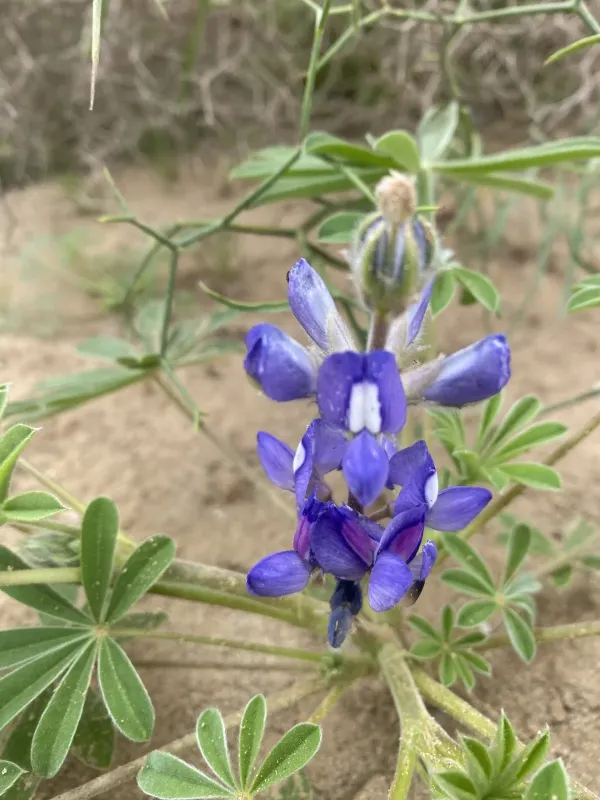
Description
Sowing dates
Lupinus cosentinii, commonly known as the sandplain lupin, requires precise timing for sowing to ensure optimal germination and early establishment in diverse soil conditions.
The ideal planting period typically occurs when soil temperatures are cool to moderate, allowing the root system to develop before the onset of summer heat.
Seeds should be sown at a depth of approximately 3 to 5 centimeters, ensuring they have sufficient soil moisture contact for rapid and uniform emergence.
Planting densities are determined by the intended use of the crop, whether it is for biomass production as green manure or for harvesting high-protein seeds.
Proper seedbed preparation is essential to eliminate weed competition and provide an aerated environment for the germination of these legumes.
Growing requirements
This crop thrives in sandy, well-drained soils, demonstrating a high tolerance for infertile conditions where other pulse crops might struggle to survive.
Lupinus cosentinii is remarkably drought-tolerant, utilizing its deep taproot to reach moisture reserves in the soil profile during dry spells.
It prefers slightly acidic to neutral soil pH levels; however, it adapts well to a variety of light-textured substrates common in Mediterranean climates.
The plant requires effective nodulation by specific Rhizobium bacteria to maximize nitrogen fixation, which is crucial for its role in soil fertility improvement.
Adequate sunlight is necessary for robust growth, as the plant does not perform well in shaded areas or under heavy canopy competition from other plants.
Main diseases and pests
Fungal pathogens such as anthracnose and root rot represent the most significant threats to yield, especially under humid and cool climatic conditions.
Pests including the lupin aphid and various species of weevils can cause substantial foliage damage and stress, impacting the overall health of the crop.
Viral diseases, often spread by insect vectors, can lead to stunted growth and reduced seed set, requiring proactive monitoring and vector control measures.
Poor drainage is an indirect threat, as waterlogged conditions increase susceptibility to soil-borne pathogens and root death in sandplain lupin crops.
Integrated pest management strategies are recommended to manage disease pressure and ensure that the crop achieves its full potential for green biomass or yield.
Harvesting
Harvesting the seed crop requires timing that coincides with the maturity of the pods, typically when they begin to change color from green to brown.
Direct combining is the standard method, though care must be taken to minimize shatter losses, as the pods can be prone to opening if left too long in the field.
If the crop is grown for green manure, harvesting or incorporation should occur during the peak vegetative phase, just before flowering, to maximize nutrient return.
Moisture content management during and after harvest is critical to preventing the development of mold and maintaining seed quality during storage.
The residue left after harvest contributes significantly to soil organic matter, reinforcing the value of this crop in sustainable rotation systems.