
Tree lupine
Lupinus arboreus Sims
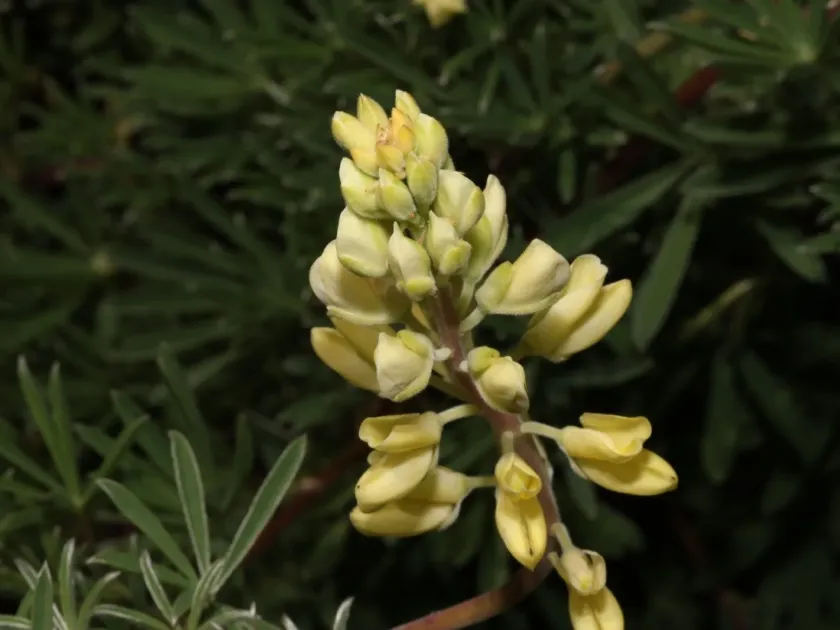
Description
Sowing dates
Sowing of tree lupine (Lupinus arboreus) typically occurs in early spring once the soil temperatures stabilize. The seeds are resilient, but they require a well-prepared, loose seedbed to establish their deep taproot systems efficiently during the initial growth phase.
It is recommended to plant seeds at a depth of approximately 2 to 3 centimeters. Proper spacing is essential to prevent overcrowding, as the plant develops into a significant shrub; maintaining a distance of at least 60–90 centimeters between plants is advisable for optimal air circulation.
Seed scarification is a highly beneficial practice, as the hard coat of the seeds can otherwise lead to erratic germination rates. Pre-treating the seeds helps ensure a uniform stand, which is crucial for maximizing productivity in field cultivation.
Inoculation with specific Rhizobium bacteria is a standard agronomic practice for legumes like tree lupine. This biological interaction is what enables the plant to fix atmospheric nitrogen, turning it into a powerful soil-enriching agent.
While spring sowing is standard, some regions allow for late autumn sowing. However, one must ensure that the winter climate is sufficiently mild to protect the germinating seeds and young seedlings from frost damage or prolonged waterlogging.
Growing requirements
The tree lupine belongs to the Fabaceae family and stands out for its shrubby, semi-evergreen growth habit. It can grow up to 2–3 meters in height, with woody stems that provide structure and longevity to the plant in its native habitats.
This crop thrives in well-drained, sandy, or light soils. It is notably sensitive to heavy, clay-rich soils that retain moisture, as such conditions promote root rot. The ideal site is one that mimics its native environment of coastal dunes or open sandy flats.
Sunlight requirements are high; the plant requires full sun to maintain its vigor and produce its characteristic fragrant flower spikes. Shady conditions result in leggy, weak growth and significantly reduce the plant's ability to fix nitrogen.
It displays remarkable drought tolerance once established, thanks to its extensive taproot. Nevertheless, supplemental watering during the first growing season is necessary to help the root system reach deeper moisture layers.
Temperature is a key limiting factor for distribution. While it is hardy in coastal climates, it does not tolerate severe, prolonged freezing temperatures. Providing a sheltered position or insulating the base can help in borderline hardiness zones.
Yield
The tree lupine is highly valued for its multifaceted utility in sustainable agriculture. It acts as an excellent soil stabilizer, especially on sandy, erosion-prone lands where its robust root system helps anchor the substrate effectively.
As a nitrogen-fixing legume, it is widely utilized for land reclamation and soil improvement. Planting tree lupine in a rotation cycle can significantly reduce the requirement for commercial nitrogen fertilizers, benefiting subsequent crops.
It serves as a high-quality forage plant for bees and other pollinators, producing a large volume of nectar. Beekeepers often prize the tree lupine for its ability to extend the foraging season due to its long flowering period.
In horticulture and landscape design, the species is appreciated for its rapid growth and aesthetic value. It creates dense, attractive screens that provide windbreaks, which can protect more sensitive horticultural crops from strong winds.
The harvest of seeds is a specialized activity, often reserved for seed production or propagation. Due to the pod's tendency to shatter upon drying, harvesting should be done when the pods turn dark and brittle, but before they open naturally.
Main diseases and pests
Aphids are the most common pest observed on tree lupines, particularly during the active growth phase. They cluster on tender shoots and flower stalks, potentially transmitting viral diseases that can severely stunt the plant.
Fungal pathogens such as anthracnose can cause significant damage in humid or stagnant air conditions. The infection manifests as necrotic spots on stems and leaves, which can lead to defoliation if left untreated.
Root rot, driven by Phytophthora or Fusarium species, remains the primary threat to the longevity of the plant. This is almost always associated with poor drainage or over-irrigation, highlighting the importance of site selection.
Insects like the lupine aphid can be particularly devastating, requiring careful monitoring throughout the late spring. Implementing integrated pest management, including the use of beneficial predators, is often preferred over chemical intervention.
- Ensure adequate spacing to allow sunlight and wind to dry foliage.
- Remove and destroy severely infected plant matter to prevent pathogen spread.
- Monitor regularly for initial signs of pests to take action early.