
Lespedeza juncea
Lespedeza juncea (L. f.) Pers.
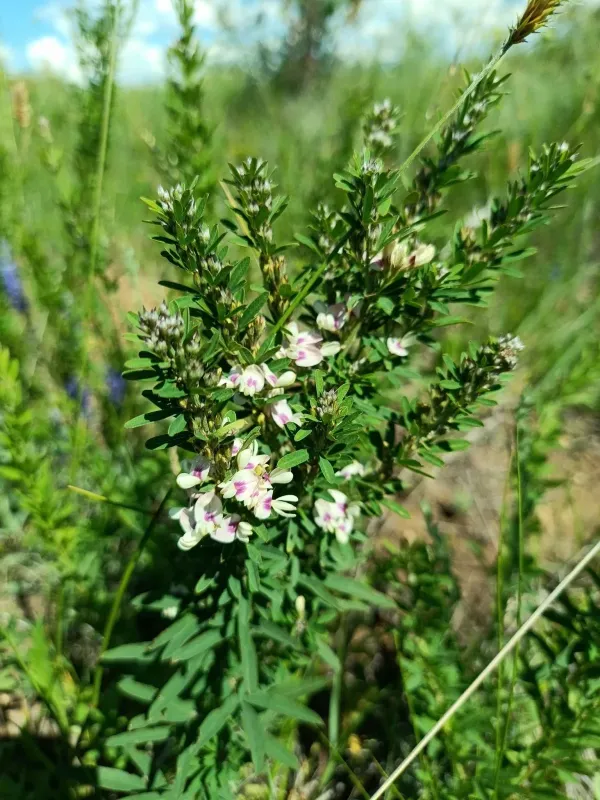
Description
Sowing dates
Lespedeza juncea is a perennial leguminous shrub that is highly valued for its persistence and adaptability. It is a long-lived plant that can remain productive in the field for several years if managed correctly.
The optimal time for sowing is during the spring when soil temperatures reach at least 10–12 degrees Celsius. Ensuring proper seed-to-soil contact is essential for uniform emergence, as the seed coat is quite hard and requires adequate moisture.
Scarification of seeds before planting is highly recommended to break dormancy and speed up germination. Drilling the seeds in rows is the most effective planting method to ensure proper spacing and reduce competition among young plants.
During the first year, growth is relatively slow as the plant focuses its energy on developing a deep root system. Weed management is crucial during the initial establishment phase because young seedlings do not compete well with vigorous weeds.
As a member of the Fabaceae family, this species establishes a symbiotic relationship with nitrogen-fixing bacteria. This biological process enhances soil fertility, making it a sustainable choice for rotational cropping systems.
Growing requirements
The plant is highly tolerant of drought and extreme heat, making it suitable for arid and semi-arid environments. Its native range includes parts of East Asia, where it thrives in rocky, sandy, and nutrient-poor soils.
Lespedeza juncea prefers well-drained loamy or sandy soils with a neutral to slightly acidic pH. It is very sensitive to waterlogging and will show stunted growth in areas with poor drainage or stagnant water.
This crop requires full sun to reach its full yield potential. Adequate light exposure is critical for stem development and the successful production of both biomass and seeds throughout the growing season.
Due to its robust root system, it is an excellent candidate for phytoremediation and soil conservation. It is frequently used to stabilize loose soils, prevent wind erosion, and reclaim degraded lands in various landscapes.
The plant demonstrates remarkable cold hardiness, allowing it to survive harsh winters in many climate zones. It can successfully withstand seasonal temperature fluctuations and periods of low precipitation.
Yield
The primary use of Lespedeza juncea is the production of high-quality hay. It provides a valuable source of protein and essential nutrients, making it a reliable forage option for cattle, sheep, and goats.
Yields are heavily dependent on environmental conditions and soil quality. In well-managed fields with sufficient moisture, the crop produces enough biomass to support intensive grazing or mechanical harvesting.
Beyond its value as fodder, the plant is harvested for its chemical properties. The leaves and stems contain tannins and flavonoids, which are utilized in the pharmaceutical industry for their medicinal and bioactive compounds.
When harvesting for hay, it is important to cut the crop before the stems become overly lignified. Late harvesting reduces the nutritional value and palatability of the forage due to an increase in fiber content.
Lespedeza juncea also serves as a significant honey plant. Its flowering period provides a consistent nectar source for bees, which contributes to local biodiversity and produces honey with distinct sensory profiles.
Main diseases and pests
Fungal diseases, such as powdery mildew, are the most common concern, particularly in areas with high humidity or poor airflow. Monitoring for early signs of infection is essential to maintaining healthy crop stands.
Nodule weevils are the most significant pests affecting this crop, as they feed on roots and inhibit the plant's nitrogen-fixing capabilities. Integrated pest management strategies are necessary to keep their populations in check.
Foliage feeders, such as aphids and various species of lepidopteran larvae, may cause localized damage. Implementing proper crop rotation and farm hygiene practices effectively limits the spread of these pests.
Root rots may occur if the plant is grown in heavy, poorly drained soils. Proper site selection and soil amendment remain the most effective preventive measures against these soil-borne pathogens.
Maintaining physical distance from other legumes helps prevent the spread of host-specific diseases. Regular field assessments ensure that any issues are detected early, protecting the longevity and health of the perennial stand.