
Sericea lespedeza
Lespedeza cuneata (Dum. Cours.) G. Don
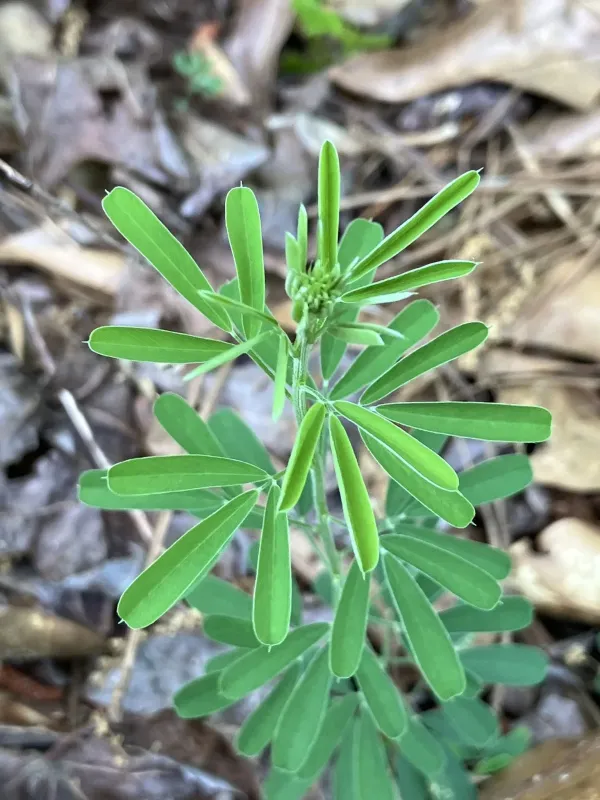
Description
Sowing dates
Sowing of Sericea lespedeza is typically carried out in the spring when soil temperatures reach 12–15 degrees Celsius. Ensuring good seed-to-soil contact is essential for uniform emergence.
Seeds of this crop require scarification to overcome the hard seed coat, which significantly improves germination rates. The optimal planting depth ranges from 1 to 2 centimeters depending on soil texture.
Seeding rates are determined based on seed purity and germination percentage. Generally, about 10–15 kilograms per hectare are sufficient when using a row-drilling method to establish a dense stand.
During the first year of growth, Sericea lespedeza develops slowly, focusing its energy on building a robust root system. During this period, weed control is critical to ensure the crop becomes properly established.
In subsequent years, the crop begins growth early in the season and recovers quickly after mowing or grazing, making it a reliable and highly productive forage plant.
Growing requirements
Sericea lespedeza is a highly drought-tolerant legume known for its ability to thrive on poor, acidic, and eroded soils where other agricultural crops would fail to survive.
The plant exhibits exceptional nitrogen-fixing capabilities through symbiosis with specific bacteria. This process helps restore soil health and fertility, making it an excellent candidate for land reclamation.
This crop prefers sunny locations, as it does not tolerate heavy shading. It is heat-loving, which restricts its primary cultivation range to temperate and subtropical climate zones.
It is adaptable to a wide range of soil textures, including sandy and clayey soils. However, it is sensitive to waterlogged conditions and does not perform well in areas prone to standing water.
In regions with harsh winters, plants may suffer from frost damage, so selecting cold-hardy varieties is a key factor for successful long-term perennial cultivation.
Yield
Forage yield for Sericea lespedeza is dependent on management intensity and soil fertility levels. Under favorable conditions, it can provide up to two cuttings per growing season.
Average hay yields range from 4 to 7 tonnes per hectare. With proper management and strategic fertilization, productivity levels can be increased to meet higher demand.
Economic use of the crop includes hay production, grass meal processing, and enhancement of degraded natural pastures, providing a consistent source of nutrients for livestock.
Protein content is a crucial factor, remaining high when harvested during the early flowering phase. This makes the biomass a high-quality nutritional component for cattle and other ruminants.
Beyond forage value, Sericea lespedeza is highly regarded for its soil conservation properties, effectively preventing wind and water erosion on steep slopes and marginal lands.
Main diseases and pests
Sericea lespedeza possesses a high level of natural resistance to many common legume diseases. It is rarely affected by powdery mildew or rust if proper agronomic practices are maintained.
Potential pests include root-nodule weevils, which may damage seedlings during the early establishment phase. In the event of large infestations, targeted insecticide applications are necessary.
Improper mowing practices, particularly cutting too close to the ground, can weaken the root system and cause the stand to decline. Maintaining an appropriate cutting height is essential for longevity.
In conditions of high humidity combined with poor soil aeration, root rot may occur. Improving drainage and selecting suitable planting sites are the most effective preventive measures.
Nematodes can also pose a risk when the crop is grown continuously on the same plot for many years, therefore crop rotation and regular root monitoring are highly recommended.
Harvesting
Harvest timing for Sericea lespedeza is dictated by its intended use: hay or direct grazing. The optimal phase for harvesting biomass is at the onset of mass flowering.
For hay production, rapid drying is critical to retain the leaves, which contain the majority of the plant's nutrients. Over-drying should be avoided to prevent excessive leaf shatter.
Harvesting technology involves standard mowing followed by tedding to ensure even moisture reduction. Modern rotary mowers are preferred to ensure a clean cut and minimize biomass losses.
If harvested for seed, the operation should occur when the majority of pods turn brown. Care must be taken to avoid over-ripening, which leads to significant seed shattering and yield loss.
Post-harvest management is vital for the winter dormant period, allowing the plant to store energy in its rhizomes, which ensures vigorous regrowth in the following spring season.