
Common duckweed
Lemna minor L.
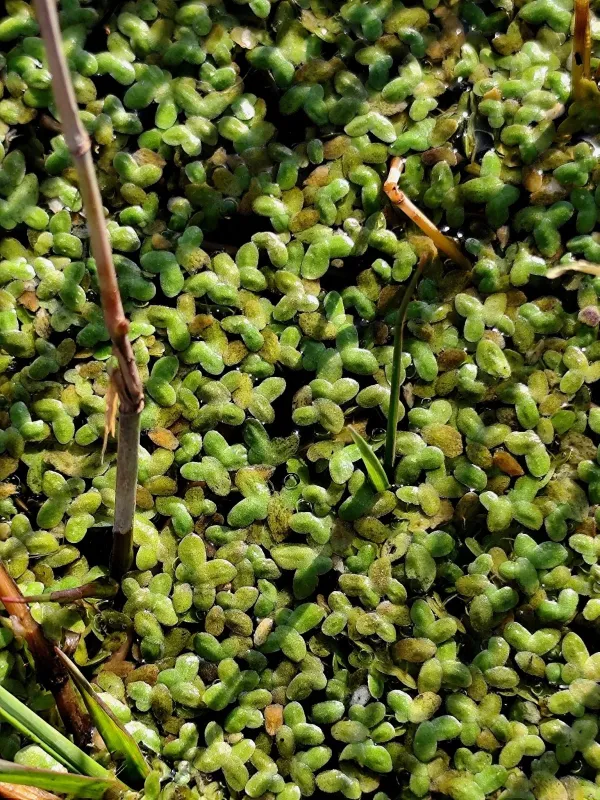
Description
Sowing dates
Common duckweed is typically propagated vegetatively, as it spreads rapidly through the fragmentation of its fronds. To start a cultivation cycle, one introduces a parent culture into a prepared water body or hydroponic trough during the spring season when water temperatures stabilize above 10–12°C.
The optimal period for vigorous growth is between May and June, coinciding with longer daylight hours. In controlled environment agriculture or indoor setups, year-round production is achievable using supplemental LED lighting to mimic favorable growth conditions.
Initial stocking density should be approximately 200–300 grams of fresh biomass per square meter. This density provides sufficient coverage for the plants to establish a stable colony while allowing space for rapid doubling of the population.
Belonging to the Araceae family, this plant is exceptionally efficient at converting dissolved nutrients into biomass. In optimal conditions, a duckweed mat can double its surface area in as little as seven to ten days, making it a highly productive crop.
Successful establishment requires a water environment rich in nitrogen and phosphorus. Unlike traditional crops, duckweed does not require soil, but it does thrive in environments where organic or inorganic nutrients are readily available for rootless absorption.
Growing requirements
The chemical composition of the water is the most critical factor for productivity. Duckweed prefers a pH level between 6.0 and 7.5; deviations from this range can severely inhibit growth and lead to chlorosis, reducing the plant's nutritional density.
While the plant is sun-loving, excessive heat and direct intense sunlight can cause damage to the fronds. Maintaining water temperatures between 20°C and 28°C ensures optimal enzymatic activity and fast vegetative reproduction.
Water quality must be managed to exclude heavy metals and pesticides, as duckweed acts as a bioaccumulator. If the goal is to produce livestock feed, the water source must be strictly monitored to ensure the final biomass is free from harmful contaminants.
Proper aeration or gentle water flow is necessary to prevent stagnation, which can foster the growth of harmful anaerobic bacteria. A light movement of water also ensures that nutrients are evenly distributed across the entire growing area.
Photoperiod is essential, with a requirement of at least 10–12 hours of light daily. If the light intensity or duration is insufficient, the plants will become pale, lose their high-protein content, and show significantly lower growth rates.
Yield
Duckweed is highly regarded for its extraordinary yield potential. In intensive aquaculture systems, it can produce between 10 and 20 tons of dry matter per hectare annually, far exceeding the protein output of traditional terrestrial legumes.
Harvesting frequency plays a major role in yield. Frequent partial harvesting of the mat stimulates the remaining plants to divide and grow faster, keeping the population in a constant state of rapid regeneration and preventing over-maturation.
The nutritional profile is a key benefit, with crude protein content ranging from 25% to 35% of dry weight. This high-quality plant protein makes it a viable and sustainable substitute for soybean meal in animal diets, including poultry, fish, and swine.
Micronutrient content, including essential amino acids and B-vitamins, is heavily influenced by the nutrient solution used during cultivation. By adjusting the water medium, growers can tailor the nutritional quality of the crop to meet specific animal health needs.
Measuring yield involves weighing the harvested fresh biomass after thorough drainage. Tracking the conversion efficiency helps managers optimize nutrient input, ensuring maximum biomass production at the lowest possible operational cost.
Main diseases and pests
Filamentous algae and blue-green algae are the primary competitors for sunlight and nutrients. If they gain a foothold in the system, they can quickly overwhelm the duckweed colony, often requiring a complete water replacement to restore the crop.
Insect pests, such as aquatic larvae (e.g., caddisflies), can damage the delicate fronds. Furthermore, fungal infections may occur during periods of high humidity or poor water circulation, leading to localized rotting of the duckweed mat.
Temperature stress is a major risk, as rapid shifts can lead to tissue death and discoloration. Maintaining a stable environment through shading and controlled water input is the most effective preventive strategy against environmental damage.
Since duckweed is highly absorptive, chemical control of pests or weeds in the surrounding area can be catastrophic. The plant will absorb toxins from the water, rendering the entire batch unsafe for agricultural use.
Effective management focuses on biological health: maintaining the correct density prevents the overcrowding that often triggers disease. Consistent monitoring of water chemistry allows for the early detection and mitigation of potential threats.
Harvesting
Mechanical harvesting is achieved using specialized mesh conveyors or skimming devices that remove the top layer of biomass. It is crucial to leave enough plant material behind to ensure the population can recover rapidly and continue the production cycle.
Once harvested, the duckweed must be drained of excess water using vibrating screens or centrifuges. Reducing moisture content to below 85% is essential to prevent rapid degradation and spoilage before the drying process begins.
Drying is performed using solar or industrial convection driers at temperatures below 60°C. Careful temperature control is required to preserve sensitive amino acids and vitamins, which would otherwise degrade under high heat.
The resulting dried product can be ground into a fine meal or pelleted for use in compound feeds. Stored in a dry, well-ventilated area, the product retains its nutritional value, serving as a reliable protein source throughout the year.
Scheduled harvesting is the backbone of a successful duckweed operation. By treating the colony as a continuous-flow production system, managers can achieve a high, reliable yield that supports sustainable and profitable agricultural practices.