
Rough dogstail
Cynosurus echinatus L.
Description
Growing requirements
Rough dogstail (Cynosurus echinatus L.) is an annual grass belonging to the Poaceae family. This species is widely distributed in Mediterranean regions, where it adapts to diverse environmental conditions and soil types.
The plant thrives in well-drained, fertile soils but exhibits remarkable tolerance for poorer, rocky, or sandy substrates, making it a flexible component in various grassland environments.
Climatic preferences include mild winters and warm springs. The crop requires substantial direct sunlight and is considered moderately drought-tolerant, although optimal forage yields depend on stable moisture availability.
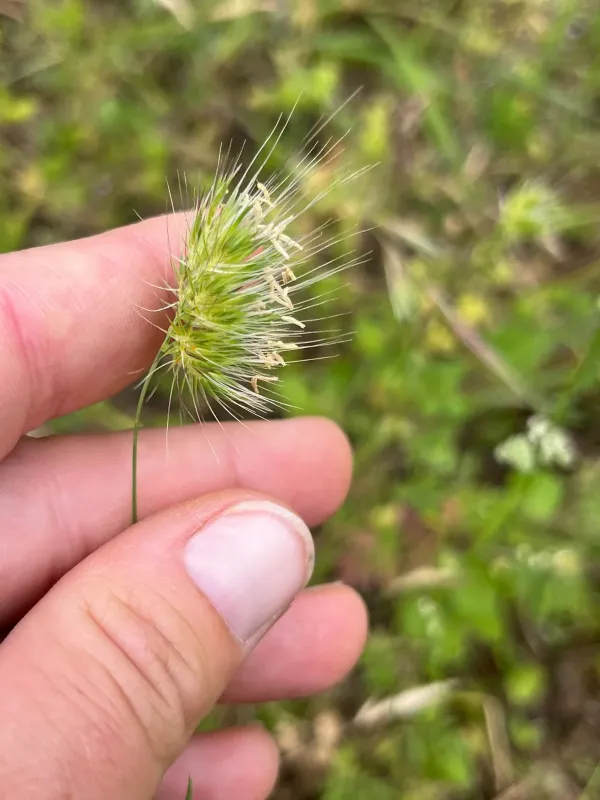
Botanically, it is recognized by its erect culms and dense, spiky panicles. A unique feature is the presence of sterile florets that surround fertile ones, creating the characteristic prickly appearance as the plant matures.
In terms of agricultural utility, rough dogstail is valued as a constituent of pasture and meadow seed mixtures, particularly in regions where other forage species may struggle to establish.
Main diseases and pests
The primary diseases affecting rough dogstail are rust fungi and powdery mildew, which can become prevalent in fields with high plant density or poor air circulation during wet seasons.
Insect pests such as cereal aphids and thrips can cause significant foliage damage, leading to reduced nutritional quality and overall biomass production if left unchecked.
Effective management involves regular field monitoring, ensuring proper crop rotation, and applying integrated pest management strategies to maintain plant health.
Mechanical control through timely harvesting before the spikelets become too rigid is a vital technique to manage the quality of the forage and reduce pathogen spread.
Maintaining soil fertility through balanced nitrogen and phosphorus fertilization helps the plants better withstand stress from biotic factors and environmental pressures.