
Magennis bermudagrass
Cynodon x magennisii Hurcombe
Description
Growing requirements
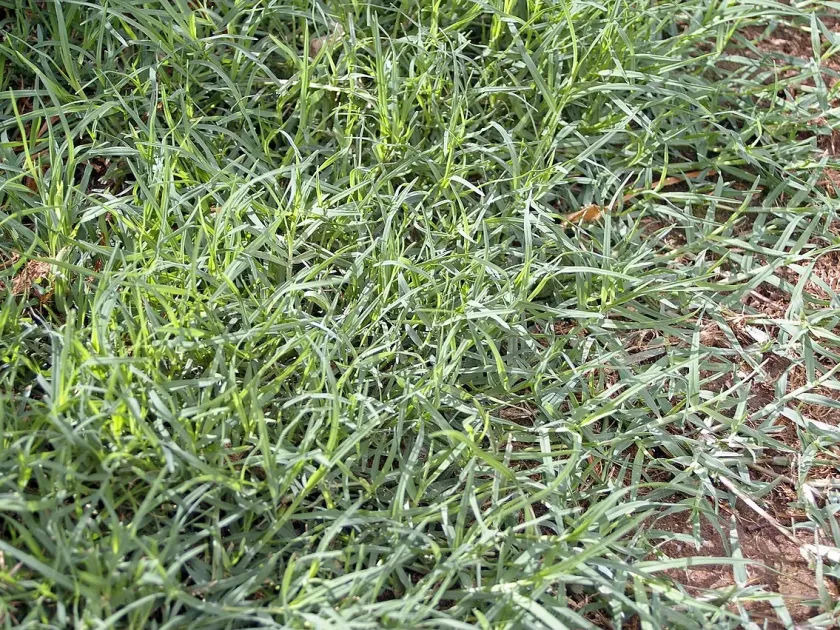
Magennis bermudagrass (Cynodon x magennisii) is a hybrid perennial grass species belonging to the Poaceae family. It is recognized for its fine-textured leaf blades and ability to establish a dense, resilient turf that outperforms many standard bermudagrass varieties in visual quality.
The species originates from warm-climate regions, thriving primarily in tropical and subtropical environments. It requires full sun exposure and fails to perform well in shaded areas, where the lack of solar radiation restricts its lateral spread and density.
Regarding soil preferences, it adapts to various soil types including sandy and loamy profiles. It shows notable tolerance to saline conditions, making it a preferred choice for golf courses and sports facilities located in coastal areas with high soil salinity levels.
The climate requirements emphasize a long, hot growing season. While the species is highly drought-tolerant due to its deep root system, supplementary irrigation is essential for maintaining a high-quality appearance and fast recovery rates during extreme summer heatwaves.
The primary economic use involves the construction of high-performance turf for golf greens and professional athletic fields. Its capacity to form a tight, uniform sod creates a perfect playing surface that withstands frequent mechanical stress and foot traffic.
Main diseases and pests
Like most turf grasses, Magennis bermudagrass is susceptible to several fungal diseases, including dollar spot and leaf blight, especially when air circulation is poor or the thatch layer becomes excessively thick. Maintaining a healthy balance of moisture is crucial.
Common pests include white grubs, which feed on the roots and can cause significant patch death if left uncontrolled. Other insects, such as sod webworms, can also cause damage to the leaf canopy during peak summer months.
Cultural management practices are the first line of defense. Regular aeration is mandatory to reduce soil compaction and prevent the accumulation of organic debris, which creates a habitat for pathogens and increases overall plant stress.
When chemical intervention is required, selective fungicides and insecticides should be applied according to professional turf standards. It is important to monitor the turf regularly to detect early signs of infestation or disease symptoms.
Balanced fertilization programs play a key role in disease resistance. Providing adequate potassium and micronutrients helps the plant withstand environmental stresses, while nitrogen must be carefully managed to avoid overly lush growth that attracts specific pests.