
Bermuda grass
Cynodon dactylon ssp pulchellus
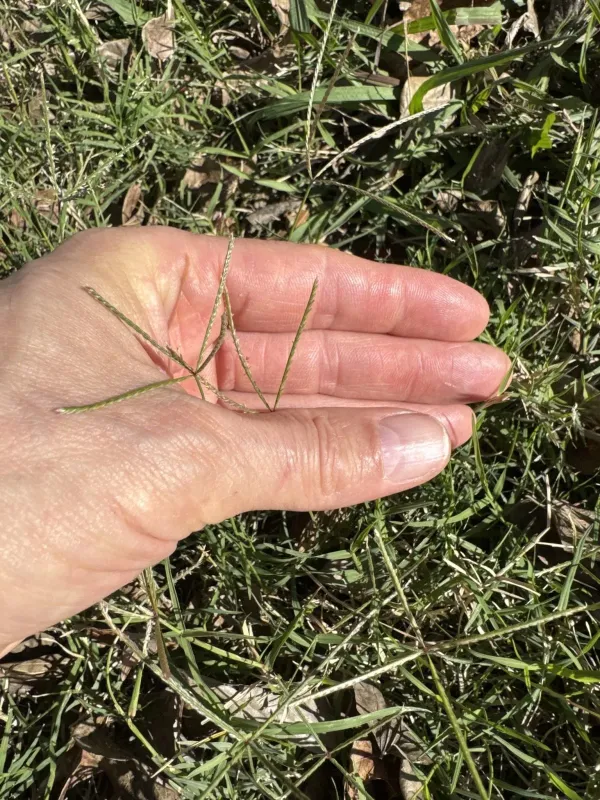
Description
Sowing dates
Bermuda grass is a warm-season perennial that requires soil temperatures consistently above 18 degrees Celsius to initiate successful germination and growth.
The optimal planting window is in late spring once all risks of frost have passed and the soil has sufficiently warmed up to promote rapid root establishment.
Because the seeds are small, they should be sown shallowly, typically at a depth of no more than 1–2 centimeters, ensuring firm soil contact for moisture uptake.
Pre-soaking seeds or using specialized planting equipment can significantly improve the establishment rate, especially in less than ideal soil conditions.
After seeding, it is essential to keep the soil surface moist for several weeks until the seedlings develop a robust enough root system to survive on their own.
Growing requirements
As a member of the Poaceae family, Bermuda grass is highly prized for its exceptional tolerance to heat, drought, and high-intensity solar radiation.
This crop thrives in full sun and requires open spaces, as it performs poorly in shaded areas, often losing density and overall biomass productivity.
It is remarkably adaptable to various soil types, growing efficiently in sandy, clay, and even alkaline or slightly saline soils where other grasses fail.
Bermuda grass prefers a soil pH range of 6.0 to 8.0, though it maintains a strong presence even outside these levels due to its aggressive growth habit.
Its deep and extensive root system allows the plant to tap into deep-seated soil moisture, making it one of the most reliable crops in arid environments.
Yield
The yield of Bermuda grass is highly dependent on nitrogen fertility and irrigation, with average dry matter yields reaching 15–30 metric tons per hectare.
With intensive management, including frequent fertilization and consistent water supply, multiple cuttings can be harvested throughout the long growing season.
In grazing scenarios, it demonstrates a superior recovery rate after heavy use, making it a cornerstone for sustainable livestock production in warm climates.
Nutritional quality is best maintained when the grass is managed at a short, vegetative stage, preventing the development of lignified stalks that cattle avoid.
Strategic harvest management ensures that the grass provides both high-quality forage and long-term soil protection against wind and water erosion.
Main diseases and pests
Bermuda grass is generally robust, but it can be susceptible to fungal issues such as leaf spot or powdery mildew when humidity remains high for extended periods.
Insects like white grubs and various soil-borne pests can damage the extensive rhizome network, particularly in younger stands that have not yet fully closed.
Rust diseases are occasionally observed in cooler, damp pockets of the field, which can impact the overall photosynthetic efficiency of the forage crop.
Management strategies focusing on proper irrigation timing and balanced nutrient application are the most effective ways to mitigate these biological threats.
- Monitoring for pest infestations.
- Balanced nitrogen application.
- Ensuring adequate soil drainage.
Harvesting
For hay production, the crop should be harvested during the early flowering stage to ensure the highest protein content and digestibility for livestock.
When utilized for grazing, keeping the grass at a managed height encourages lateral spreading and produces a denser, more productive forage mat.
Mowing should be performed close to the ground, taking advantage of the plant's ability to sprout from nodes located near the soil surface after cutting.
Nitrogen fertilization immediately following a harvest is a standard agronomic practice to accelerate regrowth and maximize the number of annual cuttings.
Seed harvesting should be carefully timed to coincide with maturity, requiring quick collection and cleaning to prevent loss from shattering in the field.