
Transvaal couch
Cynodon transvaalensis Burtt Davy
Description
Growing requirements
Transvaal couch (Cynodon transvaalensis) is a perennial grass species within the Poaceae family, native to the Southern African region. It is highly valued for its fine-textured, dense growth habit, making it an excellent choice for ornamental lawns and sports surfaces.
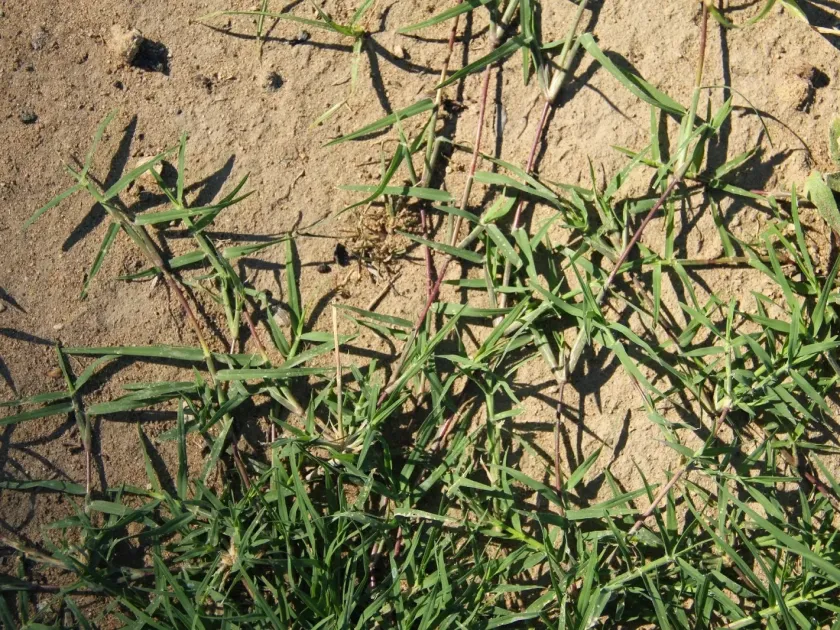
Botanically, the plant spreads via underground rhizomes and surface stolons, creating a tightly interwoven mat of fine leaves. It has adapted to thrive in warm, semi-arid environments where other grass species might struggle due to lack of water or extreme heat.
The culture requires full sun exposure to maintain its characteristic dense appearance and vibrant green color. Shady conditions are strictly avoided, as they lead to thinning of the turf and reduced vigor of the root system.
In terms of soil preference, it thrives in well-draining, sandy-loam environments. It shows a degree of tolerance to saline conditions and poor soils, provided that the essential drainage is maintained to prevent root rot during wet periods.
Cultivation practices involve regular mowing at low heights, which encourages the plant to spread horizontally rather than vertically. Supplemental nitrogen fertilization during the peak growing season is necessary to maintain the health and color of the turf.
Main diseases and pests
The most common disease threats include fungal infections such as dollar spot or brown patch, particularly in areas with poor air circulation and excessive humidity. These pathogens can significantly compromise the aesthetic quality of the lawn.
Pest threats are dominated by soil-dwelling larvae, such as white grubs, which feed on the root system and cause patches of the grass to turn brown and die. In drier regions, sod webworms and mites can also pose a risk to the foliage.
Effective management against diseases involves proper moisture control and regular lawn aeration. Increasing airflow and preventing the accumulation of heavy thatch are key preventive measures for maintaining a healthy and disease-resistant turf.
When chemical intervention is required, selective fungicides and insecticides should be applied according to professional agricultural standards. However, biological control methods and proper fertilization are preferred to maintain long-term environmental sustainability.
Regular maintenance, including removing debris and clippings, helps to reduce the habitat for many potential pests. A consistent maintenance schedule ensures that the plant remains vigorous enough to withstand natural pest and disease pressure.