
Abyssinian cabbage
Crambe hispanica L. subsp. abyssinica (Hochst. ex R. E. Fr.) Prina
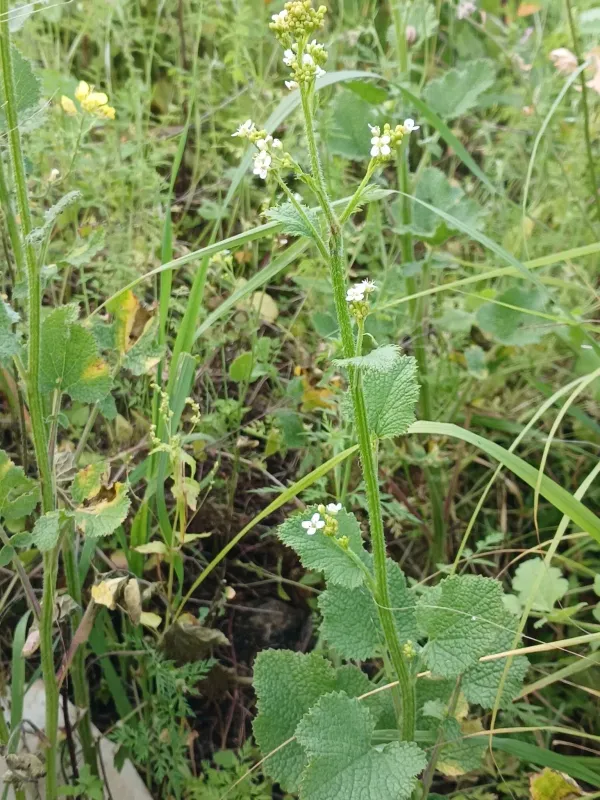
Description
Sowing dates
Abyssinian cabbage is an annual crop, and the timing of sowing depends significantly on the climatic zone and soil temperature. The optimal time to begin field operations is early spring, once the soil has warmed to a temperature of 5–8 degrees Celsius.
The seeds possess high germination energy, which allows for efficient sowing within a narrow time window. Ensuring good soil-to-seed contact with the moist soil layer is crucial for achieving uniform and successful seedling emergence.
Seeding rates are calculated based on the target plant density, which should ideally be around 150–200 plants per square meter to ensure maximum crop productivity and yield potential.
The sowing depth is typically set between 2 and 3 centimeters. Sowing at greater depths can noticeably reduce germination energy, which may lead to sparse stands and a consequent decrease in final grain yield.
After sowing, it is recommended to roll the soil surface to improve capillary water movement toward the seeds. This is especially vital in regions with insufficient precipitation to ensure adequate moisture for initial development.
Growing requirements
Abyssinian cabbage belongs to the Brassicaceae family and is recognized for its high ecological plasticity. The crop prefers well-aerated soils and avoids areas with waterlogging, which can easily trigger root rot and plant stress.
The plant thrives on various soil types, including loams and chernozems, provided that adequate nutrient supply is available. It demonstrates good drought tolerance once the root system is well-established in the soil.
The optimal temperature range for the development of the crop lies between 15 and 25 degrees Celsius. The species exhibits sufficient hardiness to withstand brief spring frosts during its early growth stages.
Throughout the growing season, the crop requires moderate amounts of rainfall, particularly during the phases of active green biomass formation and early flowering. Excessive humidity during ripening can negatively impact seed quality.
For successful growth, Abyssinian cabbage requires adequate light exposure. Shading of the stands leads to etiolation (stretching of stems), weakening of plant immunity, and a subsequent reduction in oil content and total harvest.
Yield
The yield of Abyssinian cabbage varies significantly depending on the cultivation technology, soil fertility, and meteorological conditions of the season. On average, seed yields range from 1.5 to 2.5 tons per hectare.
The primary factor affecting the final yield is the number of productive branches per plant. Agronomic techniques focused on optimizing plant density allow the crop to fully reach its biological potential.
An important productivity metric is the oil content in the seeds, which can reach between 30% and 40%. The use of high-quality certified seed material ensures consistent results in commercial product output.
To increase yields, strict adherence to crop rotation is critical. The crop responds well to mineral fertilizers, especially nitrogen and phosphorus, which stimulate the growth of vegetative organs and reproductive structures.
Timely fertilizing during the rosette and budding stages contributes to an increase in flower count and, consequently, boosts the thousand-seed weight, which correlates directly with the total mass of the collected harvest.
Main diseases and pests
Like most members of the Brassicaceae family, Abyssinian cabbage is susceptible to specific diseases, such as downy mildew, which develops actively under conditions of high air humidity.
Root rots may occur if there are issues with soil drainage or excessive compaction of the topsoil layer. Prevention is mainly achieved through proper field management and the selection of appropriate preceding crops.
Pests such as flea beetles pose a significant threat during the stage of the first true leaves. Severe infestations may necessitate the rapid application of insecticides to protect young seedlings from extensive damage.
The rape blossom beetle can also cause substantial harm to the crop by damaging buds and reducing the number of fertile pods. Monitoring pest populations during flower cluster formation is a mandatory procedure for farmers.
Timely implementation of integrated plant protection programs, combining agronomic control methods and economically justified pesticide application, allows for minimizing losses and protecting the final harvest.
Harvesting
Harvesting Abyssinian cabbage is performed in the stage of full maturity, when the seeds acquire their characteristic color and the moisture content drops to 10–12%. It is essential to avoid delayed harvesting to prevent seed shattering.
The most common method used is direct combining. Modern harvesting equipment enables this process to be carried out with minimal losses, provided the threshing and separation mechanisms are adjusted correctly for the crop.
In conditions where plant parts ripen unevenly, preliminary desiccation may be required. This technique helps to synchronize the crop maturation and accelerates the drying of the stems prior to the harvest process.
The harvested mass must be sent immediately for cleaning and primary drying. Abyssinian cabbage seeds are sensitive to high moisture during storage, which can lead to self-heating and the loss of both seed quality and commercial value.
Storage of the collected harvest should be managed in dry, well-ventilated warehouse facilities. Maintaining optimal humidity and temperature conditions guarantees the preservation of high-quality industrial oil extracted from the seeds.