
Sea kale
Crambe maritima L.
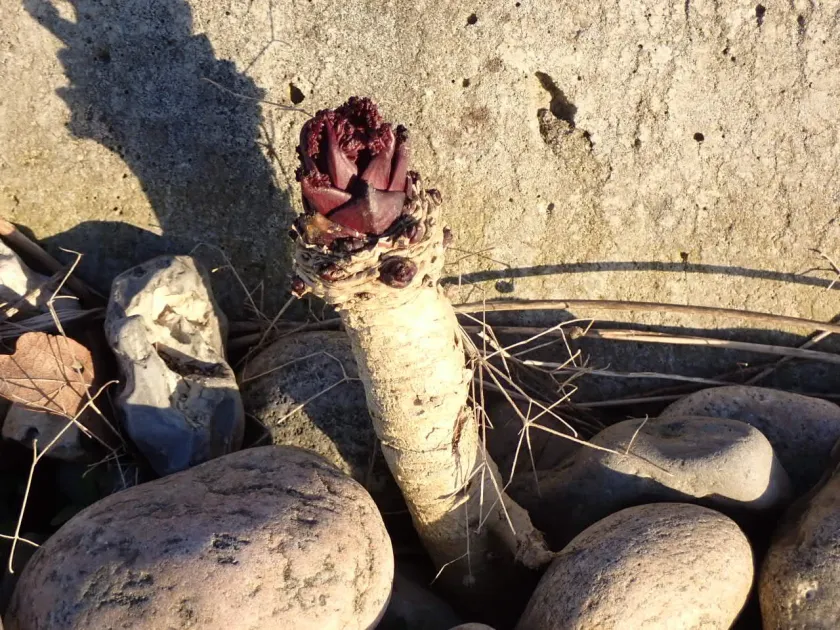
Description
Sowing dates
Sea kale (Crambe maritima) is a perennial herbaceous plant belonging to the Brassicaceae family. Naturally occurring along coastal regions, it has developed a high level of resilience to harsh environmental conditions, making it a unique and hardy agricultural crop.
Propagation is typically achieved through seeds, which should be sown in late autumn or early spring after a period of stratification. Seedlings generally emerge when soil temperatures range between 5 and 8 degrees Celsius, with the optimal growth occurring between 15 and 20 degrees.
Due to the hard seed coat, pre-sowing treatments like soaking or scarification are recommended to improve germination rates. Rows should be spaced 60 to 70 centimeters apart to provide sufficient room for the plant to establish its robust root system.
The plant develops a deep, fleshy taproot that is the primary edible portion of the crop, valued similarly to horseradish. Providing loose, well-tilled soil to a depth of at least 30 to 40 centimeters is essential for producing high-quality, straight roots.
During the first year, sea kale focuses on developing a strong foliage rosette. The harvesting of marketable roots typically begins in the second or third year of cultivation. The plant is exceptionally cold-hardy and can withstand significant winter freezes without additional protection.
Growing requirements
Sea kale thrives in full sun and requires well-ventilated locations to prevent fungal issues. It is highly sensitive to waterlogging, necessitating light, sandy, or well-drained loamy soils with deep topsoil to ensure healthy development.
Neutral to slightly alkaline soil is ideal for this crop. It is highly susceptible to diseases common to the Brassicaceae family if grown in acidic conditions, making soil pH management a critical aspect of successful agricultural production.
While the deep taproot provides significant drought tolerance, consistent moisture during the growing season is necessary for premium root quality. Moderate irrigation is recommended, especially while the leafy rosettes are expanding during the warmer months.
Incorporating organic matter, such as well-rotted compost, during soil preparation is highly beneficial. Sea kale responds well to balanced phosphorus and potassium fertilization, which strengthens the root structure and improves overall yield stability.
Crop rotation is vital to avoid soil-borne pathogens. Sea kale should not be planted following other cruciferous crops like cabbage, radish, or mustard. Good predecessors include cereals, potatoes, or legumes to break the cycle of common pests and diseases.
Yield
The primary economic value of sea kale lies in its fleshy, blanched, or harvested roots, which offer a unique flavor profile similar to horseradish but with a finer, more tender texture. Additionally, the young blanched shoots are considered a gourmet vegetable delicacy.
Commercial production yields a stable harvest of roots suitable for fresh market or specialized food processing. These roots are rich in Vitamin C, natural sugars, and glucosinolates, making them a nutritious addition to a diverse diet.
Yield depends heavily on plant age and proper spatial management. By the second year, a well-managed root can weigh between 300 and 500 grams, with further growth and increased weight occurring in the third year under intensive cultivation practices.
Harvesting is usually carried out in the autumn when vegetative growth slows down. Care must be taken during excavation to ensure the roots remain intact, as damage can significantly reduce their quality and shelf life after being moved to storage.
Beyond culinary use, sea kale is recognized for its health-promoting properties, including potential appetite-stimulating effects. The essential oils present in the plant contribute to its characteristic pungency and known antimicrobial properties.
Main diseases and pests
The main threats to sea kale are the common pests of the Brassicaceae family. Flea beetles are particularly destructive to young seedlings, often requiring early intervention to prevent significant stand loss during the initial weeks of growth.
Cabbage root fly larvae can cause severe damage by feeding on the root system, which can weaken the plant and lead to rot. Implementing spatial isolation from other brassica crops is one of the most effective management strategies to mitigate these risks.
Clubroot is the most serious fungal threat to the crop, causing deformed roots and stunted growth. Maintaining the correct soil pH through liming and practicing strict crop rotation are the primary defenses against this persistent soil-borne disease.
Powdery mildew may occur on the foliage during periods of high humidity and heat. Ensuring adequate spacing and good airflow within the field are essential cultural practices to keep disease pressure low without frequent fungicide use.
If chemical control is necessary, it must be performed using approved products specifically labeled for use on root vegetables, strictly adhering to pre-harvest intervals to ensure safety and prevent residue accumulation in the harvested product.
Harvesting
Harvesting should be conducted in dry weather, typically throughout October. By this time, the plant has completed the translocation of nutrients from the leaves to the root system, ensuring maximum quality and storage potential.
Professional harvest tools, such as digging forks or specialized undercutters, are used to lift the roots from the soil. Clean extraction is critical, as root breakage can lead to rapid moisture loss and susceptibility to post-harvest decay.
Once lifted, the roots are cleared of soil, the foliage is trimmed, and they are allowed to air-dry in a cool, shaded environment. This curing phase helps seal the root surface, improving longevity during cold storage.
Storage requires a cool, high-humidity environment with temperatures maintained between 0 and 2 degrees Celsius. Packing the roots in moist sand helps prevent dehydration and inhibits the growth of pathogens, allowing for long-term supply.
Selection of harvest material is an important final step: standard roots are sent for processing, while the most vigorous and disease-free specimens are often retained as mother plants to produce high-quality seeds for future sowing seasons.