
Hemp
Cannabis sativa L. subsp. sativa
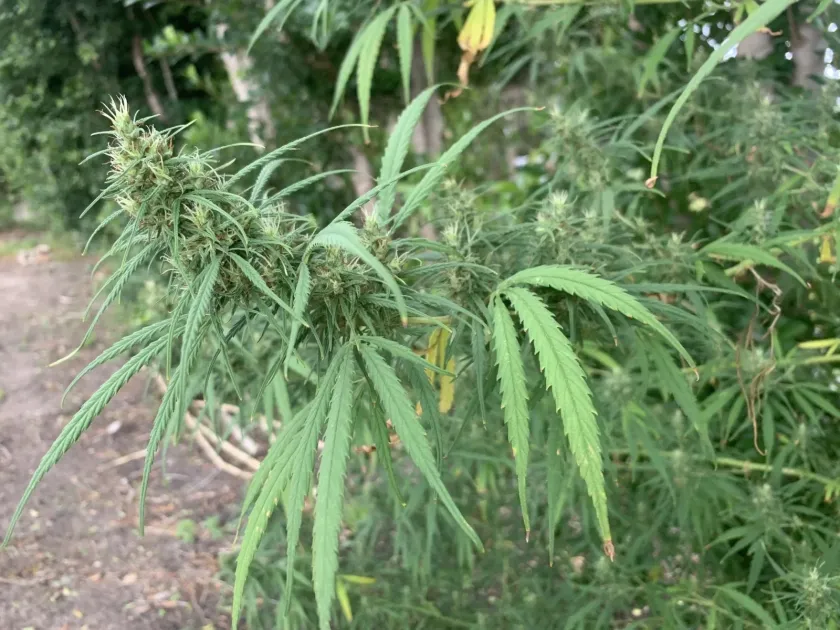
Description
Sowing dates
Industrial hemp is considered an early-season crop, as it requires adequate soil moisture for successful germination and early vegetative development.
Sowing typically commences in late spring when soil temperatures at a depth of 8–10 cm reach a stable 8–10°C, ensuring uniform emergence.
Early sowing in cold soil must be avoided to prevent seed rot and poor establishment, while late sowing risks desiccation in the upper soil profile.
The seeding rate is determined by the intended purpose: higher densities are utilized for fiber production to encourage thin, tall stems, whereas lower densities favor seed production.
Proper seed placement depth is usually between 3 to 5 cm, allowing the seedling to emerge efficiently without exhausting stored energy reserves.
Growing requirements
Cannabis sativa L. subsp. sativa belongs to the Cannabaceae family and is an annual broadleaf plant with a taproot system reaching deep into the soil.
Hemp thrives in fertile, well-drained loamy soils with a near-neutral pH level, avoiding waterlogged conditions that can easily suffocate the root system.
The crop is highly responsive to balanced fertilization, requiring significant nitrogen during the rapid vegetative growth stage to maximize biomass accumulation.
Hemp is a long-day plant that requires sufficient sunlight to reach its full height and quality potential throughout the long summer days.
Environmental conditions should be temperate; while hemp is resilient, extreme drought or prolonged flooding can significantly compromise the final quality of the fibers.
Yield
The yield of industrial hemp is heavily dependent on the chosen variety, site-specific soil fertility, and management practices employed during the season.
Fiber hemp yields typically range between 6 to 10 tonnes of dry biomass per hectare, depending on optimal plant density and stand uniformity.
The fiber content generally comprises 20–25% of the total stem weight, providing a reliable source for the textile and pulp industries worldwide.
Seed-oriented cultivation focuses on harvesting mature grains, with yields typically ranging from 800 to 1,200 kg per hectare in well-managed production systems.
Weed control is critical during the first few weeks of growth, as slow initial establishment can lead to severe competition and reduced overall crop yields.
Main diseases and pests
Fusarium wilt and gray mold (Botrytis) represent the most common fungal diseases, thriving in conditions of high humidity and poor field aeration.
Powdery mildew can impact the foliage quality, particularly in dense stands where air circulation is limited throughout the middle and late growing stages.
Hemp flea beetles represent a primary early-season pest that can decimate young seedlings if not monitored immediately after emergence.
Cotton bollworm and various other Lepidoptera larvae can inflict significant damage on both leaves and developing seeds, leading to yield losses.
Integrated pest management strategies, including crop rotation and the use of resistant varieties, are essential to minimize chemical reliance in hemp production.
Harvesting
Harvesting for fiber occurs at the beginning of the flowering stage, ensuring the fibers are pliable, strong, and of high commercial value for industry.
Specialized harvesting machinery is used to cut, swath, or bale the stems, which are then left to field-ret or processed directly depending on the required output.
For seed harvesting, the crop must reach full physiological maturity, identifiable by the hardening of the grain and the distinct color change of the seeds.
Combines used for harvesting seeds must be carefully adjusted to prevent crushing the grains while ensuring effective separation from the plant stalks.
Post-harvest processing involves decortication to separate the outer bast fibers from the inner woody core, known as hurd, for diverse industrial applications.