
Hemp
Cannabis sativa L. subsp. indica (Lam.) E. Small & Cronquist
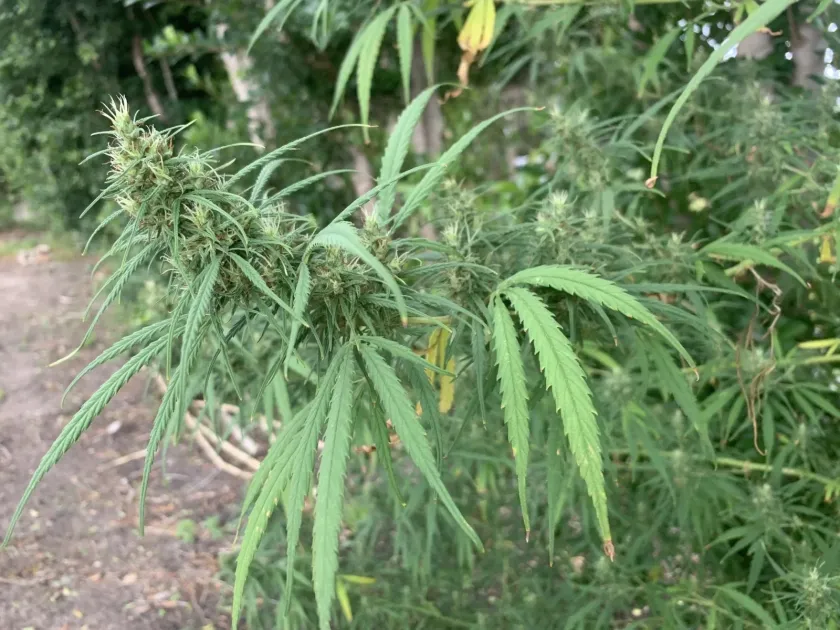
Description
Sowing dates
Hemp (Cannabis sativa L.) is a herbaceous annual plant belonging to the Cannabaceae family. It is known for its rapid growth and high biomass production potential.
Sowing should take place when the soil temperature at planting depth consistently reaches 8 to 10 degrees Celsius, ensuring optimal conditions for germination.
Seeding rates are determined by the intended end-use of the crop. Higher densities are used for fiber production to encourage thin, straight stems, while lower densities are favored for seed production.
Proper seed placement depth is typically between 2 and 4 centimeters. Adjustments are necessary depending on soil moisture levels to ensure uniform seedling emergence.
Firming the seedbed after planting using a roller is a recommended agronomic practice to improve capillary moisture transport to the seeds, facilitating a strong start.
Growing requirements
The crop performs best in fertile, well-drained loamy soils with a neutral pH. It is highly responsive to organic matter and rich nutrient profiles in the soil.
Water requirements are significant throughout the vegetative growth phase. Drought stress during the stem elongation period can drastically reduce final fiber quality and yield.
Hemp is a long-day plant, meaning its flowering cycle is triggered by light duration. Understanding the photoperiodic response is crucial for selecting the right varieties.
Warm conditions are preferred for rapid growth, with an ideal temperature range between 18 and 25 degrees Celsius. Extreme heat or late frosts can damage the crop.
Nitrogen is essential for biomass development, but it must be balanced with adequate phosphorus and potassium to maintain stem structural integrity and crop health.
Yield
Industrial hemp can yield between 6 and 10 metric tons of dry stems per hectare, depending on soil quality, climatic conditions, and the specific variety planted.
Seed production yields generally range from 0.8 to 1.5 tons per hectare. High-yielding varieties are selected based on their specific genetic ability to produce uniform, viable seeds.
Fiber quality is directly correlated with plant population density. High-density stands inhibit branching, resulting in longer and more consistent fiber strands.
Effective weed management in the first 4 to 6 weeks is the primary factor in maximizing yields, as the crop is initially slow to establish a full canopy.
Crop rotation plays a vital role in sustaining yields. Rotating hemp with wheat or legumes helps maintain soil fertility and breaks the cycle of soil-borne diseases.
Main diseases and pests
The hemp flea beetle is a common pest that targets young seedlings, often necessitating protective measures during the early stage of development.
Fusarium wilt is a major fungal threat that can lead to vascular discoloration and plant death, particularly in waterlogged or poorly drained fields.
Alternaria leaf spot can diminish photosynthetic capacity and overall vigor, typically appearing in cool, humid conditions during the mid-to-late growth stages.
Integrated Pest Management (IPM) strategies, including the use of certified healthy seeds and early scouting, are effective in minimizing the impact of these threats.
Maintaining balanced nutrition and preventing soil compaction are key agronomic practices that strengthen the plants' natural resistance to common pathogens.
Harvesting
The timing of harvest depends strictly on the end-use. For fiber, the crop is typically harvested during the early flowering stage to ensure the highest quality of bast fiber.
Seed harvest occurs when the seeds reach maturity, indicated by a firm texture, a darker color, and the onset of natural senescence in the lower leaves.
Mechanized harvesting utilizes specialized equipment to cut and windrow the hemp. This allows for uniform field drying and separation of the biomass.
Retting is a critical post-harvest process where the stems are left on the field to allow microbial and environmental action to loosen the fibers from the core.
Proper post-harvest drying is essential to prevent mold growth. Seed must be dried to a low moisture content before storage to maintain oil stability and viability.