
Ashitaba
Angelica keiskei (Miq.) Koidz.
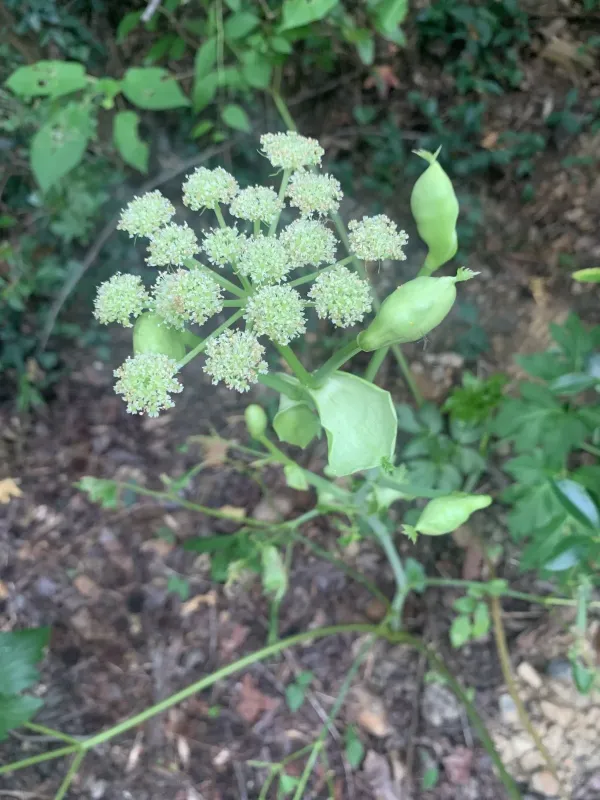
Description
Sowing dates
Ashitaba seeds have a relatively low germination rate if stored for long periods, so it is highly recommended to use fresh seeds. The ideal sowing time is early spring once soil temperatures reach 10–12 degrees Celsius.
For regions with shorter growing seasons, starting seeds in seedling trays in late February is recommended. This provides young plants with a head start before being transplanted into the open garden.
Plant seeds at a depth of approximately 1 centimeter. Maintain consistent soil moisture throughout the germination period, which typically takes between two to four weeks depending on ambient temperature.
When planting in open fields, maintain a row spacing of at least 50–60 centimeters. Individual plants should be spaced about 40 centimeters apart to allow sufficient airflow and room for the leafy rosettes to expand.
Cold stratification of seeds for two weeks prior to sowing can significantly improve germination uniformity. This practice helps ensure a robust and even stand, which is crucial for successful commercial or garden production.
Growing requirements
Ashitaba, scientifically known as Angelica keiskei, belongs to the Apiaceae family. It is a perennial herbaceous plant native to the coastal regions of Japan, renowned for its unique health-promoting compounds.
The plant thrives in partial shade. Direct, intense sunlight during the hottest part of the day can cause leaf scorch and inhibit healthy growth, making shaded or filtered-light areas ideal for cultivation.
Soil quality is paramount; Ashitaba requires loose, well-draining soil rich in organic matter. Avoid heavy clay soils that retain excessive water, as this species is highly susceptible to root rot in saturated conditions.
An optimal soil pH for Ashitaba ranges from 6.0 to 7.0. Incorporating well-composted manure into the planting site and mulching the base helps maintain soil structure and provides necessary nutrients throughout the growing season.
The plant prefers moderate climatic conditions with high humidity. It grows best in temperatures between 15 and 25 degrees Celsius, though it demonstrates some hardiness in cooler, frost-free temperate climates.
Yield
Harvesting for commercial or personal use focuses on the leaves and stalks. The first harvest should ideally wait until the second year, allowing the plant to establish a mature root system and a large leafy rosette.
With proper management, the plant can produce multiple harvests within a single season. It is vital to never remove more than 30% of the foliage at one time, as this preserves the plant's energy reserves for regrowth.
Annual yields vary based on soil fertility and climate. Under intensive cultivation practices, a well-maintained field can produce approximately 15–20 tons of fresh leaves per hectare annually.
The unique chalcones, for which Ashitaba is prized, are most concentrated in the young leaves and stems. Regular harvesting encourages the continuous production of fresh, nutrient-dense growth throughout the season.
A single planting of Ashitaba typically remains productive for 3 to 5 years. After this period, the plant's vitality often declines, and the planting should be renewed to maintain consistent quality and output.
Main diseases and pests
Common pests affecting Ashitaba include aphids and spider mites, which can proliferate rapidly in dry or poorly ventilated environments. Regular monitoring of the underside of leaves is recommended to detect early infestations.
Root rot is the most significant disease threat, typically caused by overwatering or poor soil drainage. If foliage appears wilted or yellowed despite adequate watering, soil moisture levels should be checked immediately.
Powdery mildew may occur in areas with high humidity and stagnant air. Proper spacing between plants is essential to ensure adequate airflow, which acts as a primary preventive measure against fungal pathogens.
When pest control is necessary, biological or organic methods should be prioritized, as the leaves are typically consumed raw. Avoid synthetic chemical pesticides that leave harmful residues on the edible foliage.
Slugs and snails are also potential threats to young, tender plants. Installing barriers or using natural deterrents can effectively protect young seedlings from damage during their most vulnerable growth stages.
Harvesting
Harvesting is performed by hand using sharp shears or a knife. Select the most mature, outer leaves while carefully avoiding damage to the central growth point, which is necessary for continued foliage production.
The optimal time for harvesting is early morning, when the plant is fully turgid and hydrated. Freshly harvested leaves should be moved to a cool environment immediately to prevent wilting and degradation of quality.
For storage, keep harvested leaves at a temperature of 1–4 degrees Celsius. Proper refrigeration can keep the leaves fresh and nutrient-dense for up to one week after harvesting.
For long-term storage or processing, leaves can be dried in a dark, well-ventilated space. Keep drying temperatures below 40 degrees Celsius to preserve the heat-sensitive nutritional compounds, specifically the plant's unique chalcones.
In large-scale operations, mechanical harvesting can be used, provided the equipment is calibrated to leave the crown intact. Maintaining the integrity of the plant's base is essential to ensure future harvests and long-term sustainability.