
Angelica pubescens
Angelica pubescens Maxim.
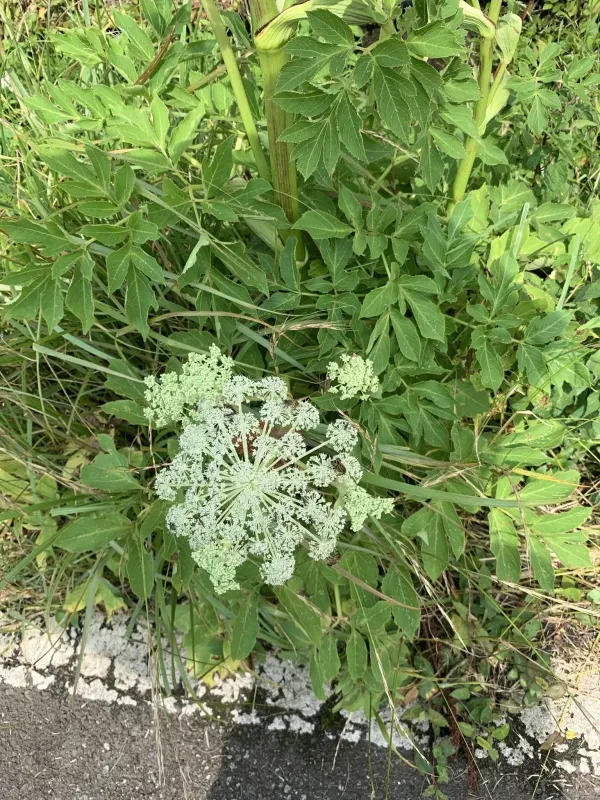
Description
Sowing dates
Angelica pubescens, commonly known as pubescent angelica, is a member of the Apiaceae family. It is a perennial herbaceous plant valued for its thick, aromatic roots, which are widely utilized in traditional pharmaceutical practices.
The cultivation process typically begins with seeding in either late autumn or early spring. Seeds require a period of stratification to break dormancy; therefore, autumn planting is often preferred to mimic natural environmental cycles.
When planting in spring, it is crucial to cold-stratify the seeds for several weeks before sowing. Seeds should be planted at a shallow depth of approximately 1-2 centimeters, as they are light-dependent for optimal germination.
Germination is slow, and maintaining consistent soil moisture is essential for the successful establishment of seedlings. Once the plants develop true leaves, spacing should be adjusted to 30-40 centimeters to ensure adequate airflow.
This species is highly hardy and can thrive in various temperate climates. In its first year, the plant primarily focuses on developing a robust basal rosette of leaves before progressing to further growth stages.
Growing requirements
Successful cultivation requires fertile, well-draining loamy soil with a high content of organic matter. The plant is sensitive to waterlogging, making proper drainage systems essential for preventing root decay in heavy soils.
Full sun to partial shade is ideal for Angelica pubescens. While it prefers sunny locations, it can benefit from light shading during the peak of summer in hotter climates to prevent wilting and stress.
Regular irrigation is vital during the growing season, particularly when the plant is establishing its root system. A lack of moisture can trigger premature bolting, which reduces the overall quality and pharmacological potential of the roots.
The soil pH should be maintained near neutral. If the soil is too acidic, applying agricultural lime can help optimize nutrient uptake and improve the structural health of the plant.
Weed control is critical during the plant's early development. Because Angelica pubescens grows slowly at the start, competition from invasive weeds can severely stunt its development and decrease final harvest yields.
Main diseases and pests
Aphids are among the most common pests that affect pubescent angelica. These insects feed on the succulent parts of the plant, including the stems and leaves, often leading to leaf curl and reduced plant vigor.
Fungal diseases, such as powdery mildew and gray mold, pose a significant threat, especially in humid conditions or where planting density is too high. Proper spacing is one of the most effective preventive measures against these pathogens.
Root rot can occur if the soil structure is poor or if water stagnation is persistent. This condition is often fatal to the plant, as the root system is the primary part targeted for harvest and medicinal production.
Integrated pest management, including the use of beneficial insects and biological fungicides, is recommended to minimize chemical residues. Regular field monitoring is essential to catch early signs of infestation.
Crop rotation should be strictly practiced to prevent the buildup of soil-borne pathogens. Avoiding the planting of Angelica pubescens in the same area for multiple consecutive years is a key agronomical practice.
Harvesting
The harvest cycle for Angelica pubescens usually spans two to three years. The roots reach their peak concentration of active chemical compounds by the end of the second year, making this the ideal time for extraction.
Harvesting is performed in late autumn after the foliage has begun to die back. The roots are carefully dug, washed to remove soil, and prepared for processing by removing any lateral fine roots that are of lower quality.
Drying must be conducted under controlled temperatures, typically below 50 degrees Celsius. Excessive heat during the drying phase will cause the loss of essential volatile oils, significantly lowering the market value of the product.
Once dried, the roots should be stored in a cool, dry, and well-ventilated area. Using moisture-proof containers helps preserve the aromatic profile and potency of the roots for longer periods.
The primary commercial use of Angelica pubescens is as a potent ingredient in herbal extracts, powders, and teas. Proper post-harvest handling ensures that the final product meets the standards required by the pharmaceutical industry.