
Angelica acutiloba
Angelica acutiloba (Siebold & Zucc.) Kitag.
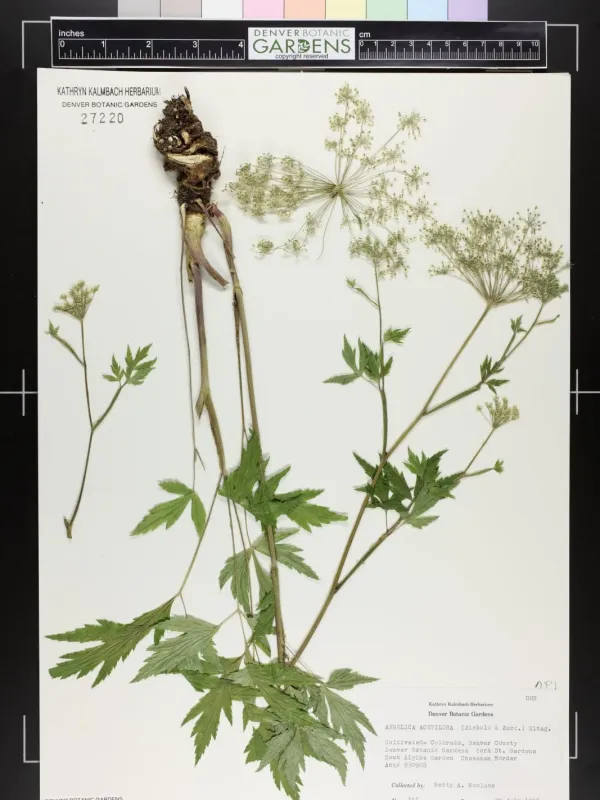
Description
Sowing dates
Sowing of Angelica acutiloba is typically performed in late autumn, as the seeds require natural stratification to achieve uniform germination. Spring sowing is an alternative, provided the seeds are cold-stratified for at least two months prior to planting.
The crop requires a light, well-aerated substrate for optimal establishment. Seeds should be sown at a depth of 1–2 centimeters, maintaining a row spacing of approximately 45–60 centimeters to provide adequate nutrition area for each plant.
Germination is relatively slow, making early-stage weed control critical for crop success. The ideal temperature range for initial growth is between +10°C and +18°C.
Thinning should be performed once the plants develop 2–3 true leaves. A minimum spacing of 30 centimeters between plants in the row is necessary to ensure the robust development of the taproot system.
Angelica acutiloba belongs to the Apiaceae family. While it is a perennial species, in agricultural practice, it is often cultivated as a biennial crop to maximize the quality and volume of the harvested roots.
Growing requirements
The plant has high moisture requirements and thrives in fertile, loamy, or sandy soils. Soil should be rich in organic matter and maintain a neutral to slightly acidic pH level for optimal nutrient availability.
Angelica acutiloba prefers partial shade, mimicking its natural habitat along moist forest edges and stream banks. Direct, intense sunlight during dry periods can lead to stunted growth and leaf desiccation.
Effective soil drainage is essential, as the crop is highly susceptible to waterlogging, which can lead to rapid root rot. The site should also be protected from strong winds that might damage the tall flower stalks.
Fertilization is primarily provided through organic amendments incorporated during autumn soil preparation. Supplemental mineral fertilizers high in potassium and phosphorus are beneficial during the active growth phase.
The plant is well-adapted to temperate climates and demonstrates excellent cold tolerance. It can successfully overwinter in regions with severe winters, provided there is a sufficient layer of snow for insulation.
Yield
The primary economic product of Angelica acutiloba is the root, where bioactive compounds reach peak concentration at the end of the second year of the plant's life cycle.
Under optimal agronomic conditions, dry root yields typically range from 1.5 to 3 metric tons per hectare. This yield is highly dependent on soil fertility and consistent moisture availability throughout the growing season.
The highest concentration of valuable coumarins and essential oils is obtained when harvesting occurs just before mass flowering, as the plant directs all energy toward root reserves at this stage.
While the foliage can be harvested, it is generally discouraged as it significantly reduces the rate of root development; therefore, the crop management strategy focuses primarily on root biomass.
Product quality is heavily dictated by strict adherence to cultivation schedules, which is vital for meeting the standards required for both pharmaceutical and commercial herbal markets.
Main diseases and pests
Fungal diseases, particularly powdery mildew and various types of root rot, pose the greatest threat to the crop, especially in conditions of high humidity or poor soil drainage.
Common insect pests include aphids and plant bugs, which damage young foliage and flower stalks, reducing the overall vitality and energy efficiency of the plants.
To mitigate disease risks, farmers must implement strict crop rotation cycles and avoid overcrowding, which helps maintain necessary airflow through the canopy.
Preventative applications of biological fungicides at the start of the season help minimize pathogen pressure without compromising the purity of the medicinal root harvest.
Regular weeding and the thorough removal of plant debris during the autumn season are essential practices to eliminate overwintering sites for pests and fungal pathogens.
Harvesting
Harvesting is performed in the autumn of the second year when the foliage begins to yellow and die back, indicating that the plant has completed its nutrient storage cycle.
The roots are carefully excavated, cleaned of soil, and trimmed of minor side-rootlets before undergoing thorough washing in running water to ensure a clean final product.
After washing, the roots are sliced to size and dried. Controlled drying temperatures, not exceeding +40...+45°C, are required to prevent the degradation of volatile essential oils.
In commercial operations, specialized root-harvesting machinery is used to retrieve the roots from depth, minimizing physical damage and loss during the extraction process.
Finished dry raw material should be stored in cool, well-ventilated facilities using light-proof packaging to prevent the degradation of active compounds by UV light and humidity.