
Achyrocline satureioides
Achyrocline satureioides (Lam.) DC.
Description
Sowing dates
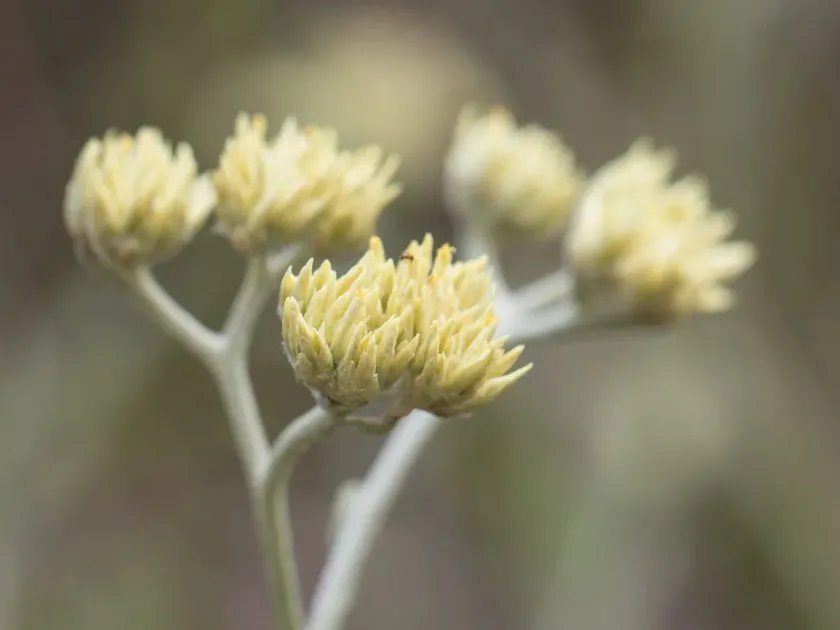
Achyrocline satureioides, popularly known as "macela," is a perennial herbaceous plant belonging to the Asteraceae family. To successfully establish a crop, seeds should be sown in early spring once the danger of night frosts has passed and the soil has warmed up.
The seedling method is considered the most efficient for ensuring high survival rates. Seeds are typically sown in specialized trays or protected greenhouses, and the resulting seedlings are transplanted into the field once they reach a height of 10 to 15 centimeters.
The planting pattern should account for the plant's natural growth habit. A row spacing of at least 50 centimeters is recommended, with 30 to 40 centimeters between individual plants to ensure adequate air circulation and prevent moisture-related issues.
Regular irrigation is vital during the initial weeks following transplantation. Establishing a robust root system early on is critical for the plant's future vigor and its ability to withstand drier conditions throughout the growing season.
Direct seeding in prepared beds is possible but requires rigorous weed control, as the young seedlings of Achyrocline satureioides are highly susceptible to competition for nutrients and sunlight during their early growth stages.
Growing requirements
This crop thrives in well-lit, sunny areas, as it is a characteristic plant of open subtropical environments. Insufficient sunlight will lead to spindly growth and a significant reduction in the accumulation of its essential active compounds.
The plant is not overly demanding regarding soil type, but it performs best in light, well-drained sandy or loamy soils with a neutral or slightly acidic pH. Waterlogging is detrimental to its roots and must be avoided at all costs.
The optimal temperature range for active growth is between +18 and +28 degrees Celsius. While it has some tolerance to cooler weather, the plant requires protection from extreme frost in regions where winters are harsh and prolonged.
Balanced fertilization with phosphorus and potassium is beneficial for strengthening the cell walls and enhancing the plant's overall resilience. Excessive nitrogen fertilization should be avoided as it stimulates vegetative growth at the expense of floral development.
Achyrocline satureioides displays good drought tolerance due to its deep taproot system. However, to achieve maximum yield, maintaining consistent soil moisture during the peak growth phases is recommended.
Yield
The productivity of Achyrocline satureioides is measured by the dry mass yield of its aerial parts, specifically the inflorescences. The crop reaches its peak productivity between the second and third years of cultivation.
Average yields can range from 1.5 to 3 metric tons of dried product per hectare, depending on local agronomic conditions. Proper management and timing of the harvest are the key determinants of total yield and product quality.
The concentration of beneficial metabolites, such as flavonoids and essential oils, is highest during the full bloom stage. Harvesting at the precise moment of maximum flowering is crucial to ensure the pharmacological value of the raw material.
Post-harvest processing involves careful drying in shaded, well-ventilated areas. Maintaining strict control over the drying environment ensures the preservation of the plant's chemical composition and overall marketability.
The commercial lifespan of an Achyrocline satureioides plantation is generally 4 to 5 years. After this period, yields typically decline, necessitating crop rotation and the establishment of new plantations in fresh, fertile soil.
Main diseases and pests
Achyrocline satureioides is generally resilient to many pests and diseases, but it may be affected by fungal infections like root rot in conditions of high soil moisture. Proper drainage is the best preventative measure against these issues.
Pests such as aphids and spider mites can cause damage during dry, hot spells. They feed on the succulent parts of the plant, which can weaken the foliage and decrease the quality of the harvested material.
Foliage-feeding caterpillars may occasionally damage the floral clusters, leading to potential yield losses. Integrated pest management using biological controls is recommended to maintain the ecological purity of the herbal product.
Weed infestation is the primary threat to young plantations. Manual or mechanical weeding is essential, as the crop grows slowly in its early stages and cannot successfully compete with aggressive weed species for resources.
To prevent the buildup of soil-borne pathogens, crop rotation is vital. Avoiding the repeated use of the same plot for Asteraceae species helps maintain a healthy microbial balance in the soil and reduces the risk of specific diseases.
Harvesting
The harvest period typically occurs in late summer or early autumn, coinciding with the phase of full flowering. This is the stage when the plant reaches its highest potential for medicinal efficacy.
Harvesting is performed by cutting the top portions of the stems, including the inflorescences, to a length of 15-20 centimeters. Using sharp, clean tools is imperative to avoid damaging the plant and to promote quick regrowth.
Once collected, the plant material must be transported immediately to the drying facility. Prolonged storage of fresh, damp material in piles leads to heat buildup and significant degradation of volatile compounds.
Drying should be conducted at temperatures not exceeding 40 degrees Celsius in dark, airy environments. This gentle process protects the pigments and active ingredients from degradation caused by heat and direct sunlight.
After the material is fully dried, it should be stored in moisture-proof containers in a cool, dark place. This ensures the longevity of the product and maintains its quality until it is processed for distribution.