
Nicotiana cavanillesii
Nicotiana cavanillesii
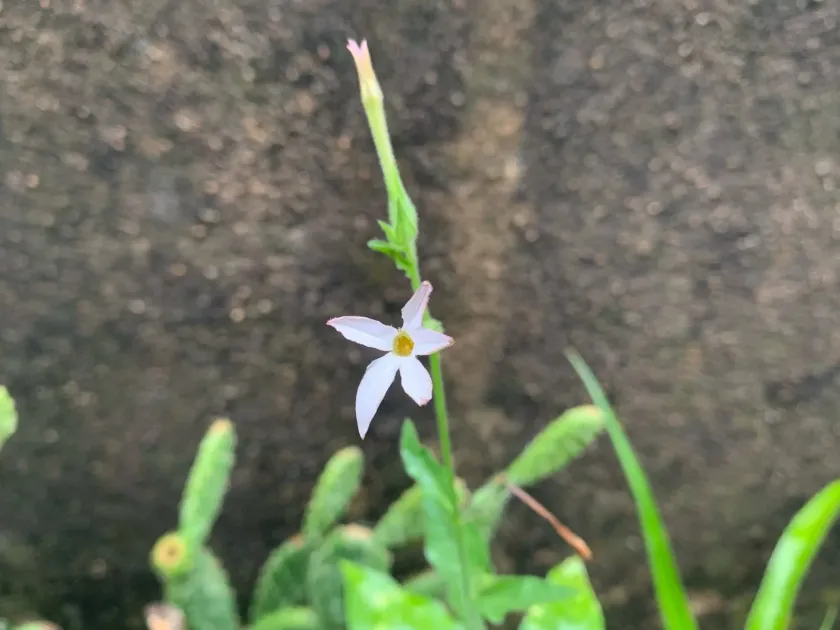
Description
Sowing dates
Sowing of this crop is performed in a protected environment or greenhouse once stable night temperatures consistently exceed 15 degrees Celsius. The seeds are extremely small, requiring surface sowing without deep burial to ensure the light exposure necessary for germination.
For successful germination, the substrate must maintain high humidity levels and excellent aeration. Initial seedlings typically emerge within 10 to 14 days, after which the plants require intensive lighting to prevent etiolation and stem stretching.
Pricking out seedlings is conducted at the stage of two to three true leaves, transferring them into individual containers to foster a well-developed root system. This practice allows the plant to adapt more effectively to transplanting into the open field.
Transplanting seedlings to the permanent growing site is performed after the danger of frost has passed and the soil has warmed to at least 12-15 degrees. Given the bushy habit of the plant, a spacing of 50-60 centimeters between individuals is highly recommended.
Adhering to specific sowing timelines is critical for obtaining high-quality vegetative material, as the full development of Nicotiana cavanillesii requires a long and uninterrupted growing season.
Growing requirements
Nicotiana cavanillesii prefers light, well-draining loamy or sandy soils with a neutral or slightly acidic pH level. The plant is highly sensitive to waterlogging in the root zone, which can lead to severe decay and fungal infections.
The culture is thermophilic and requires open, sunny locations protected from strong, drying winds. Direct solar radiation promotes the accumulation of biological compounds and supports the formation of dense leaf tissue.
During the active growth phase, the plant requires regular but moderate irrigation. Over-saturation of the soil negatively impacts the physiological state of the plant and may diminish the quality of its vegetative mass.
For intensive growth, nitrogen-phosphorus fertilizers are essential, applied in two distinct stages: during the early vegetative phase and at the onset of budding. Balancing micronutrients is vital to prevent leaf edge chlorosis.
Climatic conditions should ideally align with a warm-temperate climate, as sharp temperature fluctuations can induce stress, triggering premature flowering which adversely affects the total yield of the foliage.
Main diseases and pests
Primary threats to this species include sap-sucking pests like aphids and thrips, which multiply rapidly on young foliage. These pests not only deplete plant energy but also act as vectors for viral infections common to the Solanaceae family.
Under conditions of high humidity and poor air circulation, plants are frequently susceptible to powdery mildew. This disease manifests as a white, dusty layer on the leaves, eventually leading to tissue necrosis and reduced vigor.
Root rot and fusarium wilt often arise from improper watering schedules or the use of heavy, poorly aerated soil. Prevention focuses on crop rotation and avoiding planting in areas previously occupied by other Solanaceous species.
Wireworms and cutworms pose a risk to seedling root collars shortly after field transplantation. Consistent weed management and soil cultivation significantly lower the risk of damage from subterranean pests.
Disease prevention involves the application of biological fungicides and the prompt removal of affected leaves. Maintaining a healthy micro-environment is the fundamental prerequisite for the resistance of Nicotiana cavanillesii.