
Great mullein
Verbascum speciosum
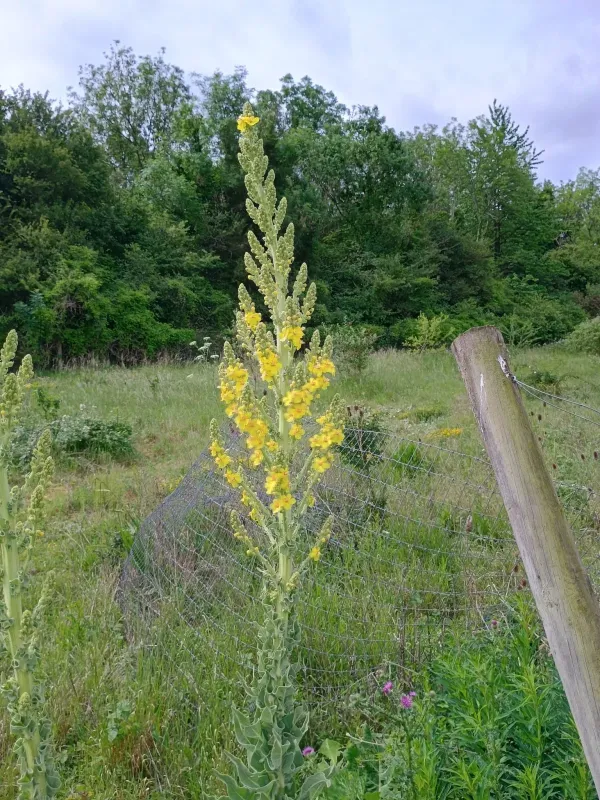
Description
Sowing dates
Great mullein (Verbascum speciosum) is a member of the Scrophulariaceae family. It is a striking biennial or short-lived perennial plant, widely valued for its medicinal properties and ornamental value in landscaping.
Sowing should be performed in the spring (April to May) directly into the soil. Because the seeds are extremely small, they should not be buried deeply; surface sowing or very light covering with sand is optimal.
For container-grown seedlings, start indoors in late winter. Use a light, well-draining soil mix. Maintain a moderate temperature and ensure the seeds have access to light for germination.
Once seedlings have several sets of true leaves, they can be transplanted to their final location. Space plants at least 50 cm apart, as the basal rosette of leaves can become quite large during the first season.
Great mullein often reseeds itself. If you prefer to control the population, deadhead the spent flower spikes before the seed capsules fully mature and dry out.
Growing requirements
This species is highly adapted to full sun. While it can tolerate partial shade, maximum growth and the most impressive floral displays are achieved in direct sunlight.
Soil requirements are relatively low. The plant thrives in poor, dry, and alkaline soils. Excellent drainage is critical, as waterlogged soil during winter is the primary cause of root rot.
Drought tolerance is one of the plant's most significant features. Once established, it requires little to no supplemental watering, even during prolonged dry spells in the summer.
It prefers climates with distinct seasons but is highly frost-hardy. The basal rosette remains green throughout much of the winter, providing foliage interest in temperate gardens.
Avoid heavy fertilizers. High nitrogen levels can cause excessive vegetative growth at the expense of floral development, leading to weaker flower stalks that may topple over.
Yield
The yield of Verbascum speciosum consists primarily of flowers used in herbal medicine. Harvesting occurs throughout the summer as individual blossoms open sequentially along the spike.
Processing requires immediate drying of the flowers. High-quality yield is determined by the speed of dehydration, which preserves the vibrant yellow color and medicinal potency.
Beyond medicinal use, the plant is a productive honey plant, attracting a large number of pollinators, including honeybees and various species of bumblebees.
In terms of seed production, a single plant produces thousands of seeds. This high output makes it very easy to multiply the crop for larger plantations if needed.
Commercial plantations focus on the second-year harvest. Proper spacing and site selection significantly improve the uniformity of the spikes, making manual harvesting more efficient.
Main diseases and pests
The most significant threats to the crop include leaf-eating insects such as caterpillars and beetles. Monitoring should be constant during the early vegetative phase.
Powdery mildew is a common fungal issue in humid environments. Ensuring adequate air circulation between plants is the most effective preventative measure against this disease.
Root rot is the most dangerous condition for mullein. It is caused by poor soil drainage or excessive irrigation, which damages the root crown and leads to plant decline.
Aphids may infest the flower buds during the peak of summer. While they rarely kill the plant, they can distort the flower spikes and reduce the quality of the harvested material.
Implementing integrated pest management (IPM) practices, such as encouraging beneficial predatory insects, helps keep pest populations under control without relying solely on pesticides.
Harvesting
Flowers are harvested manually daily. The best time to pick them is in the morning after the dew has evaporated, as this is when the concentration of bioactive compounds is peak.
Avoid placing harvested flowers in dense bags or piles, as they can heat up and lose quality rapidly. Spread them out on drying racks immediately after collection.
For medicinal purposes, ensure the calyx is removed from the harvested flowers to focus on the petals, which are the main source of the therapeutic constituents.
The basal leaves can also be harvested in the first year for pharmaceutical use. Ensure that the leaves are clean, dry, and free of any soil residue before processing.
After the seeds have matured, cut the entire stalk and shake it over a collection bin. Store seeds in a cool, dry place to maintain their viability for the following season.