
Verbascum sinaiticum
Verbascum sinaiticum
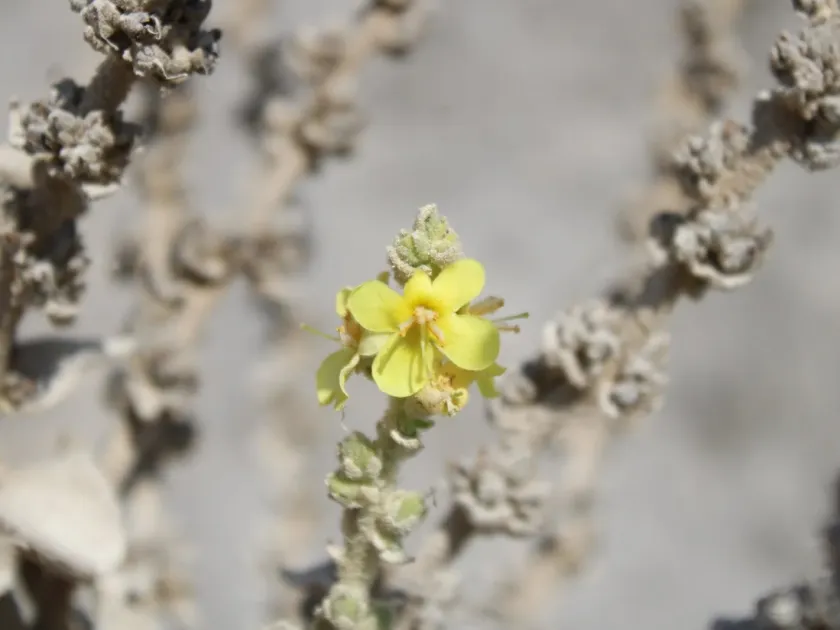
Description
Sowing dates
Sowing Verbascum sinaiticum is best performed in early spring or during the autumn season. The seeds require consistent temperatures between 15 and 20 degrees Celsius to initiate successful germination.
Given the minute size of the seeds, they should be sown on the soil surface and covered only by a thin layer of sand or fine substrate. Burying the seeds too deep often results in failure to sprout.
Maintain row spacing of 40 to 60 centimeters to allow the plant to develop a healthy basal rosette in its first year. Proper distancing is crucial for maximizing light interception and air circulation.
If starting indoors, sow seeds in seed trays approximately 6 to 8 weeks before the last frost. Once seedlings develop their first true leaves, they should be hardened off before moving to the field.
Ensuring constant but light moisture is critical during the initial germination phase. Once established, the root system is highly efficient, allowing the plant to thrive even in drier conditions.
Growing requirements
Verbascum sinaiticum, a member of the Scrophulariaceae family, is a hardy herbaceous plant. It naturally occurs in arid, open landscapes, favoring regions with intense sunlight and minimal rainfall.
The crop thrives in light, well-draining soils, including sandy or stony terrains. It is particularly sensitive to waterlogged conditions, making adequate drainage a non-negotiable requirement for growth.
This species is well-adapted to low-fertility soils and generally does not require intensive fertilization. Excessive application of nitrogenous fertilizers can reduce the plant's natural hardiness and longevity.
Drought tolerance is a defining feature of the Sinai mullein. Once mature, its deep taproot system allows it to withstand prolonged periods without water, making it a sustainable choice for water-scarce areas.
Exposure to full sun is essential for the plant to reach its full potential. Avoid shaded areas, as lack of sunlight can lead to leggy, weak stems and significantly reduced flower production.
Main diseases and pests
Weevils are among the primary pests that damage flower buds, potentially affecting the quality and quantity of the harvest. Regular scouting and early detection are vital for effective pest management.
Powdery mildew can occur in environments with high humidity or stagnant air. Ensuring proper plant density and selecting well-draining soil are the best preventative measures against fungal pathogens.
Aphids may occasionally target the developing flower spikes. Biological control methods, such as encouraging beneficial insects or applying mild soap solutions, are recommended to maintain the crop's safety.
Root rot is typically caused by poor soil drainage and over-irrigation. Always prioritize planting on sites where water does not pool, especially during rainy seasons to protect the plant's health.
Weed control is essential, especially in the early stages of establishment. Regular cultivation between rows prevents competition for water and nutrients, ensuring the crop remains healthy and vigorous.
Harvesting
Harvesting for medicinal purposes focuses on the flower corollas, which should be collected when fully open. Pick the flowers during dry, sunny weather to ensure the highest concentration of active compounds.
Since the inflorescences do not open simultaneously, the harvest must be staggered over several weeks. This practice maximizes the total yield potential of each plant throughout the flowering season.
Immediate processing is crucial; the collected flowers must be dried in a shaded, well-ventilated area or a specialized dryer at temperatures below 45 degrees Celsius to preserve their quality.
Seed harvesting should occur after the seed capsules turn dark brown. Carefully cut the spikes, allow them to finish drying indoors, and then thresh to collect the seeds from the chaff.
Proper storage is essential to maintain the quality of the dried material. Keep the product in airtight containers in a cool, dark, and dry place to prevent degradation and moisture absorption.