
Samnite mullein
Verbascum samniticum
Description
Sowing dates
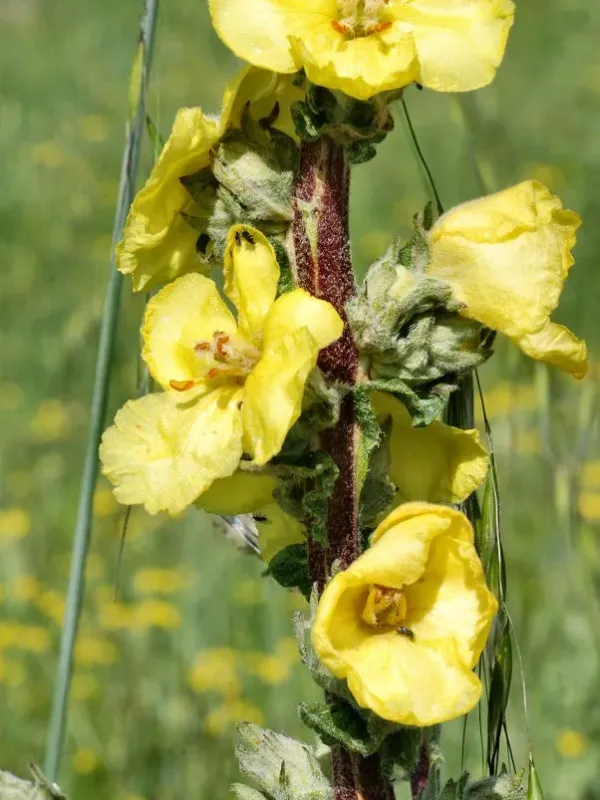
Samnite mullein (Verbascum samniticum) is a member of the Scrophulariaceae family. It is a biennial or short-lived perennial herb widely recognized for its high, slender flower spikes.
Sowing is typically performed in spring or autumn using high-quality seeds. The seeds are very small and must be surface-sown on well-drained, prepared soil as they require light to germinate effectively.
For container-grown seedlings, maintain a moist environment until germination occurs. Once established, thin the plants to ensure a spacing of at least 45 cm for proper development.
The plant spends its first year developing a basal rosette of leaves, storing energy for the dramatic flowering stalk that appears during the second year of growth.
Because the plant readily self-seeds, it often establishes permanent colonies in suitable environments without the need for constant human intervention or replanting.
Growing requirements
Samnite mullein thrives in full sun, making it ideal for open garden borders or meadow-style plantings where light exposure is maximized throughout the day.
The species is remarkably adaptable regarding soil quality, but it performs best in gritty, well-draining soils with a neutral or slightly alkaline pH level.
It exhibits high drought tolerance once established, making it a low-maintenance choice for areas prone to water scarcity or summer heatwaves.
Avoid planting in heavy, waterlogged clay soils, as constant moisture around the crown can lead to root rot, especially during the dormant winter months.
Minimal fertilization is required; generally, a single application of balanced fertilizer in the early spring of the second year is sufficient to support healthy growth.
Main diseases and pests
Slugs and snails are the most common pests for this plant, particularly targeting the young, succulent leaves during damp and rainy weather conditions.
Fungal diseases, including powdery mildew, can manifest as a white film on the foliage when air circulation is poor or humidity levels remain consistently high.
Leaf-eating caterpillars may occasionally cause damage, but typically, these infestations do not threaten the overall survival of a healthy plant.
To mitigate these risks, it is essential to ensure adequate spacing between plants, allowing for proper airflow which significantly reduces the incidence of fungal growth.
Monitoring for pests during the early development stages of the basal rosette is critical to prevent damage before the plant produces its tall flowering stalk.
Harvesting
Medicinal harvest focuses on the yellow flowers, which are carefully hand-picked during full bloom on dry, sunny mornings when the moisture levels are at their lowest.
It is vital to collect only the corollas, avoiding the inclusion of stems or sepals to ensure a higher quality product for traditional use.
Drying must be conducted rapidly in a warm, dark, and well-ventilated space to prevent the flowers from turning dark or losing their essential compounds.
Once dried, the flowers should be stored in opaque, airtight containers, shielded from light and humidity to preserve their shelf life for several months.
Apart from its therapeutic values, the plant remains highly valued in horticulture for its architectural structure and the vibrant vertical color it provides to the landscape.