
Round-leaved mullein
Verbascum rotundifolium
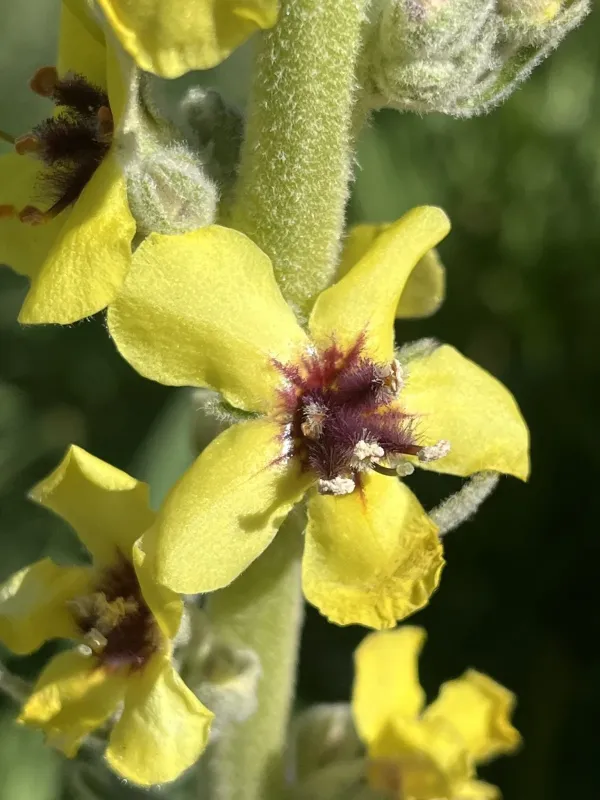
Description
Sowing dates
Round-leaved mullein (Verbascum rotundifolium) is a biennial or perennial herbaceous plant belonging to the Scrophulariaceae family. Its cultivation begins with careful site selection and preparation of the seedbed.
The seeds should be sown in late summer or autumn to naturally mimic the cold period required for germination. If spring sowing is preferred, seeds must be stratified at temperatures between 2 and 5 degrees Celsius for several weeks.
Due to the small size of the seeds, they are sown on the surface and pressed lightly into the soil. Covering them with a thin layer of fine soil or vermiculite is possible, but they must receive enough light to trigger the germination process.
For optimal growth, seedlings should be spaced 40 to 50 centimeters apart. This spacing allows the basal rosette of leaves to develop fully during the first year, providing the energy storage necessary for the vertical growth in the second season.
The establishment phase is generally slow. During the first few months, the focus of the plant is on building a robust root system and a wide rosette of leaves, which will act as the foundation for the upcoming flowering cycle.
Growing requirements
This species thrives in full sun exposure. Adequate light is essential not only for biomass accumulation but also for maintaining the plant's structure and preventing the stems from becoming excessively leggy and weak.
The soil requirements for Verbascum rotundifolium focus on drainage. It prefers light, sandy, or well-drained loamy soils. It cannot tolerate waterlogged conditions, as stagnant water is the primary cause of root rot in this species.
The plant demonstrates remarkable drought tolerance once established. Its hairy leaf structure helps minimize transpiration, allowing it to survive periods of limited rainfall that would be detrimental to other crops.
It is well-adapted to moderate climates and shows good winter hardiness. The rosette stage is capable of surviving freezing temperatures, provided the soil drainage is sufficient to prevent ice formation around the crown.
While it can grow in low-fertility soils, occasional application of phosphorus and potassium-rich fertilizers can significantly improve the quality of the flowering stalks during the active growth phase.
Main diseases and pests
Powdery mildew is a common fungal disease affecting the foliage of the round-leaved mullein. It usually manifests during periods of high humidity and poor air circulation, necessitating better spacing to improve plant health.
Aphids can be problematic during the late spring and early summer when the flower stalks are developing. These pests feed on the nutrient-rich sap of the buds and can severely stunt the development of the inflorescence.
Root rot, specifically caused by overwatering, is the most serious threat to the overall survival of the crop. Ensuring that the site is elevated or has high porosity is the best preventative measure against soil-borne pathogens.
Caterpillars and certain lepidopteran larvae may feed on the leaves, causing irregular holes and significant aesthetic or physiological damage. Monitoring the plants during the early vegetative stage is crucial for early detection.
Effective management includes maintaining a weed-free environment around the base of the plant to reduce competition for resources and to prevent the buildup of pest populations that could migrate to the mullein.