
Hoary mullein
Verbascum pulverulentum
Description
Growing requirements
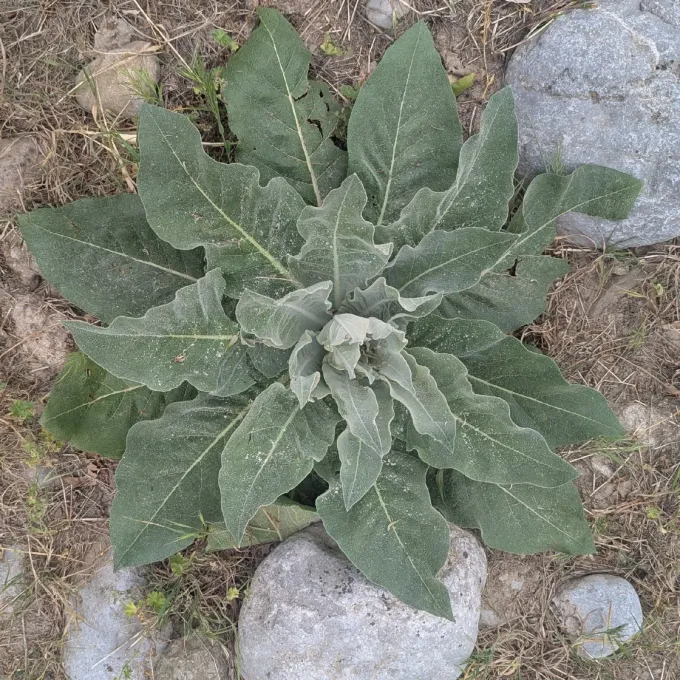
Hoary mullein (Verbascum pulverulentum) is a biennial or short-lived perennial belonging to the Scrophulariaceae family. Its name reflects the powdery, mealy appearance of its leaves and stems, which is a distinctive botanical trait.
The plant originates from Southern and Central Europe, where it is found in dry, sunny, and open habitats. It is highly valued in gardening for its ability to thrive in poor, rocky, or gravelly soils where other plants struggle.
Climate-wise, it requires full sun exposure to flourish. It is exceptionally drought-tolerant once established, thanks to its deep taproot system, making it a perfect selection for low-maintenance xeriscapes.
Soil requirements focus primarily on drainage. While it is not picky about fertility, heavy, waterlogged clay soils will cause immediate decline. Mixing grit or coarse sand into the planting site is highly recommended for longevity.
Horticulturally, it is utilized as an ornamental plant for its striking vertical spikes of yellow flowers. It provides a architectural structure in borders and attracts pollinators, serving as an important nectar source for local insect populations.
Main diseases and pests
Powdery mildew is the most common fungal issue affecting this species. It typically appears during periods of high humidity or poor air circulation, necessitating spacing between individual plants to prevent rapid spread.
Insect pests include various caterpillars that may feed on the foliage. Although the plant is usually robust enough to recover, severe infestations on young seedlings can lead to significant biomass loss.
Root rot is a major threat during the dormant winter months. If the crown of the plant stays wet due to freezing and thawing cycles or standing water, the plant will likely succumb to fungal pathogens.
Slugs and snails can sometimes target young shoots during the early spring growth phase. Using physical barriers or organic bait can help manage these pests without damaging the surrounding ecosystem.
Effective management includes cleaning up plant debris around the crown in late autumn to reduce the habitat for overwintering pests and fungi. Keeping the crown dry is the key to minimizing most pathological risks.