
Verbascum pinnatifidum
Verbascum pinnatifidum
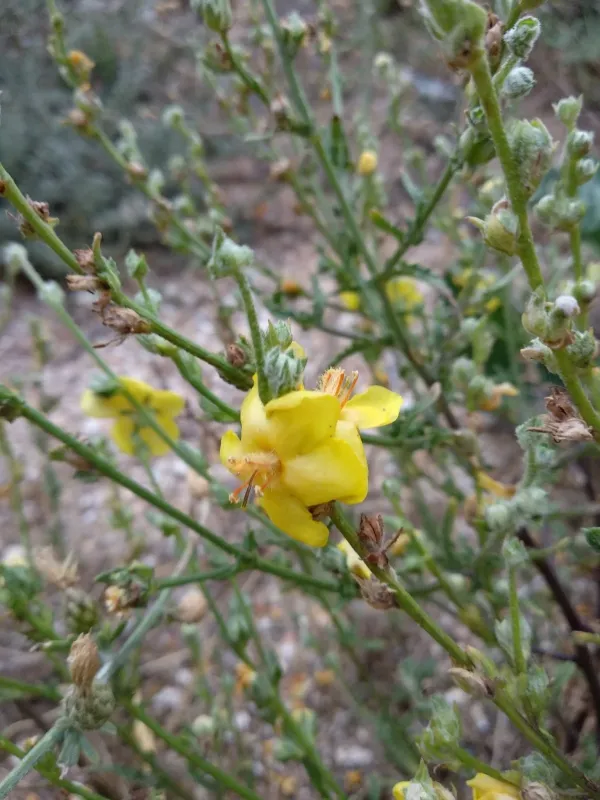
Description
Sowing dates
Sowing Verbascum pinnatifidum seeds is typically performed in spring when soil temperatures reach 10–12 degrees Celsius. Fall sowing is also an option, as it allows seeds to undergo natural stratification, which enhances germination.
Given the extremely small size of the seeds, they should be sown on the surface of the soil with very light compaction. Deep burial inhibits germination and leads to weak seedling development.
Seedlings emerge within three weeks under favorable moisture conditions. It is crucial to maintain consistent moisture in the surface layer during this initial establishment phase.
The recommended row spacing is between 45 and 60 centimeters, ensuring adequate space for plant development and air circulation to prevent foliage diseases.
In the first year, the plant primarily produces a basal rosette of leaves. The main vegetative and generative growth, including the formation of the flower stalk, occurs in the second year.
Growing requirements
Verbascum pinnatifidum, a member of the Scrophulariaceae family, is a sun-loving plant that requires full exposure to direct sunlight for optimal growth and flowering.
The plant is highly adaptable to poor, dry soils but prefers loose, well-drained substrates. Heavy clay soils that retain water must be avoided to prevent root damage.
Drought tolerance is a key characteristic of this species, allowing it to thrive in nutrient-poor, rocky, or gravelly soils where other crops might struggle to survive.
It prefers neutral to slightly alkaline soil pH levels. The plant is hardy and capable of surviving winter temperatures, making it suitable for various climatic zones within its range.
Regular weeding is essential during the early stages of growth, as the plant grows slowly at first and can be easily outcompeted by aggressive weeds.
Main diseases and pests
Powdery mildew is the most common fungal disease affecting this crop, particularly under conditions of high humidity and poor airflow. Fungicides and spacing are the primary control methods.
Leaf-feeding insects, such as caterpillars and beetles, can cause significant damage to the foliage. Monitoring and early intervention with biological controls are recommended.
Root rot occurs in waterlogged soils, which is the primary threat to the health of the plant's root system. Proper drainage is mandatory for successful long-term cultivation.
Aphids may infest the flower spikes during the blooming phase. If infestations are severe, insecticidal soap or specialized biological treatments should be applied.
Nematode infestations can occur if the plant is grown continuously on the same plot. Rotating crops every few years is a vital part of sound agronomic management.
Harvesting
The harvest of the aerial parts (the herb) is conducted during the peak flowering period when the concentration of bioactive compounds is highest.
Drying the harvested material should occur in shaded, well-ventilated areas. Temperatures must not exceed 45 degrees Celsius to preserve the plant's quality and properties.
Seed collection is performed when the seed capsules turn brown but before they crack open. The harvested capsules are then dried further to allow for easy threshing.
Stored raw material must be kept in cool, dry, and dark conditions using paper or fabric containers to ensure the longevity of the chemical constituents.
Post-harvest sanitation involves removing and disposing of plant debris to minimize the buildup of pests and diseases for the subsequent cropping cycle.