
Oval-leaved mullein
Verbascum ovalifolium
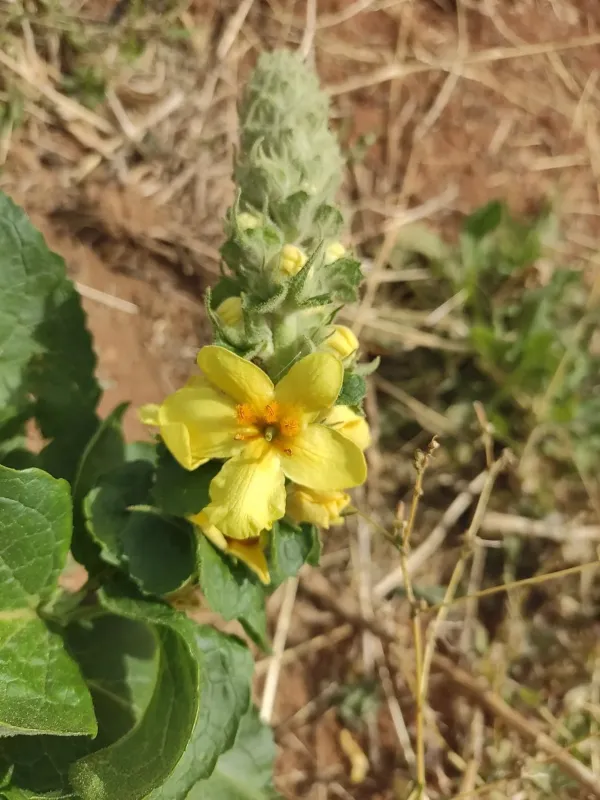
Description
Sowing dates
The oval-leaved mullein is a perennial herbaceous plant belonging to the Scrophulariaceae family. Sowing is typically performed in late autumn or early spring using well-prepared, loose, and aerated soil.
Due to the extremely small size of the seeds, they should be sown near the surface, covered with no more than 1 centimeter of soil. Maintaining consistent moisture during the germination period is essential for successful seedling emergence.
Row cultivation is recommended, with spacing between rows maintained at 45 to 60 centimeters. This structure provides sufficient room for growth and simplifies maintenance operations, such as manual weeding or mechanical hoeing.
In the first year, the plant invests energy into developing a dense basal rosette of leaves. It is crucial to protect these young plants from invasive weeds that might compete for nutrients and sunlight during the early establishment phase.
Thinning is a mandatory procedure to ensure that individual plants have enough space to develop strong root systems. Proper spacing improves air circulation around the rosettes, which significantly reduces the risk of fungal infections.
Growing requirements
This plant thrives in sunny locations with well-drained, sandy, or rocky soils. It is highly intolerant of waterlogged conditions, which can quickly lead to root rot and complete plant failure.
The oval-leaved mullein is known for its remarkable drought tolerance. Once established, it can thrive in arid climates without the need for additional irrigation, making it a low-maintenance crop for dry regions.
The species prefers neutral to slightly alkaline soil conditions but is generally adaptable. It does not require intensive fertilization, as it is well-adapted to nutrient-poor soils typically found in its native habitats.
Sufficient sunlight is the primary requirement for healthy development and high-quality flower production. Shaded areas should be avoided, as they lead to weak, elongated stems and a drastic reduction in active pharmacological compounds.
It displays excellent cold hardiness, allowing it to survive winter temperatures in temperate climates without any special protection. This makes it a reliable perennial option for medicinal herb gardens in various regions.
Yield
The primary economic focus of this crop is the harvesting of its flowers, which are highly valued in the pharmaceutical industry for their medicinal properties. Yield depends on plant density and the maturity of the plantation.
A well-managed plantation can remain productive for several years, usually peaking in the second and third year of growth. Consistent harvesting practices help prolong the productive lifespan of the plants.
Yield is highly dependent on the frequency of flower collection. Regular daily harvesting of freshly opened blossoms prevents seed development and encourages the plant to produce more flower buds throughout the season.
Correct post-harvest handling is critical. Proper drying techniques ensure the flowers retain their bright yellow color, which is a key indicator of quality and the preservation of medicinal active ingredients.
With good crop management, growers can achieve significant annual harvests of dried petals. The product is sought after for its soothing properties, particularly in teas and herbal remedies for respiratory health.
Main diseases and pests
Aphids are the most common pests that infest the plant, specifically targeting the tender flower buds and young shoots. Heavy infestations can significantly decrease the amount of harvestable material.
Fungal diseases, such as powdery mildew, may emerge during particularly humid or wet growing seasons. The characteristic white powdery coating on the leaves can hinder photosynthesis and stress the plant.
Root rot caused by excessive soil moisture remains the most serious threat to the longevity of the plantation. Because the plant is adapted to dry conditions, it lacks natural defense mechanisms against water-saturated roots.
Integrated pest management, emphasizing cultural practices like proper spacing and site selection, is the preferred method of control. Avoiding dense planting is the best strategy for preventing the spread of pathogens.
- Aphids (damaging buds)
- Powdery mildew (fungal foliage disease)
- Root rot (due to poor drainage)
Harvesting
Harvesting is a delicate, labor-intensive process that must be performed by hand. The flowers should be picked only when fully open, and this is best done during the morning hours once the dew has evaporated.
Only the corolla with the stamens is collected, as this part contains the highest concentration of medicinal compounds. It is essential to ensure that the material is free from debris, stalks, or leaves.
Freshly collected flowers are extremely sensitive to oxidation and must be dried immediately after collection. They are typically spread in thin layers in shaded, well-ventilated drying areas or controlled industrial dryers.
Drying temperatures should be maintained between 40 and 50 degrees Celsius to prevent the degradation of heat-sensitive active ingredients. Proper drying results in a brittle, aromatic product.
Once dried, the flowers should be stored in airtight containers away from direct sunlight and moisture. This ensures the potency of the medicinal herb is maintained until it reaches the end user.