
Noble mullein
Verbascum nobile
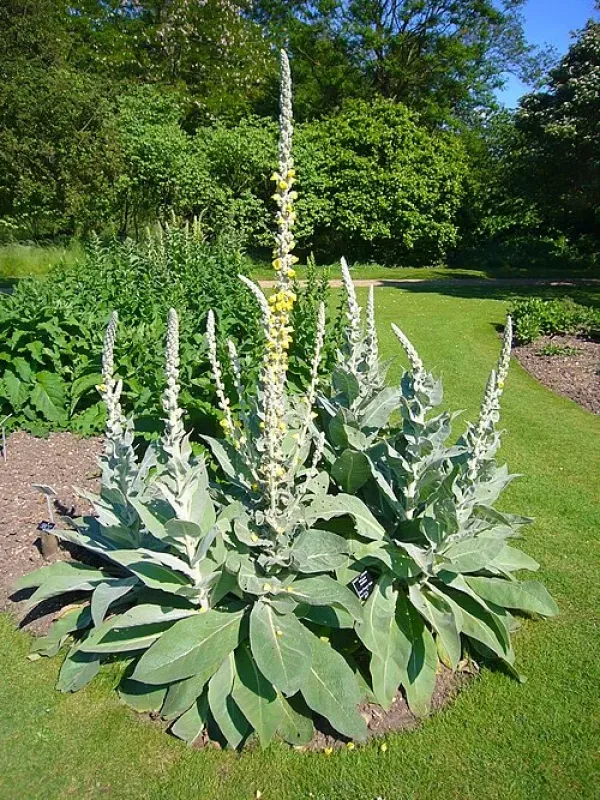
Description
Sowing dates
Sowing of Noble mullein (Verbascum nobile), a member of the Scrophulariaceae family, is typically performed either in late autumn or early spring. Due to the tiny size of the seeds, they should be sown on the surface and mixed with sand to ensure even distribution.
Proper contact with moist soil is essential for high germination rates. The optimal temperature for emergence is between +18 and +20 degrees Celsius, and the crop displays remarkable resilience to temperature fluctuations during its early growth stage.
The plant is essentially a biennial: in the first year, it develops a rosette of basal leaves, while in the second year, it produces a tall flower stalk. Spring sowing requires regular watering until the seedlings are fully established.
To ensure adequate development, a row spacing of 50–60 centimeters is recommended. This allows for sufficient air circulation and light penetration, which are vital for the formation of healthy flower stalks.
Thinning the seedlings should occur at the two-to-three leaf stage, leaving an interval of 30–40 centimeters between plants to promote robust growth and prevent competition for nutrients.
Growing requirements
Noble mullein thrives in open areas with full sun exposure. Shady environments are detrimental to the plant, causing the stems to become leggy and reducing the concentration of active medicinal compounds.
The culture is undemanding regarding soil fertility, but it performs best on light, well-drained sandy or loamy soils with a neutral or slightly alkaline pH level.
Heavy, waterlogged, or acidic soils increase the risk of root rot; therefore, selecting a site with excellent drainage is crucial for successful commercial production of this plant.
Thanks to the dense hairs covering the leaves, the plant is highly drought-tolerant, effectively reducing transpiration. Supplemental irrigation is only necessary during extreme droughts during the active growth period.
Fertilization should be kept to a minimum; a light application of phosphorus and potassium-based fertilizers at the start of the second year is usually sufficient to support prolific flowering.
Yield
The primary economic value of Noble mullein lies in its flowers, which are widely utilized by the pharmaceutical industry for their expectorant and anti-inflammatory properties.
Yield depends heavily on environmental conditions and the strict adherence to harvesting protocols. With proper maintenance, a significant volume of high-quality flowers can be harvested per hectare.
Harvesting is performed incrementally as flowers open. Since each flower has a short lifespan, this process requires intensive manual labor during the peak flowering season in the summer months.
Quality control is centered on the drying process, which should be performed at temperatures not exceeding 40 degrees Celsius in a shaded, well-ventilated area to maintain pharmacological activity.
The finished product is evaluated by its bright yellow color and the absence of residual moisture, which prevents spoilage and maintains the long-term quality of the medicinal material.
Main diseases and pests
The most significant pest is the mirid bug, which causes damage to flower buds and reduces the market value and medicinal efficacy of the harvested raw material.
In conditions of high humidity, leaves can be susceptible to powdery mildew, characterized by a white fungal growth that hinders photosynthesis and slows the development of the plant.
The root system may suffer from wireworm infestations, particularly when cultivated in fields previously used for perennial grasses, necessitating thorough soil preparation.
Preventative measures against diseases involve strict crop rotation and the prompt removal of crop residues, which can act as a reservoir for pathogens in subsequent growing seasons.
Chemical control must be applied with extreme caution, as the plant is a significant honey source that attracts numerous pollinators, including bees and bumblebees.
Harvesting
Successful harvesting of Verbascum nobile requires collecting only the corollas with stamens, excluding the stalks, as these parts contain the highest concentration of mucilage and saponins.
Harvesting should occur in the morning after the dew has evaporated, as moisture on the petals can cause them to darken and lose their medicinal quality during the drying phase.
Harvested materials must be placed in a single layer on drying racks in an area with constant airflow, which prevents the build-up of humidity and subsequent degradation of the harvest.
Frequent turning of the petals during the drying process ensures uniform dehydration and prevents clumping or heating, which are common causes of loss in raw material quality.
Once dried, the flowers should be stored in airtight, light-protected containers in a dry facility, as the dried material is highly hygroscopic and will absorb atmospheric moisture rapidly.