
Verbascum hybrid
Verbascum hybrids
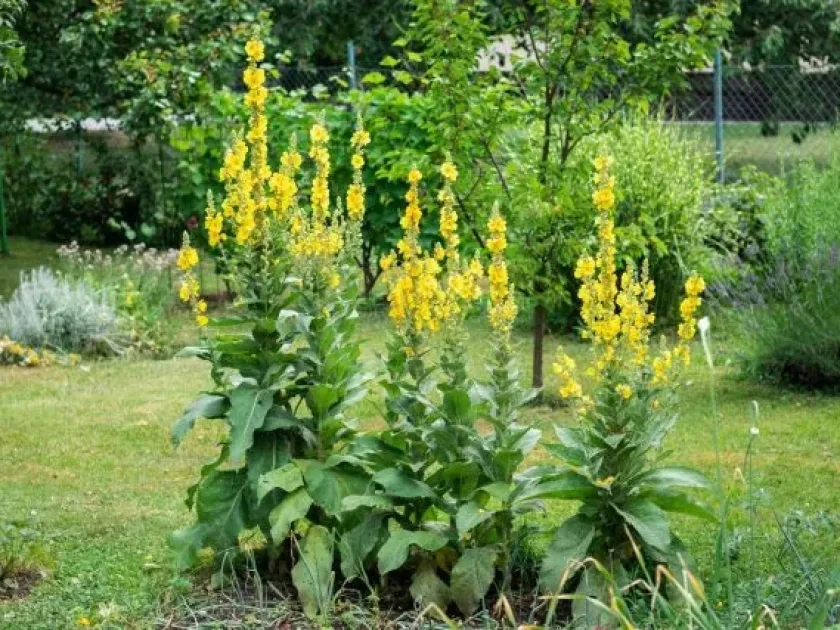
Description
Sowing dates
Sowing Verbascum hybrid seeds is best performed in early spring, typically between April and May, once the soil has warmed up. Autumn sowing in October is also an option, as the seeds benefit from cold stratification to ensure uniform germination in the following spring.
The seeds are exceptionally small, so they should be surface-sown and only lightly dusted with sand or fine compost. When thinning seedlings, keep a distance of 30 to 50 centimeters to ensure adequate airflow and prevent overcrowding between plants.
If starting indoors, use peat pots to minimize root disturbance, as Verbascum has a taproot that is highly sensitive to transplanting. Start seeds in trays in March and move them to their permanent garden location in late May.
Consistent moisture is required for germination, which usually occurs within two to three weeks. Providing a light, airy environment helps prevent damping-off disease in young seedlings during the initial development phase.
First-year plants focus on developing a basal rosette of large, velvety leaves. Sturdy flower spikes typically emerge in the second season, making consistent early-year care essential for establishing a robust plant structure for future blooms.
Growing requirements
Verbascum hybrid is a prominent member of the Scrophulariaceae family, valued for its drought tolerance and striking vertical habit. These plants are native to temperate regions and exhibit excellent resilience in various climatic conditions.
The ideal soil for Verbascum is light, gritty, and well-drained, including rocky or sandy types. They strictly avoid waterlogged conditions, as excess moisture in the root zone quickly leads to crown rot and poor overall plant health.
Full sun is a critical requirement for optimal growth and flowering. While they can tolerate light shade, exposure to direct sunlight ensures the flower spikes remain upright, sturdy, and vibrant throughout the summer blooming season.
Agricultural management is relatively low-maintenance, requiring water only during prolonged dry spells. A light application of balanced fertilizer in early spring is generally sufficient to encourage the development of tall, impressive flower stalks.
These hybrids are highly sought after for landscape design, particularly in borders, cottage gardens, and rockeries. They serve as excellent vertical accents that provide structural height and contrast when paired with lower-growing perennials or ornamental grasses.
Main diseases and pests
Verbascum hybrids are generally robust, but they can be susceptible to powdery mildew in conditions with poor air circulation or high humidity. Symptoms include a white, dust-like fungal growth appearing on the foliage, which can spread if left unaddressed.
In terms of pests, caterpillars and various weevils may occasionally feed on buds and leaves. Aphids can also be a minor issue, particularly in early spring, though they are rarely fatal to established, healthy specimens.
Sanitation is key to prevention; removing spent flower spikes not only improves the plant's aesthetic but also discourages the spread of mildew and prevents excessive self-seeding, which can overwhelm smaller garden spaces.
Chemical intervention should be considered a last resort. Maintaining appropriate spacing between plants and ensuring a weed-free environment is usually sufficient to minimize the risk of both fungal outbreaks and insect infestations.
Regular inspection of the basal leaves is advised, especially during damp periods. Early detection of pests allows for simple manual removal, preserving the plant's health and visual appeal without the need for intensive chemical sprays.