
Giant mullein
Verbascum giganteum
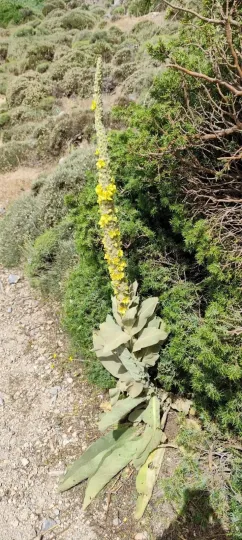
Description
Sowing dates
Giant mullein is typically propagated by seeds, which should be sown in the spring as soon as the soil temperatures reach a comfortable germination range.
For optimal results, seeds should be sown in well-tilled, friable soil, ensuring that the seedbed is free from major clumps and debris.
Given the small size of the seeds, they should be sown shallowly, with a covering of soil no thicker than 0.5 to 1 centimeter to ensure adequate light exposure.
Spacing between rows should be maintained at approximately 60–70 centimeters to provide enough room for the large basal leaf rosettes to expand properly.
Consistent moisture is crucial during the first two weeks of emergence, as the seedlings are delicate and vulnerable to desiccation before root establishment.
Growing requirements
Belonging to the Scrophulariaceae family, the Giant mullein thrives in full sun exposure, making it an excellent choice for open fields and sunny landscapes.
The plant is highly adaptable to various soil types but performs best in sandy loam soils that offer excellent drainage and neutral pH levels.
Its drought tolerance is exceptional, attributed to the dense pubescence covering its leaves, which reduces water loss through transpiration during hot days.
Temperature requirements are moderate, with the plant showing strong vigor during summer months while remaining hardy enough to withstand cool spring nights.
Regular weeding and soil aeration during the early stages of growth are essential to minimize competition and maximize nutrient uptake from the soil.
Main diseases and pests
The most common disease threat for Giant mullein is powdery mildew, particularly in environments with poor air circulation or high humidity levels.
Leaf spot pathogens can also affect the foliage, causing significant damage if weather conditions remain persistently damp over extended periods.
Pest pressures include caterpillars and various beetle species that feed on the soft leaf tissues, potentially reducing the photosynthetic capacity of the plants.
Aphid infestations are frequently observed on the emerging flower spikes, which requires early detection and potential intervention to protect the harvest.
Integrated pest management strategies, such as maintaining proper plant spacing and removing crop residues, are key to preventing large-scale outbreaks.
Harvesting
The harvest of Giant mullein involves collecting the flower spikes during the peak flowering stage to ensure the highest concentration of bioactive compounds.
It is vital to perform the harvest during dry weather, preferably in the morning after dew has evaporated, to prevent discoloration and rot during drying.
The harvested spikes should be dried in a well-ventilated, shaded area or a mechanical dryer at low temperatures to preserve the quality of the floral tissues.
Once dried, the product should be carefully processed, cleared of any debris, and stored in opaque, airtight containers to maintain its integrity.
Beyond its traditional uses, the plant is highly valued for its striking, architectural appearance in gardens and ornamental horticultural projects.