
Galilean mullein
Verbascum galilaeum
Description
Growing requirements
Galilean mullein (Verbascum galilaeum) is a herbaceous perennial plant belonging to the Scrophulariaceae family. It is native to the Eastern Mediterranean region, specifically the Galilee area, where it thrives in rocky and arid conditions.
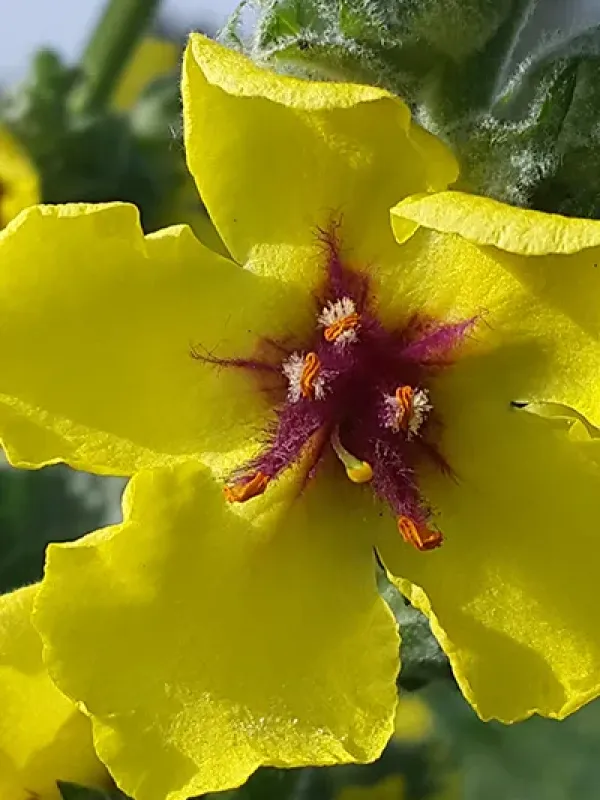
Botanically, the plant is characterized by its basal rosettes of leaves and tall, showy flower spikes. The leaves are typically covered in a fine tomentum (hairs), which serves as an adaptation to reduce transpiration and protect the plant from harsh UV radiation.
Regarding soil requirements, the species demands well-draining, gritty or sandy soils. It is highly intolerant of waterlogged conditions, which can lead to crown and root rot, especially during the dormant winter period in regions with significant rainfall.
The plant is exceptionally drought-tolerant once established. Cultivation in agricultural or garden settings requires full sun exposure; shade will typically lead to leggy growth and reduced flowering performance.
Economically, Verbascum galilaeum is valued both as an ornamental plant in xeriscaping and as a potential source for bioactive compounds. The plant genus has a long history of traditional medical use, primarily for respiratory ailments.
Main diseases and pests
The most common disease affecting Galilean mullein is powdery mildew, which manifests as a white, dusty fungal growth on the leaves. This usually occurs when the plants are grown in areas with poor airflow and high humidity.
Root rot caused by Phytophthora or Pythium species is a major threat when soil drainage is insufficient. This condition is often irreversible, making preventative measures the most effective management strategy.
Pests such as aphids can occasionally infest the flower stalks during the blooming season. These insects feed on plant sap and can weaken the plant, affecting seed production if left untreated.
Leaf-eating caterpillars, particularly those of the Cucullia moth, can cause significant cosmetic damage to the foliage. Monitoring during late spring is essential to prevent extensive damage to the plant structure.
Integrated pest management, including the use of neem oil or insecticidal soaps, is usually sufficient to handle minor infestations without harming the overall health of the plant.