
Gaillardot's mullein
Verbascum gaillardotii
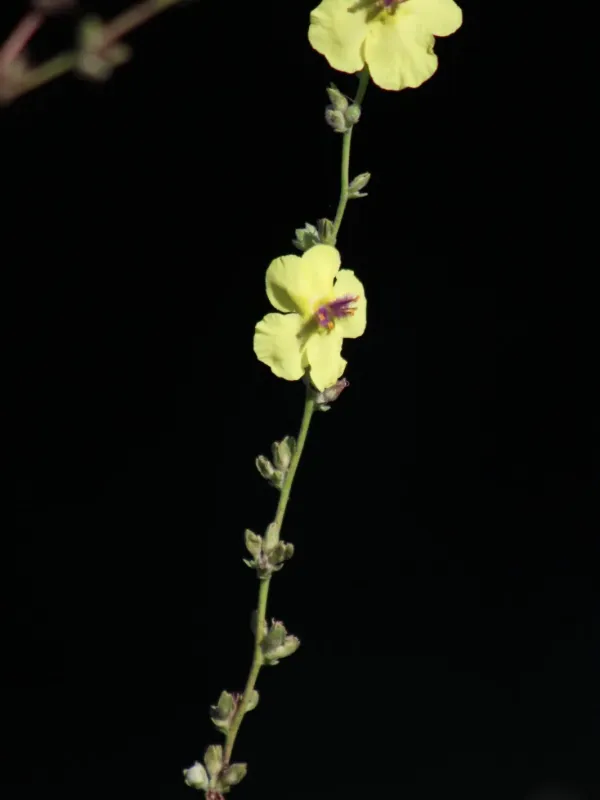
Description
Sowing dates
Sowing of Gaillardot's mullein is ideally performed in early spring once the soil temperature consistently reaches 10-12 degrees Celsius to ensure uniform germination.
Due to the small size of the seeds, they should be sown at a shallow depth of 1-2 centimeters, ensuring they receive sufficient light which is critical for the initial growth phase.
In large-scale farming, row planting with spacing of 45-60 centimeters is recommended to provide each plant with enough room for its vegetative rosette to flourish.
A seedling method may be applied in regions with late frost, allowing plants to be transplanted outdoors once conditions become favorable for continued active growth.
Consistent moisture levels must be maintained immediately following sowing to prevent the seeds from drying out, while avoiding waterlogging that could lead to seed decay.
Growing requirements
Gaillardot's mullein belongs to the Scrophulariaceae family and thrives in areas with full sun exposure, which is essential for its robust growth and development of large leaves.
The crop prefers light, well-drained soil textures such as sandy loams or loamy soils, with a neutral to slightly alkaline pH level to support optimal nutrient uptake.
This plant is naturally adapted to arid conditions, meaning it is highly drought-tolerant; however, it requires well-aerated soil to prevent root issues caused by stagnant water.
Regarding climate, the plant prefers warm conditions and exhibits moderate winter hardiness depending on the specific region and its stage of development.
Good agricultural practice requires regular inter-row cultivation and weeding, as the plant is susceptible to competition from fast-growing weeds during its seedling stage.
Main diseases and pests
Root rot is a primary concern for this crop, typically triggered by poor drainage or excessive irrigation, which damages the plant's taproot system significantly.
Powdery mildew may affect the foliage, particularly in humid or poorly ventilated conditions, appearing as a white fungal layer that hinders photosynthesis.
Pest issues often include larvae of certain moth species that consume leaves, potentially causing severe defoliation if left uncontrolled during the vegetative stage.
Aphid infestations are also a potential threat, as these insects feed on sap and can stunt the growth of young flower spikes and tender apical shoots.
Maintaining a clean field, utilizing balanced irrigation, and applying integrated pest management strategies are effective ways to mitigate the risk of these common threats.