
Rock figwort
Scrophularia rupestris
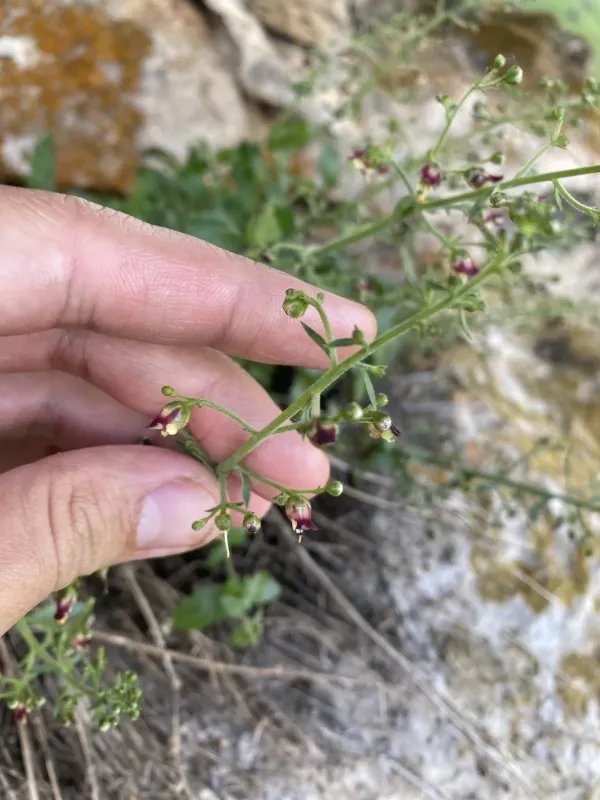
Description
Growing requirements
Rock figwort (Scrophularia rupestris) is a perennial herbaceous plant belonging to the Scrophulariaceae family. This species originates from rocky habitats and mountain slopes, demonstrating a unique adaptation to harsh, nutrient-poor, and high-drainage environments.
The cultivation of this plant requires specific soil conditions characterized by high permeability. Heavy or clay-rich soils are unsuitable as they promote root rot; instead, sandy, gravelly, or rocky substrates are preferred to replicate the plant's natural niche.
Regarding climatic requirements, rock figwort thrives in open, sun-exposed areas. It is highly resilient to temperature fluctuations and drought, making it a robust candidate for cultivation in arid or semi-arid climatic zones where other crops might fail.
Botanically, the plant features a deep-reaching root system, which allows it to stabilize on steep, unstable slopes. Its leaves are structurally adapted to minimize transpiration, enabling the plant to maintain metabolic processes even under intense solar radiation.
The agrotechnical management involves careful site selection and the removal of competing weeds during the establishment phase. Since the plant is slow-growing, professional monitoring during the first year is essential to ensure it establishes a strong foothold.
Main diseases and pests
The primary threat to the health of rock figwort is waterlogging, which inevitably leads to fungal infections of the root system. Proper drainage is the single most important factor for preventing total crop failure in agricultural systems.
Aphids are recognized as common pests, particularly affecting the tender young flower stalks. These insects can weaken the plant and reduce its aesthetic and medicinal value if not controlled during the early blooming period.
Fungal diseases like downy mildew may appear during humid seasons, especially if air circulation around the plants is insufficient. Maintaining adequate spacing between individual plants is a critical preventive measure for producers.
Root nematodes can cause significant damage in improperly prepared soils. Soil sterilization or crop rotation is recommended if the land has previously been used for other sensitive horticultural or medicinal crops.
In cases of infestation, integrated pest management is advised. The use of biological control agents is preferred over harsh chemicals, as the plant species is often sensitive to synthetic pesticides and herbicides.