
Pyrenean figwort
Scrophularia pyrenaica
Description
Growing requirements
Pyrenean figwort (Scrophularia pyrenaica) is a perennial herbaceous plant belonging to the Scrophulariaceae family. Native to the mountainous regions of the Pyrenees, this species has evolved to thrive in high-altitude environments with distinct temperature fluctuations.
The plant demands well-drained soil conditions to prevent root rot. It is best suited for stony or sandy loams that mimic its natural mountain habitat, ensuring excess water drains away quickly from the root zone during the winter dormant stage.
In terms of light, Pyrenean figwort flourishes in full sun to partial shade. Its physiological adaptation allows it to withstand intense sun exposure while maintaining foliage health, provided that the soil moisture levels are managed with basic irrigation during dry spells.
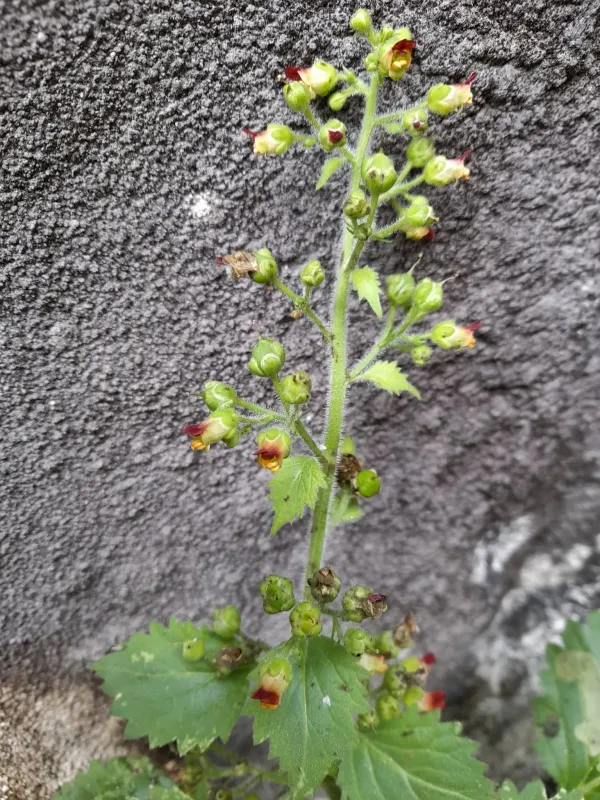
Botanically, the species is recognized by its compact growth habit and serrated, dark green leaves. The inflorescences emerge as clusters of small, distinct flowers, showcasing the classic morphological traits typical of the Scrophularia genus.
Agriculturally and horticulturally, this plant is used primarily for ornamental purposes. It is highly valued in rock gardening and alpine landscaping due to its resilience, compact size, and ability to remain aesthetic throughout the growing season.
Main diseases and pests
Root rot caused by fungal pathogens is the primary threat to the health of Pyrenean figwort. This condition almost exclusively arises in sites with poor drainage or during prolonged periods of heavy rainfall combined with waterlogged soil.
Powdery mildew may occur if the plant is grown in areas with stagnant air and high humidity. Improving spacing between plants and ensuring proper site selection helps to significantly reduce the risk of this fungal infection.
Aphids are common pests that colonize the tender shoots and flower buds of the plant. If left untreated, they can lead to stunted growth and reduced vigor, requiring timely interventions with appropriate pest management solutions.
Leaf-chewing insects and beetles can inflict damage on the foliage, impacting the plant's overall photosynthesis capability. Monitoring for early signs of infestation is a vital component of successful plant maintenance.
Slugs and snails are notable pests in wet climates, often grazing on fresh leaves. Gardeners should employ cultural controls, such as using coarse grit mulching or physical barriers, to protect the base of the plant from these mollusks.