
Lanceleaf figwort
Scrophularia lanceolata
Description
Growing requirements
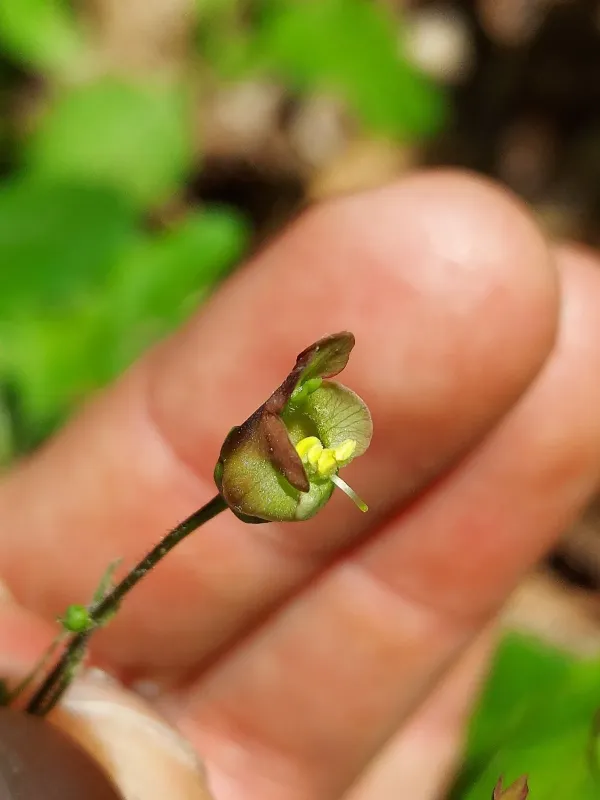
Lanceleaf figwort (Scrophularia lanceolata) is a robust perennial herb belonging to the Scrophulariaceae family. Originating from North America, this species is naturally adapted to diverse habitats including moist prairies, meadows, and forest edges.
The botanical structure of this plant features a distinctive square stem that can reach heights of up to 1.5 meters. The leaves are typically lance-shaped with finely serrated margins, which serve as the defining characteristic for this particular species.
Regarding soil requirements, Lanceleaf figwort thrives in fertile, well-drained loamy soils. It displays a strong preference for consistent moisture levels, though it possesses moderate drought tolerance once the root system is well-established.
The plant demonstrates excellent adaptability to various climatic conditions within the temperate zone. It is particularly well-suited for cultivation in open fields where sunlight exposure promotes faster growth rates and enhanced nectar production.
In terms of agricultural use, this plant is highly regarded for its value as a pollinator habitat. Its significant nectar production makes it a preferred choice for apiaries and conservation-oriented agricultural projects focused on biodiversity.
Main diseases and pests
Lanceleaf figwort is relatively resilient, but it can be susceptible to powdery mildew under conditions of high humidity and poor air circulation. This fungal disease creates a powdery residue that disrupts normal metabolic processes.
Insects such as aphids are common pests that may infest the plant during the vegetative phase. Their feeding activity can reduce the plant's vigor and negatively impact the overall yield of nectar.
Root rot represents a significant threat to the plant's health, particularly in soils with poor drainage. Over-saturation creates an anaerobic environment that favors the proliferation of destructive soil-borne fungi.
Effective management includes the implementation of a proper rotation strategy to prevent the buildup of pathogens. This practice helps maintain soil hygiene and promotes the long-term sustainability of the crop.
Integrated pest management (IPM) techniques are recommended to control population outbreaks. By maintaining optimal spacing between rows, growers can effectively reduce the humidity levels that facilitate both fungal growth and pest colonization.