
Scrophularia herminii
Scrophularia herminii
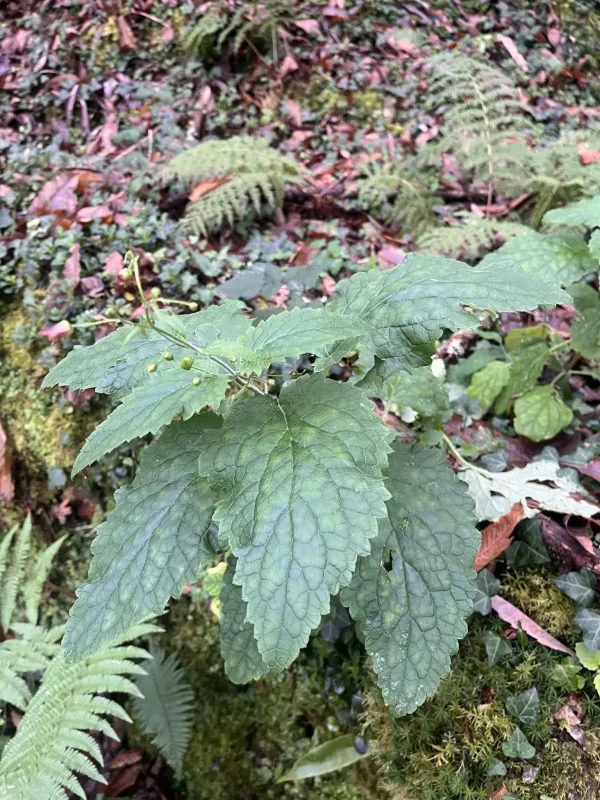
Description
Growing requirements
Scrophularia herminii belongs to the Scrophulariaceae family, commonly known as the figwort family. This perennial herbaceous plant is native to the Iberian Peninsula, where it typically thrives in humid environments and mountainous regions.
The crop requires a cool, temperate climate to reach its full development potential. It is particularly sensitive to moisture availability, preferring well-drained, nutrient-rich loamy soils with a neutral or slightly acidic pH balance.
Adequate soil drainage is essential for this plant, as waterlogging can cause rapid root decay. While the species benefits from sunlight, it requires light shade in warmer climates to prevent leaf scorching during the peak of the summer season.
Standard agrotechnical practices for this crop include maintaining soil aeration through regular hoeing. The application of organic fertilizers in the late autumn helps to enhance winter hardiness and ensures vigorous vegetative growth during the spring cycle.
Botanically, the plant features a robust taproot system and distinctive paniculate inflorescences. Its structural characteristics make it an interesting subject for both botanical research and specific agricultural applications in mountainous farming zones.
Main diseases and pests
Powdery mildew is considered one of the primary fungal threats to Scrophularia herminii, especially in conditions of high air humidity. Proper spacing between plants and regular ventilation are crucial for disease prevention.
Aphids represent the most significant pest challenge, often targeting tender new shoots during the active growth phase. Integrated pest management strategies, focusing on beneficial insects, are recommended to maintain plant health.
Root rot remains a frequent issue caused by excessive soil moisture and poor drainage. Monitoring soil hydration levels is critical, as the plant is highly susceptible to anaerobic conditions within the root zone.
Soil-borne nematodes can pose a threat to the plant's root system, leading to stunted growth and reduced overall productivity. Implementing crop rotation techniques is an effective way to mitigate the risk of these soil organisms.
Overall, Scrophularia herminii requires careful observation to maintain optimal health. Vigilance during wet periods and adherence to standard horticultural practices significantly reduce the risk of major pest and disease outbreaks.